








Pilocar Eye Drop
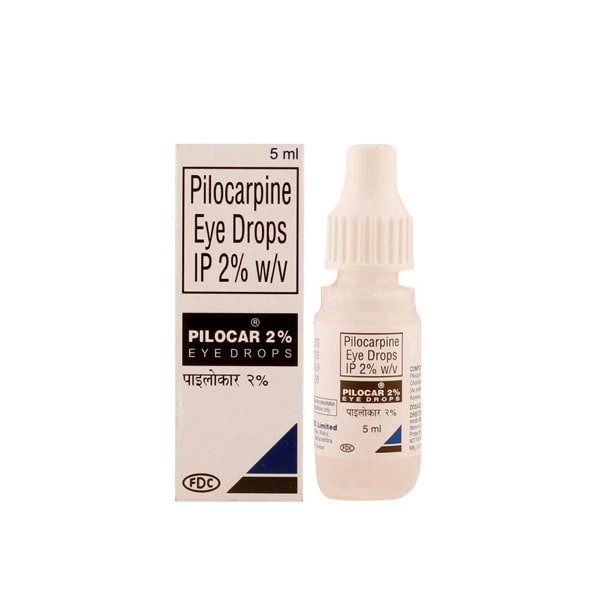
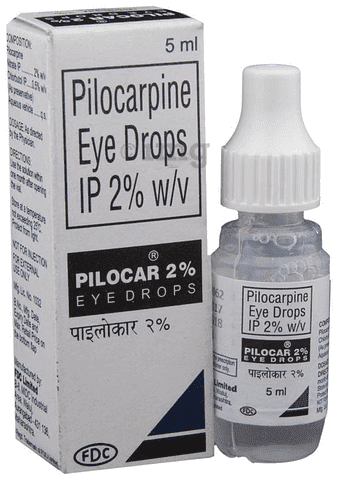

Pilocar (pilocarpine 1% / 2% / 4%) — cholinergische miotische oogdruppels. Spoedeisende behandeling van acuut glaucoom met gesloten kamerhoek en chronische IOP-regulatie. Voorzichtigheid bij hoogbijzienden vanwege risico op netvliesloslating.
✓ Medisch beoordeeld door Morgan Ellis — Apotheekonderzoeker · 8 jaar ervaring · Laatst beoordeeld: mei 2026
⚡ Kort Antwoord — Wat is Pilocar Oogdruppels?
Pilocar Oogdruppels bevat pilocarpine 2%, een cholinergische mioticum dat de oogdruk verlaagt door de pupil te vernauwen en de iris van het trabeculaire netwerk weg te trekken. Wordt gebruikt bij acuut glaucoom met gesloten kamerhoek, na iridotomie en zelden bij chronisch glaucoom. Veroorzaakt pupilvernauwing, voorhoofdspijn en wazig zicht.
📦 Elke bestelling is gedekt door onze Reshipment Assurance-beleid — als uw pakket niet binnen 20 werkdagen arriveert, sturen wij het opnieuw.
Waarom bestellen bij MedsBase
Pilocar Oogdruppels wordt geleverd door een WHO-GMP gecertificeerde fabrikant en wereldwijd verzonden in eenvoudige, discrete verpakking. Elke bestelling wordt gedekt door onze Reshipment Assurance-beleid — als het niet is aangekomen na 20 werkdagen, sturen wij het opnieuw zonder extra kosten. Ondersteund door meer dan 1.400 geverifieerde klantbeoordelingen.
Wat is Pilocar Oogdruppels?
Pilocar Oogdruppels wordt geproduceerd door Sunways en bevat pilocarpine HCl 2% als een steriele oogdruppeloplossing. Pilocarpine is een parasympathicomimetisch mioticum — het vernauwt de pupil en trekt de ciliaire spier samen, waardoor het trabeculaire netwerk opent en de afvoer van kamerwater toeneemt. Het was het eerste effectieve glaucoommedicijn (sinds de jaren 1870 in gebruik) maar is grotendeels vervangen door druppels met betere verdraagbaarheid. Het behoudt een cruciale rol bij acute aanvallen van gesloten kamerhoekglaucoom en na laseriridotomie.
Hoe het werkt
Pilocarpine activeert muscarine M3-receptoren op de irissfincter (waardoor de pupil vernauwt) en de ciliaire spier (waardoor deze samentrekt). De mechanische trek van de samentrekkende ciliaire spier opent de ruimtes van het trabeculaire netwerk, waardoor de conventionele afvoer van kamerwater toeneemt. Bij glaucoom met gesloten kamerhoek trekt de pupilvernauwing ook de perifere iris weg van het trabeculaire netwerk, waardoor de kamerhoeksluiting wordt opgeheven.
Indicaties
- Acuut glaucoom met gesloten kamerhoek: noodgebruik om de aanval te doorbreken terwijl definitieve laseriridotomie wordt geregeld
- Na iridotomie bij nauwe kamerhoekogen, voordat laser wordt uitgevoerd
- Diagnostische test voor Adie’s tonische pupil (lage dosis 0,1% — denervatie-overgevoeligheid)
- Chronisch openhoekglaucoom: zelden nu — alleen wanneer andere klassen falen en de patiënt de bijwerkingen verdraagt
- Off-label cosmetische miosis (presbyopiebeheer): lage-dosis 1,25% formuleringen zijn FDA-goedgekeurd (Vuity)
Dosering
| Indicatie | Dosering |
|---|---|
| Acuut glaucoomaanval | 1 druppel elke 5–10 minuten gedurende het eerste uur, daarna 1 druppel elke 1–4 uur. Pilocarpine werkt alleen wanneer ischemie van de iris door zeer hoge IOP eerst is opgeheven — dus initiële therapie omvat orale acetazolamide en een topische bètablokker. |
| Chronisch glaucoom | 1 druppel vier keer per dag (elke 6 uur) |
| Na laseriridotomie | 1 druppel op de dag van de procedure, kan worden voortgezet met 1–4× per dag als de hoek nog steeds nauw is |
Bijwerkingen
Visueel: wazig zicht (vernauwde pupil vermindert het licht dat het oog binnenkomt — uitgesproken 's nachts en binnenshuis), wenkbrauwpijn (ciliaire spasme — verdwijnt meestal na 2–4 weken continu gebruik), geïnduceerde bijziendheid (ciliaire contractie verandert de accommodatie), verminderd perifeer zicht.
Andere oculaire: conjunctivale hyperemie, tranenvloed, risico op netvliesloslating bij hoge bijziendheid (vitreous tractie door ciliaire contractie), folliculaire conjunctivitis bij chronisch gebruik.
Systemisch (zelden bij oogdruppels): zweten, speekselvloed, GI-krampen, bronchospasme.
Waarschuwingen & Contra-indicaties
- Acute uveïtis — pupilvernauwing kan de vorming van posterieure synechiae verergeren
- Hoge myopie, lattice degeneratie, eerdere netvliesscheur — relatief contra-indicatie, eerst uitgebreid netvliesonderzoek
- Ernstig astma of COPD — mogelijk bronchospasme
- Ernstige bradycardie, recent myocardinfarct
- Acute iritis
- Zwangerschap/borstvoeding — overleg met specialist
Opslag
Bewaren bij 15–25°C beschermd tegen licht. Na eerste opening 28 dagen houdbaar.
Veelgestelde vragen
Waarom is mijn zicht wazig met Pilocar oogdruppels?
Pilocarpine vernauwt de pupil, waardoor er minder licht het oog binnenkomt. Het effect is het meest merkbaar in schemer- of avondlicht. Dit is verwacht en omkeerbaar wanneer de druppels worden gestopt.
Wat is voorhoofdspijn?
Pilocarpine zorgt voor samentrekking van de ciliaire spier, wat uitstralende pijn in het voorhoofd veroorzaakt die aanvoelt als een spanningshoofdpijn. Het ongemak verdwijnt meestal na 2-4 weken continu gebruik, wanneer de spier zich heeft aangepast.
Mag ik autorijden na gebruik van Pilocar oogdruppels?
Vermijd autorijden totdat u weet hoe het uw zicht beïnvloedt, vooral 's nachts. Vernauwde pupillen maken nachtelijk rijden moeilijk - de meeste patiënten die chronisch pilocarpine gebruiken, kunnen niet in het donker rijden.
Wanneer wordt pilocarpine gebruikt in moderne glaucoombehandeling?
Acute aanval van gesloten kamerhoek als tijdelijke maatregel voor iridotomie; zeldzame chronische glaucoompatiënten die het verdragen; na iridotomie wanneer de kamerhoek nog nauw is; nieuwe lage-dosisformuleringen voor presbyopie (Vuity).
Is Pilocar oogdruppels veilig tijdens zwangerschap?
Vermijd tenzij een oogarts oordeelt dat het voordeel opweegt tegen het risico. Beperkte menselijke gegevens.
Wat is geïnduceerde bijziendheid?
Ciliaire samentrekking verschuift de accommodatie naar nabij zicht, waardoor veraf zicht wazig wordt. Het effect is meestal omkeerbaar.
Waarom lopen hoge bijzienden meer risico op netvliesloslating?
Hoogbijziende ogen hebben een dunnere perifere retina met meer lattice degeneratie. Ciliaire samentrekking brengt kracht over naar de vitreous base, die aan verzwakt netvlies kan trekken en een scheur kan veroorzaken. Laat een uitgebreid retinaonderzoek doen voordat u begint als u hoogbijziend bent.
Kan ik Pilocar oogdruppels gebruiken met andere glaucoomdruppels?
Ja - pilocarpine is additief met alle andere klassen. Wacht 5 minuten tussen flesjes.
Wat is acuut gesloten kamerhoek glaucoom?
Een medisch noodgeval waarbij de iris plotseling de afvoer van kamerwater in de hoek blokkeert, waardoor de intraoculaire druk (IOP) stijgt tot 50–80 mmHg. Symptomen zijn onder meer ernstige oogpijn, wazig zien, lichtkringen, misselijkheid en een gefixeerde middelmatig verwijdde pupil. Vereist dezelfde dag nog een oogheelkundig onderzoek en laseriridotomie.
Wat als ik een dosis vergeet?
Voor chronisch gebruik: neem het in zodra u het zich herinnert, tenzij de volgende dosis bijna aan de beurt is. Voor het beheer van acute aanvallen, volg de specifieke instructies van uw oogarts.
Andere oogzorgmedicijnen
Klanten die dit product bekijken, overwegen ook deze alternatieven in ons Oogzorg assortiment:
- Xalatan Eye Drop (latanoprost)
- Azopt Eye Drops (brinzolamide)
- Alphagan P Drop (brimonidine)
- Iotim Oogdruppels (timolol)
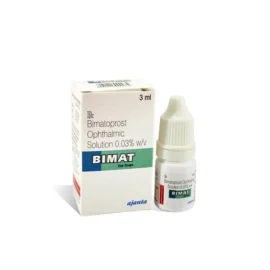
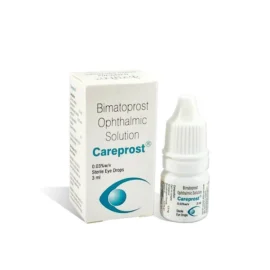
- Careprost (bimatoprost)
Medische Disclaimer
De informatie op deze pagina is alleen voor educatieve doeleinden en is geen vervanging voor medisch advies van een gekwalificeerde oogarts of optometrist. Oogaandoeningen kunnen snel een bedreiging vormen voor het gezichtsvermogen — plotseling verlies van gezichtsvermogen, hevige pijn of trauma is een oogheelkundig spoedgeval. Raadpleeg altijd een oogzorgprofessional voordat u een behandeling start, stopt of wijzigt.
Meer opties in oogzorg
Gerangschikt op recente bestelvolumes van MedsBase — wat andere klanten in deze categorie kiezen.


| Sterkte | 2% (5 ml) Oogdruppels |
|---|---|
| Hoeveelheid | 1 Fles/s, 3 Flessen/s, 6 Flessen/s |
| Farmaceutische vorm | Oogdruppel/s |
| Fabrikant | Glaucoom |
| Behandeling | Oogzorg |
| Generiek merk | Pilocarpine |
 Pilocar Eye Drop
Vragen & antwoorden
Pilocar Eye Drop
Gerelateerde producten

















Beoordelingen
Er zijn nog geen beoordelingen