







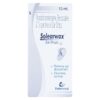

Bacloheal

✅ Verlicht spierspasmen
✅ Vermindert spierstijfheid
✅ Verbetert spierflexibiliteit
✅ Verbetert de spierbeweging
✅ Draagt bij aan spierontspanning
Bacloheal bevat Baclofen.
✓ Medisch beoordeeld door Morgan Ellis — Apotheekonderzoeker · 8 jaar ervaring · Laatst beoordeeld: mei 2026
⚡ Kort antwoord — Wat is Bacloheal?
Bacloheal is een oraal baclofen (10 mg) tablet — een GABAB receptoragonist gebruikt voor de behandeling van spasticiteit geassocieerd met multiple sclerose (MS), ruggenmergletsel, cerebrale parese, en andere bovenste motorneuron aandoeningen. Het vermindert de spierspanning en spasme frequentie door remming van exciterende neurotransmissie op het spinale niveau. Startdosis: 5 mg driemaal daags, elke 3 dagen opgetitreerd tot een gebruikelijke onderhoudsdosis van 40–80 mg/dag (maximaal 80 mg/dag in verdeelde doses). Veelvoorkomende bijwerkingen: slaperigheid, duizeligheid, zwakte, misselijkheid. Nooit abrupt stoppen — abrupt stoppen kan hallucinaties, epileptische aanvallen en levensbedreigende autonome instabiliteit veroorzaken.
📦 Elke bestelling is gedekt door onze Reshipment Assurance-beleid — als uw pakket niet binnen 20 werkdagen arriveert, sturen wij het opnieuw.
Waarom bestellen bij MedsBase
Onze generieke medicijnen zijn afkomstig van WHO-GMP gecertificeerde fabrikanten en worden wereldwijd verzonden in discrete, eenvoudige verpakkingen — geen medicijnnaam op de buitenkant van het pakket. Betalingen met kaart worden verwerkt via een gereguleerde processor (betalingsoverzichten vermelden een gereguleerde kaartbetalingprocessor — nooit “MedsBase” of een medicijnnaam). Crypto en SEPA bankoverschrijvingen worden ook geaccepteerd. Elke bestelling wordt ondersteund door ons Reshipment Assurance Policy.
Wat Is Bacloheal?
Bacloheal is een orale tablet met baclofen 10 mg, geproduceerd door Healing Pharma. Baclofen wordt sinds de jaren 70 klinisch gebruikt en blijft WHO Model-lijst van essentiële geneesmiddelen als eerstelijns antispasticum. Bacloheal is bio-equivalent aan het originele merk Lioresal (Novartis).
In tegenstelling tot benzodiazepines, die breed inwerken op GABAA receptoren in de hersenen, is baclofen selectief voor GABAB receptoren in het ruggenmerg — wat betekent dat het spasticiteit bij de bron vermindert met minder cognitieve beperkingen, minder misbruikpotentieel en geen beperkingen als gecontroleerde stof.
Hoe Werkt Bacloheal (Baclofen)?
Baclofen is een structureel analoog van de remmende neurotransmitter GABA (gamma-aminoboterzuur). Het activeert selectief GABAB receptoren op presynaptische uiteinden in het ruggenmerg, wat de afgifte van exciterende neurotransmitters (glutamaat, aspartaat) vermindert. Dit vermindert zowel mono- als polysynaptische reflexoverdracht, waardoor de spierspanning afneemt zonder vrijwillige beweging te elimineren.
In tegenstelling tot benzodiazepines (die inwerken op GABAA), veroorzaakt baclofen geen significante anxiolytische of anticonvulsieve effecten bij therapeutische doses voor spasticiteit — de werking is voornamelijk spinal in plaats van supraspinaal.
Indicaties
- Multiple sclerose — vermindert flexor- en extensor spasmen, clonus en pijnlijke spierstijfheid
- Ruggenmergletsel/aandoening — traumatisch, inflammatoir, degeneratief of neoplastisch
- Cerebrale parese (met name bij adolescenten en volwassenen)
- Spasticiteit gerelateerd aan een beroerte (off-label, als aanvulling)
- Trigeminusneuralgie (off-label — tweedelijns na carbamazepine)
- Alcoholontwenning/hunkering (off-label — toenemend bewijs, goedgekeurd in Frankrijk)
Dosering en toediening
| Fase | Dosering | Schema |
|---|---|---|
| Dag 1–3 | 5 mg | Drie keer per dag |
| Dag 4–6 | 10 mg | Drie keer per dag |
| Dagen 7–9 | 15 mg | Drie keer per dag |
| Dagen 10+ | 20 mg | Drie keer per dag |
| Maximum | 80 mg/dag | Verdeeld over 3–4 doses |
Innemen met voedsel om maag-darmbijwerkingen te verminderen. Gebruik de laagst effectieve dosis. Bij nierfunctiestoornissen, dosis verlagen — baclofen wordt ~70–85% renaal uitgescheiden.
Bijwerkingen
Vaak (≥10%): slaperigheid, duizeligheid, zwakte/vermoeidheid, misselijkheid, hoofdpijn, obstipatie.
Minder vaak: verwardheid, vaak plassen/urineretentie, slapeloosheid, hypotensie, droge mond.
Ernstig: ademhalingsdepressie (overdosis of nierfunctiestoornis), toevallen (bij abrupt stoppen), hallucinaties, autonome dysreflexie (bij patiënten met ruggenmergletsel).
Waarschuwingen en voorzorgsmaatregelen
- Abrupt stoppen is gevaarlijk. Plotseling stoppen na langdurig gebruik (zelfs 2–4 weken) kan hallucinaties, toevallen, hoge koorts, psychose en rabdomyolyse veroorzaken — een syndroom dat lijkt op maligne neuroleptisch syndroom. Bouw af over minimaal 1–2 weken (verlaag met 5–10 mg elke 3–5 dagen).
- Nierfunctiestoornis. Baclofen wordt voor 70–85% via de nieren uitgescheiden. Bij een CrCl <30 mL/min kan ophoping leiden tot overmatige sedatie, ademhalingsdepressie en coma. Pas de dosis aan en monitor nauwlettend. Sommige richtlijnen contra-indiceren oraal baclofen bij een eGFR <15.
- Oudere volwassenen. Het valrisico neemt toe door sedatie en spierzwakte. Start met 5 mg een- of tweemaal daags en titreer zeer langzaam.
- Autonome dysreflexie. Bij patiënten met een ruggenmergletsel boven T6 kunnen dosisaanpassingen van baclofen autonome dysreflexie veroorzaken. Titreer onder specialistisch toezicht.
- Epilepsie. Baclofen verlaagt de drempel voor aanvallen bij hoge doses. Wees voorzichtig bij patiënten met een voorgeschiedenis van aanvallen.
- Zwangerschap & borstvoeding. Beperkte gegevens. Dierstudies tonen skeletafwijkingen bij hoge doses. Gebruik alleen indien duidelijk nodig. Baclofen wordt uitgescheiden in moedermelk — monitor de zuigeling op sedatie.
- Rijden en machines. Baclofen veroorzaakt slaperigheid en vertraagde reacties, vooral tijdens titratie. Rijd niet totdat u weet hoe het u beïnvloedt.
- Interacties met CNS-depressiva. Additieve sedatie met opioïden, benzodiazepinen, alcohol, antihistaminica en antipsychotica. Risico op fatale respiratoire depressie met opioïden.
Contra-indicaties — Wie mag Bacloheal NIET gebruiken
- Bekende overgevoeligheid voor baclofen of een hulpstof
- Actieve maagzweer (baclofen stimuleert maagzuursecretie)
- Porfyrie
- Ernstige nierfunctiestoornis zonder doseringsaanpassing en monitoring
Geneesmiddelinteracties
- CNS-depressiva (opioïden, benzodiazepinen, alcohol): Additieve sedatie en respiratoire depressie
- Antihypertensiva: Additieve hypotensie — bloeddruk monitoren
- Tricyclische antidepressiva: Kan door baclofen geïnduceerde spierhypotonie versterken
- Levodopa/carbidopa: Verwarring en hallucinaties gemeld bij gelijktijdig gebruik bij Parkinsonpatiënten
- NSAID's (ibuprofen, naproxen): Kan de renale klaring van baclofen verminderen — monitor op toxiciteit
Bewaaradvies
- Bewaren bij kamertemperatuur, 15–30°C. Beschermen tegen vocht en licht.
- Bewaren in de originele blisterverpakking tot gebruik.
- Niet in de badkamer bewaren — vocht tast de tablet aan.
- Buiten bereik van kinderen houden — een overdosis baclofen veroorzaakt diepe sedatie en ademhalingsdepressie.
- Niet gebruiken na de vervaldatum die op de blister staat vermeld.
Gerelateerde categorieën op MedsBase
- Bekijk alle neurologische & epilepsiemedicijnen
- Pijnstillers bekijken
- Bekijk medicijnen voor geestelijke gezondheid & psychiatrie
Veelgestelde vragen
Waar wordt Bacloheal voor gebruikt?
Bacloheal bevat baclofen 10 mg, een spierverslapper die wordt gebruikt om spasticiteit (spierstijfheid en spasmen) te verminderen bij aandoeningen zoals multiple sclerose, ruggenmergletsel, cerebrale parese en beroerte.
Hoe snel werkt baclofen bij spasticiteit?
Enige verlichting kan worden opgemerkt binnen 3–5 dagen na het bereiken van een therapeutische dosis. Het volledige effect duurt meestal 1–4 weken van geleidelijke titratie. Het doel is niet om alle tonus te elimineren (enige tonus is nodig voor houding en transfers), maar om pijnlijke spasmen te verminderen en de functie te verbeteren.
Wat gebeurt er als ik plotseling stop met baclofen?
Plotselinge stopzetting na langdurig gebruik kan veroorzaken hallucinaties, epileptische aanvallen, hoge koorts, verwardheid en rebound spasticiteit — een potentieel levensbedreigend syndroom dat lijkt op het maligne neuroleptica syndroom. Bouw altijd geleidelijk af over 1–2 weken.
Mag ik alcohol drinken tijdens het gebruik van Bacloheal?
Vermijd alcohol. Zowel baclofen als alcohol zijn CNS-depressiva — combinatie versterkt slaperigheid, duizeligheid, verminderde coördinatie en het risico op ademhalingsdepressie.
Is baclofen hetzelfde als een benzodiazepine?
Nee. Baclofen werkt in op GABAB receptoren (voornamelijk in het ruggenmerg), terwijl benzodiazepinen werken op GABAA receptoren (voornamelijk supraspinaal). Baclofen is geen gereguleerde stof, heeft een minimaal misbruikpotentieel in vergelijking met benzodiazepinen en veroorzaakt niet dezelfde anxiolytische of euforische effecten.
Is Bacloheal hetzelfde als Lioresal?
Beide bevatten baclofen. Lioresal is het originele merk. Bacloheal is een bio-equivalent generiek middel tegen lagere kosten.
Kan baclofen worden gebruikt voor rugpijn?
Baclofen wordt soms off-label voorgeschreven voor acute lage rugpijn met spierspasmen, hoewel het bewijs beperkt is in vergelijking met zijn bewezen rol bij neurologische spasticiteit. Het is geen eerstelijns pijnstiller voor mechanische rugpijn.
Veroorzaakt baclofen gewichtstoename?
Gewichtstoename is geen veelvoorkomende bijwerking bij therapeutische doses voor spasticiteit. Verminderde fysieke activiteit door sedatie kan echter na verloop van tijd bijdragen aan gewichtsverandering.
Wat is het verschil tussen orale en intrathecale baclofen?
Intrathecale baclofen wordt direct in het ruggenmergvocht toegediend via een geïmplanteerde pomp — gebruikt wanneer orale baclofen niet effectief is of onaanvaardbare sedatie veroorzaakt. Intrathecale doses zijn 100–1.000 keer kleiner dan orale doses, met minder systemische bijwerkingen.
Mag ik autorijden terwijl ik Bacloheal gebruik?
Baclofen veroorzaakt slaperigheid en vertraagde reacties, vooral tijdens de titratiefase. Rijd niet of bedien geen zwaar materieel totdat u weet hoe het medicijn op u werkt. Sedatie verbetert vaak na de eerste 1-2 weken bij een stabiele dosering.
Is baclofen veilig bij nierziekte?
Baclofen wordt voornamelijk via de nieren uitgescheiden. Bij matige tot ernstige nierinsufficiëntie, kan ophoping toxiciteit veroorzaken (overmatige sedatie, ademhalingsdepressie, coma). Dosisverlaging en nauwlettende monitoring zijn essentieel. Sommige richtlijnen raden aan om orale baclofen te vermijden bij een eGFR <15 ml/min.
Patiënten die baclofen gebruiken en last hebben van hinderlijke slaperigheid of die de GABA-B bijwerkingen niet verdragen, kunnen baat hebben bij Synaptol (tolperisone 150 mg) — een niet-sederend spierontspannend middel dat natriumkanalen moduleert met een veel milder CNS-profiel.
Zie ook: Gabasign 300 / 600 mg — Cipla’s generieke gabapentine — hetzelfde door de FDA goedgekeurde molecuul, volledig doseringsbereik van 300 mg starter tot 600 mg onderhoud.
Zie ook: Synaptol 150 mg — tolperison-alternatief wanneer sedatie door cyclobenzaprine onaanvaardbaar is — centraal werkend zonder H1-antihistaminicum slaperigheid.
Gerelateerde alternatieven
Andere producten in Chronische aandoeningen die klanten ook bekijken:
Meer opties in neurologische aandoeningen en epilepsie
Gerangschikt op recente bestelvolumes van MedsBase — wat andere klanten in deze categorie kiezen.

| Sterkte | 10 mg |
|---|---|
| Hoeveelheid | 30 Tabletten, 60 Tabletten, 90 Tabletten, 180 Tabletten |
 Bacloheal
Vragen & antwoorden
Bacloheal
Gerelateerde producten






Beoordelingen
Er zijn nog geen beoordelingen