








Nalsign

✅ Behandelt alcoholverslaving
✅ Vermindert de craving naar opioïden
✅ Blokkeert de effecten van opioïden
✅ Ondersteunt soberheid
✅ Vermindert ontwenningsverschijnselen
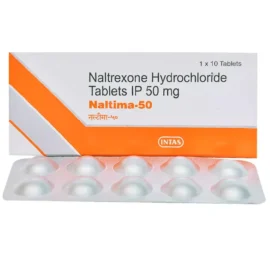
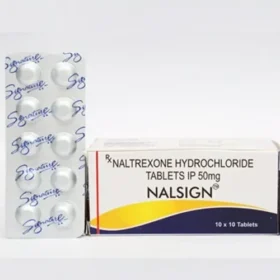
Nalsign bevat Naltrexone.
✓ Medisch beoordeeld door Morgan Ellis — Apotheekonderzoeker · 8 jaar ervaring · Laatst beoordeeld: mei 2026
⚡ Kort antwoord — Nalsign — naltrexon 50 mg voor alcohol- of opioïdengebruiksstoornis
Nalsign is naltrexon 50 mg, een langwerkende μ-opioïdereceptorantagonist. In alcoholstoornis vermindert het het belonende effect van drinken; bij opioïdenstoornis blokkeert het het effect van ingenomen opioïden. U moet 7–10 dagen opioïdenvrij zijn voordat u start voor OUD, anders veroorzaakt het ontwenningsverschijnselen. Een eenmaal daagse orale kuur van 50 mg is gebruikelijk, vaak in combinatie met counseling en medisch management.
📦 Elke bestelling is gedekt door onze Reshipment Assurance-beleid — als uw pakket niet binnen 20 werkdagen arriveert, sturen wij het opnieuw.
Waarom bestellen bij MedsBase
Onze generieke medicijnen zijn afkomstig van WHO-GMP gecertificeerde fabrikanten en worden wereldwijd verzonden in discrete, eenvoudige verpakkingen — geen medicijnnaam op de buitenkant van het pakket. Betalingen met kaart worden verwerkt via een gereguleerde processor (betalingsoverzichten vermelden een gereguleerde kaartbetalingprocessor — nooit “MedsBase” of een medicijnnaam). Crypto en SEPA bankoverschrijvingen worden ook geaccepteerd. Elke bestelling wordt ondersteund door ons Reshipment Assurance Policy.
Wat is Nalsign?
Nalsign is een medicijn dat bevat naltrexone hydrochloride 50 mg (tabletten), geleverd door een WHO-GMP gecertificeerde fabrikant. Naltrexon is een langwerkende, oraal actieve opioïdereceptorantagonist met een hoge affiniteit voor μ-receptoren (en gedeeltelijke activiteit bij κ- en δ-receptoren). Het is een van de twee eerstelijns orale farmacotherapieën (naast acamprosaat) voor alcoholgebruiksstoornis volgens moderne richtlijnen, en een niet-gecontroleerd alternatief voor opioïdenagonisttherapie bij opioïdengebruiksstoornis.
Hoe naltrexon werkt
Bij alcoholstoornis: alcohol-geïnduceerde dopamineafgifte in de nucleus accumbens is deels opioïd-gemedieerd; het blokkeren van μ-receptoren met naltrexon verzwakt dat beloningssignaal. Patiënten beschrijven drinken als “minder bevredigend” in plaats van afstotend — belangrijk is dat naltrexon geen disulfiram-achtige reactie veroorzaakt, dus het is veilig als de patiënt een terugval heeft. De COMBINE-studie (2006) bevestigde de effectiviteit van naltrexon, vooral in combinatie met medisch management.
Bij opioïdstoornis: naltrexon bezet μ-receptoren met zo'n hoge affiniteit dat later opioïdgebruik geen euforie veroorzaakt. Het afschrikeffect is totaal — injectie van heroïne tijdens naltrexongebruik is in feite een verspilde dosis. Dit maakt therapietrouw het hele probleem: een patiënt die twee dagen naltrexon overslaat, heeft een duidelijk terugvalrisico, en het terugvalrisico na stoppen is hoog omdat er geen agonistisch effect is om op terug te vallen.
Hoe Nalsign wordt gebruikt
De standaard volwassen dosis voor beide indicaties is 50 mg eenmaal daags:
| Indicatie | Standaardregime | Opmerkingen |
|---|---|---|
| Alcoholstoornis | 50 mg eenmaal daags | Kan worden gestart terwijl men nog drinkt; stoppen is niet vereist voor de eerste dosis |
| Opioïdstoornis | 50 mg eenmaal daags | Moet 7–10 dagen opiaatvrij zijn (14 dagen voor methadon); naloxon-challengetest bevestigt |
| Gericht gebruik (geselecteerde AUD-patiënten) | 50 mg 1–2 uur voor drinkgelegenheden | Sinclair-methode; nuttig bij patiënten die gecontroleerd drinken nastreven in plaats van onthouding |
| Driemaal per week schema (geselecteerde patiënten) | 100 mg ma, 100 mg wo, 150 mg vr | Verbetert de naleving van geobserveerde dosering bij OUD |
Innemen met of zonder voedsel. Als een dosis wordt vergeten, neem deze dan zo snel mogelijk in, maar sla deze over als het bijna tijd is voor de volgende – verdubbel de dosis niet. De behandelingsduur is minimaal 3 maanden, vaak 6–12 maanden in AUD en langer bij OUD; het terugvalrisico is het hoogst in de eerste 90 dagen na het stoppen.
Bijwerkingen
- Misselijkheid (meest voorkomend, ~10–15%, verdwijnt binnen 1–2 weken; innemen na de maaltijd)
- Hoofdpijn, duizeligheid
- Slapeloosheid, angst, somberheid, anhedonie (incidenteel — sommige patiënten beschrijven een afvlakking van plezier die verdwijnt na het stoppen)
- Vermoeidheid, slaperigheid
- Buikpijn, diarree of obstipatie
- Hepatotoxiciteit — de oorspronkelijke FDA black-box waarschuwing was gebaseerd op leverschade bij obese patiënten die 300 mg/dag gebruikten voor niet-AUD indicaties. Bij 50 mg/dag is het signaal veel zwakker. Baseline leverfunctietesten en hercontrole na 6 en 12 weken en daarna driemaandelijks is redelijk.
- Injectieplaatsreacties bij gebruik van extended-release IM formuleringen (niet van toepassing op dit orale product)
Kritieke veiligheid: chirurgische en spoedeisende pijnbestrijding
Geneesmiddelinteracties
| Geneesmiddel / klasse | Effect | Actie |
|---|---|---|
| Opioïde analgetica (codeïne, tramadol, morfine, oxycodon, fentanyl, etc.) | Analgesie geblokkeerd; hoge doseringspogingen riskeren ademhalingsdepressie na uitwerking blokkade | Gebruik waar mogelijk niet-opioïde pijnstilling; informeer elke voorschrijver |
| Opioïde agonist OUD-therapie (methadon, buprenorfine) | Uitgelokte onthoudingsverschijnselen | Kan niet samen worden voorgeschreven; kies één strategie |
| Antidiarrheica (loperamide, difenoxylaat) | Verminderd effect | Gebruik bismut of niet-opioïde alternatieven |
| Antitussiva (dextromethorfan, codeïne hoestsiropen) | Verminderd effect | Honing, simpele hoestsiroop, guaifenesine-alternatieven |
| Disulfiram | Theoretische hepatotoxiciteitsstapeling; combinatie wordt soms gebruikt bij AUD met extra LFT-monitoring | Specialistenbeslissing |
| Thioridazine | Lethargie en slaperigheid | Vermijd combinatie |
| Yohimbine | Kan paniek veroorzaken bij kwetsbare patiënten | Vermijden |
Contra-indicaties en speciale populaties
- Acuut opioïdengebruik, opioïdenafhankelijkheid die nog niet is ontgift (kan ontwenningsverschijnselen veroorzaken)
- Acute hepatitis of leverfalen
- Overgevoeligheid voor naltrexon
- Zwangerschap: Dierstudies tonen enige teratogeniciteit; weeg voortgezette opioïde agonisme versus naltrexon individueel af met een specialist
- Borstvoeding: Uitscheiding in moedermelk is gering; weeg voordeel-risico individueel af
- Ernstige nierinsufficiëntie: beperkte gegevens; gebruik voorzichtig
Realistische verwachtingen
Voor AUD vermindert naltrexon het aantal drinkdagen, zware drinkdagen en craving met ongeveer 10–25% ten opzichte van placebo na 12 weken — nuttig, maar niet transformerend op zichzelf. Patiënten met een sterkere familiegeschiedenis van alcoholisme (het OPRM1 A118G polymorfisme) en degenen die een sterke “roes” ervaren van drinken, kunnen beter reageren. Het combineren van naltrexon met gestructureerd medisch management of gedragstherapie verdubbelt ongeveer het voordeel. Voor OUD hangt de effectiviteit van naltrexon bijna volledig af van therapietrouw; gemiste doses betekenen gemiste bescherming. Langwerkende injecteerbare formuleringen (IM met verlengde afgifte) bestaan juist om dit therapietrouwprobleem op te lossen en kunnen voor sommige patiënten een betere keuze zijn voor OUD dan orale therapie — dit product is de orale vorm.
Opslag
Bewaren bij kamertemperatuur (15–30 °C / 59–86 °F), in de originele blister, uit direct licht en vocht. Buiten bereik van kinderen houden — inname door een huisgenoot die opioïden gebruikt, kan ontwenningsverschijnselen veroorzaken.
Veelgestelde vragen
Waarom moet ik eerst 7–10 dagen opiaatvrij zijn?
Naltrexon verdringt opiaten van μ-receptoren met een veel hogere affiniteit dan waarmee ze binden. Als opiaten nog receptoren bezetten, veroorzaakt die verdringing direct het volledige onthoudingssyndroom — zweten, braken, ernstige spierpijn, agitatie — soms met ziekenhuisopname tot gevolg. De 7–10 dagen regel (14 voor methadon, langer voor gereguleerde afgifte van oxycodon) zorgt ervoor dat de receptoren vrij zijn.
Wat is een naloxon challenge?
Voor de eerste naltrexondosis kan de voorschrijver een kleine naloxontestdosis geven (intranasaal of subcutaan). Naloxon werkt kort; als de patiënt opiaatvrij is, gebeurt er niets. Als er nog opiaten aanwezig zijn, ervaart de patiënt milde onthoudingsverschijnselen die binnen 30–60 minuten verdwijnen — veel veiliger dan hetzelfde effect uitlokken met een volledige naltrexondosis die 24 uur werkt.
Mag ik drinken tijdens het gebruik voor AUD?
Ja, technisch gezien — dat is het doel. Naltrexon veroorzaakt geen disulfiramreactie; het maakt drinken minder belonend. De Sinclair-methode gebruikt naltrexon expliciet voor drinkmomenten om de bekrachtiging van alcohol over weken tot maanden uit te doven. Voor traditioneel abstinentiegericht gebruik is het doel nog steeds om te stoppen met drinken; naltrexon vermindert trek en terugvalprogressie in plaats van als afschrikmiddel te werken.
Zal het me plezier in alles ontnemen?
Sommige patiënten ervaren milde anhedonie (verminderd plezier van eten, seks, beweging) door naltrexon, vermoedelijk omdat het endogene opioïdesysteem een klein deel van normale beloning medieert. Het is meestal mild en keert terug bij stoppen. Ernstige, aanhoudende anhedonie is een reden om te stoppen.
Kan ik het combineren met disulfiram?
Ja, bij sommige AUD-patiënten die niet op één van beide alleen reageren, wordt combinatietherapie gebruikt — naltrexon voor trek, disulfiram voor afschrikking. Beiden hebben hepatotoxiciteit als risico, dus LFT-monitoring moet frequenter gebeuren. Dit is een beslissing op specialistenniveau, niet routine.
Wat als ik dringend een operatie nodig heb?
Vertel het chirurgisch en anesthesieteam dat u naltrexon gebruikt. Zij zullen waar mogelijk een niet-opioïde pijnstrategie plannen. Bij echte noodsituaties waar opiaten onvermijdelijk zijn, worden soms veel hogere dan gebruikelijke doses onder monitoring gebruikt, maar de postoperatieve periode vereist zorgvuldige observatie naarmate de receptorblokkade afneemt. Draag een medische waarschuwingskaart.
Hoe lang duurt het voordat het trek vermindert?
De meeste AUD-patiënten merken binnen 7–14 dagen een vermindering van trek en “voldoening van drinken”. Volledig effect op zwaar-drinkdagen ontwikkelt zich over 4–12 weken. Als er na 12 weken geen merkbaar voordeel is, kan de voorschrijver overschakelen op acamprosaat of topiramaat.
Moet ik in counseling?
Farmacotherapie zonder gedragsondersteuning is minder effectief. De sterkste resultaten van de COMBINE-studie kwamen van naltrexon plus medisch management (gestructureerde bezoeken van 20 minuten aan een clinicus gericht op de AUD). Minimaal verhogen regelmatige evaluaties en betrokkenheid bij een peer-supportformaat (AA, SMART Recovery) de effectiviteit aanzienlijk.
Is de depot-injectie anders?
Ja — de langwerkende intramusculaire injectie (Vivitrol, maandelijks) omzeilt het probleem van dagelijkse therapietrouw en wordt steeds vaker voorkeur gegeven voor OUD waar therapietrouw de resultaten bepaalt. Nalsign is de orale vorm, die flexibeler is en in veel gevallen beter geschikt is voor AUD.
Hoe lang blijf ik het gebruiken?
Voor AUD is 6–12 maanden gebruikelijk, soms langer bij patiënten met een sterke terugvalgeschiedenis. Voor OUD is de behandeling onbepaald — het terugvalrisico is het hoogst in de 90 dagen na het stoppen, dus de meeste patiënten gaan minstens een jaar door en velen blijven langer onder begeleiding van de voorschrijver.
Gerelateerde alternatieven
Andere producten in Algemene gezondheid die klanten ook bekijken:
Meer opties in Alcohol- en Drugsbehandeling
Gerangschikt op recente bestelvolumes van MedsBase — wat andere klanten in deze categorie kiezen.
| Sterkte | 50 mg |
|---|---|
| Hoeveelheid | 30 Tabletten, 60 Tabletten, 90 Tabletten, 180 Tabletten |
 Nalsign
Vragen & antwoorden
Nalsign
Gerelateerde producten




Beoordelingen
Er zijn nog geen beoordelingen