







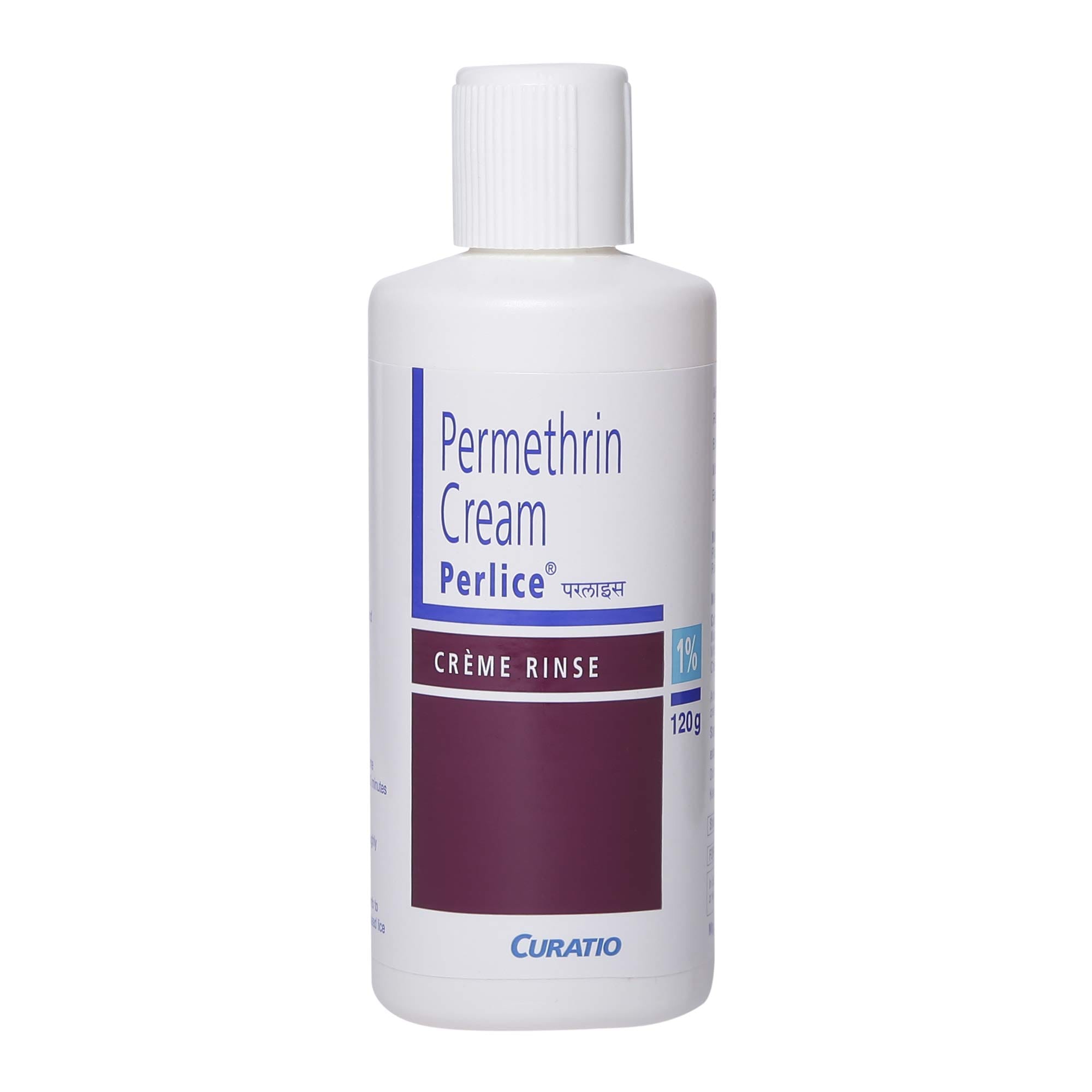
Perlice Cream
✅ Effectief tegen luizen
✅ Doodt ook de eitjes
✅ Eenvoudige toepassing
✅ Minimale bijwerkingen
✅ Snelle verlichting
Perlice Cream bevat Permethrin.
✓ Medisch beoordeeld door Morgan Ellis — Apotheekonderzoeker · 8 jaar ervaring · Laatst beoordeeld: mei 2026
⚡ Snel antwoord — Wat is Perlice Cream?
Perlice Cream is permethrin 1% lotion (120 ml fles) voor hoofdluis. Aanbrengen op schoon, afgedroogd haar, laten inwerken voor 10 minuten, daarna uitspoelen. Na 7 dagen herhalen om nieuw uitgekomen luizen te doden. Natkammen met een fijntandige luizenkam om te controleren. Veilig voor kinderen vanaf 2 maanden en tijdens zwangerschap/borstvoeding. De 5% formulering (Permiforce Cream) is de juiste keuze voor schurft, niet deze 1% lotion.
📦 Elke bestelling is gedekt door onze Reshipment Assurance-beleid — als uw pakket niet binnen 20 werkdagen arriveert, sturen wij het opnieuw.
Waarom bestellen bij MedsBase
Onze generieke medicijnen zijn afkomstig van WHO-GMP gecertificeerde fabrikanten en worden wereldwijd verzonden in discrete, eenvoudige verpakkingen — geen medicijnnaam op de buitenkant van het pakket. Betalingen met kaart worden verwerkt via een gereguleerde processor (betalingsoverzichten vermelden een gereguleerde kaartbetalingprocessor — nooit “MedsBase” of een medicijnnaam). Crypto en SEPA bankoverschrijvingen worden ook geaccepteerd. Elke bestelling wordt ondersteund door ons Reshipment Assurance Policy.
Waarom bestellen bij MedsBase
Door Perlice Cream bij MedsBase te kiezen, krijgt u:
- WHO-GMP gecertificeerd — afkomstig uit geïnspecteerde productiefaciliteiten
- Discrete verpakking — eenvoudige envelop, zonder zichtbare medicatienaam of apotheekmerk
- Wereldwijde verzending met Reshipment Assurance — elke bestelling verzekerd
- Geverifieerde klantbeoordelingen — 1.400+ beoordelingen in het gehele assortiment
- Meerdere betaalmogelijkheden — inclusief 10% korting bij betaling met cryptocurrency
Wat is Perlice Cream?
Perlice Cream is een permethrine 1% w/v haarlotion (‘cream rinse’) voor de behandeling van hoofdluizen (Pediculus humanus capitis) en hun eitjes. Ondanks de naam is de formulering een vloeibare lotion die in nat haar moet worden gemasseerd, geen dikke crème. Elke 120 ml fles is voldoende voor één of twee toepassingen op de meeste hoofden. Permethrine 1% is een WHO Model Essential Medicine en het meest gebruikte pediculicide wereldwijd met decennia aan veiligheidsgegevens bij kinderen.
Hoe werkt het?
Permethrine houdt de spanningsafhankelijke natriumkanalen in de zenuwen van luizen open, waardoor de parasiet verlamd raakt en sterft. Het heeft enig residuëel ovicide effect (doodt eitjes), maar net gelegde eitjes kunnen overleven — daarom is een tweede toepassing na 7 dagen essentieel. De huid van zoogdieren herstelt zich binnen enkele minuten van permethrinebinding, wat de zeer brede veiligheidsmarge verklaart.
Indicaties
- Hoofdluis (Pediculus humanus capitis) — eerstelijns topische behandeling bij volwassenen en kinderen ≥ 2 maanden
- Schaamluizen (Pthirus pubis) — aangebracht op de aangetaste gebieden (vaak wordt in plaats daarvan de 5% formulering gebruikt)
- Hoofdluizen — meestal als aanvulling op hygiëne van kleding/beddengoed
Voor schurft, gebruik de 5% crème formulering — zie Permiforce Cream.
Hoe Perlice Crème aan te brengen
| Stap | Wat te doen |
|---|---|
| 1. Was het haar | Was met een shampoo zonder conditioner (conditioner kan de haarschacht bedekken en het contact met permethrine verminderen). Droog af met een handdoek tot het haar licht vochtig is — niet druipend. |
| 2. Breng de lotion aan | Giet voldoende lotion om de hoofdhuid en het haar van wortel tot punt grondig te verzadigen. Masseer het in. Bedek de plekken achter de oren en in de nek — favoriete schuilplaatsen van luizen. |
| 3. Laat 10 minuten inwerken | Zet een timer. Langer is niet beter — 10 minuten is de gevalideerde contacttijd. |
| 4. Spoel uit | Spoel grondig uit met warm water; was het haar de komende 24 uur niet opnieuw met shampoo. |
| 5. Kam het haar nat | Terwijl het haar nog nat is, kam het sectie voor sectie met een fijne luizenkam om dode luizen en neten te verwijderen. Veeg de kam tussen de passes af op een tissue. |
| 6. Herhaal op dag 7 | Een tweede toepassing 7 dagen later doodt pas uitgekomen luizen voordat ze een nieuwe generatie kunnen leggen. |
Bijwerkingen
- Milde jeuk, roodheid of tintelingen op de hoofdhuid
- Tijdelijke branderige sensatie bij het eerste contact (vooral op beschadigde huid door krabben)
- Zelden: contactdermatitis; gevoelloosheid; uitslag
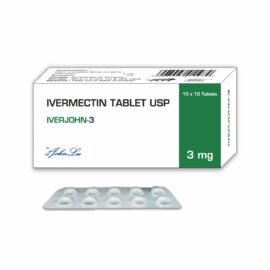
Breng niet aan op beschadigde of ernstig ontstoken hoofdhuid zonder medisch advies. Als luizen na twee correct uitgevoerde behandelingen en natkammen aanhouden, vermoed dan permethrine-resistentie (nu gebruikelijk in sommige regio's) en schakel over naar ivermectine lotion (Ivrea Shampoo) of orale ivermectine (Iverjohn).
Zwangerschap, borstvoeding en kinderen
- Zwangerschap: permethrine 1% wordt als veilig beschouwd in elk trimester.
- Borstvoeding: compatibel. Vermijd contact met de huid van de baby tijdens het aanbrengen.
- Kinderen ≥ 2 maanden: veilige en standaard eerstelijnsbehandeling.
- Zuigelingen < 2 maanden: raadpleeg een specialist — vaak wordt alleen natkammen gebruikt.
Geneesmiddelinteracties en contra-indicaties
Geen klinisch significante systemische geneesmiddelinteracties omdat absorptie van de intacte hoofdhuid verwaarloosbaar is. Gecontra-indiceerd bij bekende overgevoeligheid voor permetrine of pyrethroïden en bij allergie voor chrysanten (mogelijke kruisreactiviteit). Vermijd bij actieve hoofdhuid dermatitis, beschadigde huid of eczeemopflakkeringen totdat de barrière verbeterd is.
Opslag
Bewaren beneden 25 °C; goed afgesloten houden; buiten bereik van kinderen houden. Vermijd contact met ogen, mond en slijmvliezen tijdens het aanbrengen.
Veelgestelde vragen
Hoe snel doodt Perlice Cream luizen?
Levende luizen worden binnen enkele minuten na contact gedood. Eieren (neten) vereisen een tweede toepassing op dag 7 omdat het ovicide effect van permetrine onvolledig is.
Waarom moet ik natkammen na de behandeling?
Zelfs een succesvolle behandeling laat dode luizen en neten aan de haarschacht achter. Natkammen om de 2–3 dagen gedurende twee weken verwijdert deze, laat je de genezing bevestigen en vangt eventuele nieuw uitgekomen levende luizen voordat ze zich kunnen verspreiden.
Mijn kind heeft nog steeds luizen na twee behandelingen — wat nu?
Twee correct uitgevoerde behandelingen plus natkammen zouden normale luizen moeten verwijderen. Aanhoudende luizen betekenen meestal: onvolledig contact (conditioner aanwezig, haar te droog), gemiste herbesmetting van contacten, of echte permethrine-resistentie. Schakel over op topische ivermectine (Ivrea Shampoo) of orale ivermectine (Iverjohn) en controleer huisgenoten.
Kan ik Perlice Cream preventief gebruiken?
Nee. Behandel alleen bevestigde besmettingen — het gebruik van pediculiciden op luizenvrije kinderen bevordert resistentie en biedt geen voordeel. Kam tijdens een schooluitbraak regelmatig nat.
Moet ik het hele gezin behandelen?
Behandel iedereen met bevestigde levende luizen (gevonden bij natkammen). Behandel huisgenoten die vrij zijn niet preventief — kam hen wekelijks nat tijdens de uitbraak om eventuele besmetting vroegtijdig op te sporen.
Hoe zit het met lakens, kussens en hoeden?
Luizen kunnen ongeveer 24–48 uur overleven zonder hoofdhuid. Was beddengoed, hoeden, borstels en items die nauw contact hebben met het hoofd in heet water of stop ze 3 dagen in een plastic zak. Stofzuig stoffering; insecticidensprays voor meubels zijn niet nodig.
Is permethrine lotion veilig tijdens de zwangerschap?
Ja, de WHO en de meeste nationale richtlijnen vermelden permethrine als een voorkeurspediculicide in elk trimester.
Mag ik mijn haar wassen de dag na de behandeling?
Vermijd het wassen van je haar gedurende de eerste 24 uur nadat de lotion is uitgespoeld — het resterende permethrine op het haar draagt bij aan het doden van eventuele luizen die bij het eerste contact gemist zijn.
Waarom heet het flesje ‘Cream’?
Merkennaamconventie. De formulering is een vloeibare lotion / crèmespoeling — geen dikke crème. De dikkere 5% schurftcrème is Permiforce Cream.
Doodt Perlice Cream neten (eieren)?
Gedeeltelijk. De herhaling na 7 dagen is essentieel omdat eieren die de eerste toepassing overleven na 7–10 dagen uitkomen; de tweede behandeling doodt de nieuwe generatie voordat ze volwassen worden.
Andere behandelingen voor luizen & schurft
Patiënten bij wie een enkele Perlice Cream (permethrine 1%) toepassing onvoldoende blijkt — een beperking die goed gedocumenteerd is in regio's met veel resistentie — kunnen volledige uitroeiing bereiken met Ivrea Shampoo (ivermectine 1% shampoo), dat werkt via glutamaat-gereguleerde chloridekanalen die het pyrethroïde-resistentiepad volledig omzeilen.
- Permiforce Cream — permethrine 5% crème voor schurft
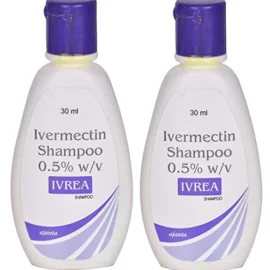
- Ivrea Shampoo — topische ivermectine 1% — alternatief voor resistente hoofdluis
- Iverjohn — orale ivermectine 3 / 6 / 12 mg — voor ernstige of behandeling-resistente hoofdluis
- Verpin — ivermectine 6 mg tabletten
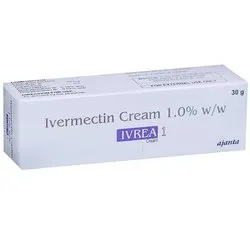
- Ivrea Cream — topische ivermectine 1% — off-label optie voor kleine luizenhaarden
Medische Disclaimer
Deze pagina is voor educatieve doeleinden en is geen vervanging voor medisch advies. Resistente of atypische besmettingen, aanhoudende jeuk ondanks correcte toepassing, besmette kinderen < 2 jaar, immuungecompromitteerde patiënten (risico op crusted/Noorse schurft) en gevallen van zwangerschap/borstvoeding vereisen klinische beoordeling. Ernstige wijdverspreide huidinfectie, koorts of systemische symptomen na een behandelingskuur vereisen dringend medisch onderzoek. Overleg altijd met een arts over behandeling tijdens zwangerschap of borstvoeding.
Meer opties in behandeling tegen luizen en schurft
Gerangschikt op recente bestelvolumes van MedsBase — wat andere klanten in deze categorie kiezen.
| Sterkte | 1% 120ml |
|---|---|
| Hoeveelheid | 1 Fles/s, 2 Flessen/s, 3 Flessen/s, 6 Flessen/s |
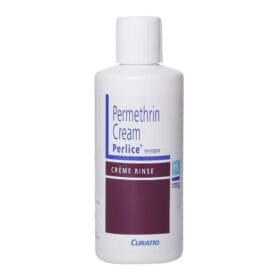 Perlice Cream
Vragen & antwoorden
Perlice Cream
Gerelateerde producten


Beoordelingen
Er zijn nog geen beoordelingen