







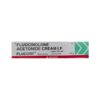
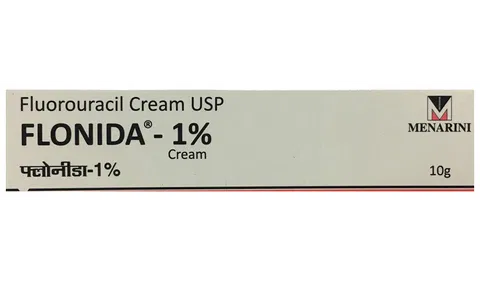
Flonida Cream
✅ Léčí kožní výrůstky
✅ Léčí aktinickou keratózu
✅ Kontroluje kožní nádory
✅ Snižuje kožní léze
✅ Minimalizuje vzhled bradavic
Flonida krém obsahuje fluorouracil.
✓ Lékařsky ověřeno Morgan Ellis — Pharmacy Researcher · 8 years experience Last reviewed: May 2026
⚡ Rychlá odpověď — Co je Flonida krém?
Flonida Cream obsahuje fluorouracil (5-FU) 5% hm./hm. jako topický krém od Yash Pharma — cytotoxické chemoterapeutikum používané lokálně k léčbě aktinických (solárních) keratóz, povrchového bazocelulárního karcinomu, a Bowenovy choroby (spinocelulární karcinom in situ) které byly potvrzeny lékařem. 5-FU inhibuje thymidylát syntázu a selektivně ničí rychle se dělící dysplastické kožní buňky. Léčba vyvolává záměrnou zánětlivou reakci (erytém → eroze → krusta → hojení) během 2-6 týdnů — to JE mechanismus účinku, nikoli nežádoucí reakce. Absolutní kontraindikace: těhotenství (kategorie X), kojení, známý deficit DPD (dihydropyrimidin dehydrogenázy), aplikace na sliznice, použití na nepotvrzené léze biopsií. Přísné vyhýbání se slunci během léčby a po dobu 1-2 měsíců po jejím ukončení. Není náhradou chirurgické excize nodulárních nebo invazivních kožních nádorů — Flonida Cream je vhodná pouze pro povrchové, biopsií potvrzené léze pod odborným dermatologickým dohledem.
📦 Každá objednávka je pokryta naší Zárukou opětovného odeslání — pokud vaše zásilka nedorazí do 20 pracovních dnů, přeposíláme ji.
Proč objednávat z MedsBase
Naše generické léky pocházejí od výrobců certifikovaných WHO-GMP a jsou expedovány po celém světě v diskrétním, nenápadném balení – na vnější straně balíku není uveden název léku. Platby kartou jsou směrovány prostřednictvím regulovaného procesoru (popisky na výpisu zahrnují regulovaného procesora plateb kartou – nikdy “MedsBase” nebo název léku). Přijímáme také kryptoměny a bankovní převody SEPA. Každá objednávka je zajištěna naší politikou přeposlání.
Co je Flonida Cream?
Flonida Cream je topický fluorouracil (5-FU) 5% hm./hm. krém od společnosti Yash Pharma, dodávaný v tubě o obsahu 10 g. Fluorouracil je pyrimidinový antimetabolit používaný v chemoterapii poprvé syntetizovaný v roce 1957 a široce používaný jako intravenózní cytostatikum u gastrointestinálních, prsních a nádorů hlavy a krku. Topická forma byla zavedena v 60. letech poté, co bylo pozorováno, že intravenózní 5-FU odstraňuje aktinické keratózy na kůži vystavené slunci. Mezinárodně je znám pod značkami Efudix (UK, EU), Efudex (US), Adrucil (intravenózní forma), Carac, Tolak, Fluoroplex, a generiky. Zůstává nejpoužívanější topickou chemoterapií pro pole-effect kožních nádorů a prekanceróz.
Jak Flonida Cream funguje?
- Metabolizuje se na 5-fluorodeoxyuridin monofosfát (FdUMP), který inhibuje thymidylát syntázu (TS) — enzym, který převádí dUMP na dTMP. Bez dTMP se syntéza DNA zastaví.
- Také se začleňuje do RNA jako FUTP a do DNA jako FdUTP, čímž narušuje transkripci a spouští apoptózu v rychle se dělících buňkách.
- Selektivně ničí rychle proliferující dysplastické a maligní keratinocyty, zatímco normální, pomalu se dělící keratinocyty šetří. Selektivita není dokonalá, proto dochází k zánětu i v normální kůži v místě aplikace.
- Minimální systémová absorpce při topické aplikaci na intaktní kůži (<10% aplikované dávky), ale absorpce prudce stoupá při aplikaci na velké plochy, erodovanou nebo ulcerovanou kůži nebo pod krycí obvazy.
- Metabolismus: systémový 5-FU je katabolizován dihydropyrimidin dehydrogenázou (DPD). Pacienti s úplným nebo částečným deficitem DPD (~3-5 % populace pro částečný deficit; ~0,2 % úplný) nedokážou odstranit 5-FU a trpí závažnou systémovou toxicitou i po topické aplikaci — to je absolutní kontraindikace.
Očekávaná sled viditelných reakcí v průběhu 2-6 týdenní léčby: mírné zarudnutí (1. týden) → intenzivní erytém a pálení (2.-3. týden) → eroze, krusty a mokvání (3.-4. týden) → hojení a reepitelizace (4.-6. týden) → zbytkové zarůžovělé zhojení vybledne během 1-2 měsíců. Tento sled reakcí představuje mechanismus účinku a NENÍ nežádoucí reakcí.. Pacienti často reagují s obavami; předchozí edukace je nezbytná. Předčasné ukončení léčby kvůli tomu, že pokožka “vypadá špatně”, je nejčastější příčinou neúspěchu léčby — viditelná reakce signalizuje, že lék funguje.
Kdy se používá Flonida Cream
Schválené indikace (pod dermatologickým dohledem a po bioptickém potvrzení, je-li to vhodné):
- Aktinické keratózy (solární keratózy) — sluncem vyvolané přednádorové léze na obličeji, pokožce hlavy, uších, hřbetu rukou a předloktí. Topický 5-FU je lékem první volby pro léčbu rozsáhlých ložisek (mnohočetné léze na větší ploše).
- Povrchový bazocelulární karcinom (sBCC) — biopticky potvrzený, lokalizovaný na trupu nebo končetinách (ne na hlavě/krku, pokud není výslovně určeno), kde je chirurgická excize nepraktická nebo kosmeticky nežádoucí.
- Bowenovy choroby (spinocelulární karcinom in situ) — biopticky potvrzený, dobře ohraničený, na trupu nebo končetinách.
- Keratoakantom (speciální použití, pouze u specifických podtypů)
Flonida Cream je určen pro NENÍ za:
- Nodulární nebo invazivní bazocelulární karcinom — vyžaduje chirurgické odstranění, Mohsovu chirurgii nebo radioterapii
- Invazivní spinocelulární karcinom — vyžaduje chirurgické odstranění
- Melanom nebo léze podezřelé z melanomu
- Léze bez histologické diagnózy — nejprve musí biopsie potvrdit typ kožního nádoru; topický 5-FU může zploštit a částečně léčit invazivní nádor natolik, že oddálí chirurgickou diagnózu, zatímco hlubší onemocnění postupuje
- Běžné vrásky, poškození sluncem nebo pigmentace (kosmetické použití) — jedná se o chemoterapeutikum, nikoli o kosmetický přípravek
- Intertriginózní nebo slizniční oblasti
Dávkování a léčebné protokoly Flonida Cream
Standardní protokol pro aktinickou keratózu (obličej, pokožka hlavy)
- Ošetřovanou oblast umyjte jemným mýdlem a vlažnou vodou; jemně osušte.
- Naneste tenkou vrstvu Flonida Cream přímo na postiženou oblast a krátký okraj (1-2 cm) okolní kůže; jemně vetřete prstem v rukavici nebo vatovou tyčinkou.
- Po aplikaci si důkladně umyjte ruce. NEDOTÝKEJTE se očí, rtů, vnitřku nosních dírek ani sliznic rukama potřísněnými krémem.
- Aplikujte dvakrát denně po dobu 2–4 týdnů na obličej a pokožku hlavy. Délka léčby se upravuje podle klinické reakce — jakmile je dosaženo dobré zánětlivé/erozní reakce, byl cíl dosažen a léčbu lze ukončit.
- Žádné okluzivní obvazy. Krém se nechává volně bez krytí — okluze zvyšuje absorpci a závažnost reakce nad zamýšlenou míru.
- Po ukončení léčby pokožka pokračuje v hojení po dobu 2–6 týdnů. Během fáze hojení aplikujte nedráždivé emoliencium (vazelínu, parafínový hydratační přípravek). ŽÁDNÁ kosmetika, ŽÁDNÉ vystavení slunci.
Protokol pro povrchový BCC/Bowenovu chorobu
- Nejprve musí být diagnóza potvrzena biopsií. Povrchový BCC na trupu/končetinách nebo Bowenova choroba pouze — pod odborným dermatologickým vedením.
- Aplikujte dvakrát denně po dobu 3-6 týdnů.
- Léčba často vypadá hůře a trvá déle než léčba AK — očekávejte intenzivní zánět, erozi a mokvání po dobu 2-3 týdnů, následované pomalou fází hojení.
- Kontrolní biopsie za 8-12 týdnů je často doporučována k potvrzení vyléčení. Míra recidivy za 5 let je 10-30% — standardem je každoroční dermatologické sledování po dobu 5 let.
Alternativní režimy
Váš dermatolog může doporučit pulzní režim (např. 2 týdny léčby, 2 týdny pauza, opakovat; nebo pouze o víkendech po delší období) ke snížení závažnosti zánětlivé reakce u pacientů, kteří nesnesou standardní 4týdenní léčbu. Kombinace s kalcipotriolem (4denní režim) nebo sekvenční aplikací imiquimodu se používá u těžkého postižení rozsáhlých ploch. Tyto protokoly patří do odborné dermatologie — neexperimentujte sami.
Očekávaný časový průběh reakce — Co očekávat
| Fáze | Co uvidíte |
|---|---|
| Dny 1-7 (počáteční fáze) | Mírné zarudnutí a lehké brnění. Dříve neviditelné léze se mohou stát viditelnými, jak reagují na léčbu. |
| Dny 7-14 (reakční fáze) | Intenzivní erytém, pálení, citlivost, štípání. Kůže je horká na dotek. Léze tmavnou a stávají se výraznějšími. |
| Dny 14-28 (erozní fáze) | Eroze, mokvání, tvorba stroupků. Kůže vypadá výrazně podrážděně. To je známka toho, že lék působí na cílové buňky. |
| Dny 28-42 (hojení) | Začíná reepitelizace. Pouze jemný emolienční přípravek; žádná kosmetika, žádné slunce. Růžová nová kůže nahrazuje erozi. |
| Týdny 6-12 (zhojení) | Růžová kůže postupně přechází do normální barvy. Zbytkové zarudnutí může přetrvávat několik měsíců. Může se objevit hyper- nebo hypo-pigmentace, která je obvykle trvalá. |
Vedlejší účinky
- Očekávané (u VŠECH pacientů): erytém, pálení, štípání, eroze, tvorba stroupků, mokvání, citlivost v místě ošetření — toto JE terapeutická reakce
- Časté: bolest, svědění, suchost, fotosenzitivita, místní otok, přechodná hyper- nebo hypo-pigmentace
- Méně časté: alergická kontaktní dermatitida, tvorba milií během hojení, zbytkové teleangiektázie v místě ošetření, jizvení (obvykle mírné)
- Vzácné: Stevens-Johnsonův syndrom, foto-onycholýza při expozici nehtů, poškození rohovky při kontaktu krému s okem
- Závažné (pacienti s deficitem DPD nebo rozsáhlá expozice): těžká mukozitida, průjem, útlum kostní dřeně, neurotoxicita — systémová toxicita 5-FU se může objevit i při topické aplikaci u pacientů s deficitem DPD a vyžaduje nemocniční léčbu
Kontraindikace a varování
- Těhotenství (kategorie X) — ABSOLUTNÍ. 5-FU je teratogenní. Ženy v reprodukčním věku musí používat účinnou antikoncepci během léčby a po dobu nejméně 3 měsíců po léčbě. Před zahájením léčby je standardní těhotenský test.
- Kojení — ABSOLUTNÍ. Během léčby nekojte.
- Známý nebo podezřelý deficit DPD (dihydropyrimidin dehydrogenázy) — ABSOLUTNÍ. Pacienti s rodinnou anamnézou nevysvětlitelných závažných reakcí na fluoropyrimidiny (kapecitabin, systémové 5-FU) by měli být před topickou aplikací 5-FU vyšetřeni.
- Známá přecitlivělost na fluorouracil nebo jakoukoli pomocnou látku
- Aplikace na sliznice, rty, oční víčka, vnitřek nosních dírek — mucosální absorpce je mnohem vyšší než kožní a mohou nastat závažné reakce
- Biopticky nepotvrzené léze — lokální léčba nediagnostikované léze může maskovat projevy invazivního karcinomu pod ní
- Nodulární nebo invazivní BCC nebo invazivní SCC — tyto případy vyžadují chirurgické řešení
- Děti — není indikováno u dětských kožních onemocnění
- Pacienti po transplantaci s imunosupresí — rozhodnutí specialisty dermatologa; riziko opožděného hojení a systémové absorpce
- Přehněte trubici pevně po použití — neaplikujte okluzivní obvaz, pokud není výslovně doporučeno; okluze výrazně zvyšuje absorpci a závažnost reakce
Interakce s léčivy
- Systémové fluoropyrimidiny (kapecitabin, systémový 5-FU, tegafur) — nepoužívejte současně; riziko závažné toxicity
- Brivudin, sorivudin (antivirotika) — inhibují DPD a mohou vyvolat fatální systémovou toxicitu 5-FU i při topické aplikaci; ABSOLUTNĚ se vyvarovat
- Jiné topické cytotoxické nebo imunomodulační látky (imiquimod, ingenol mebutát, diklofenakový gel) — neaplikujte na stejnou oblast bez odborného doporučení; sekvenční použití je standardem v některých protokolech terénní léčby
- Topické kortikosteroidy — potlačit terapeutickou zánětlivou reakci; obecně se během aktivní léčby nedoporučuje, může být krátce použita při nesnesitelných reakcích pod odborným dohledem
- Warfarin — IV 5-FU výrazně zesiluje účinek warfarinu; topické 5-FU má při běžném použití minimální systémový účinek, ale u pacientů užívajících warfarin a rozsáhle aplikujících topické 5-FU častěji kontrolujte INR
- Fenytoin — systémové 5-FU zvyšuje hladiny fenytoinu; topické užití má zřídka klinický význam
Pravidla pro vystavení slunci
Přísné vyhýbání se slunci během léčby a 1-2 měsíce po ní:
- Během léčby se pokud možno vyhýbejte přímému slunečnímu záření. Pokud jste venku, noste klobouk se širokým okrajem a úplně zakryjte ošetřenou oblast.
- Nepoužívejte opalovací krém přímo na zanícenou/erozivní ošetřenou oblast během aktivní reakce — složky opalovacích krémů mohou silně štípat a narušovat hojení. Místo toho použijte fyzickou bariéru (klobouk, oblečení).
- Jakmile je kůže plně zregenerovaná a zahojená (obvykle 6-8 týdnů od začátku léčby), obnovte každodenní používání širokospektrálního opalovacího krému SPF 50+ — ošetřená pokožka je citlivější na slunce po dobu 1-2 měsíců a dlouhodobé vyhýbání se slunci je klíčové pro prevenci budoucích aktinických keratóz a rakoviny kůže.
- Solária jsou absolutně zakázána, u pacientů s anamnézou aktinických keratóz nebo nemelanomového kožního karcinomu.
Skladování a doba použitelnosti
Skladujte Flonida Cream při teplotě 15-25°C v původní tubě, mimo přímé sluneční světlo. NEMRAZTE. Po použití pevně uzavřete víčko. Uchovávejte mimo dosah dětí a domácích zvířat — jedná se o cytotoxický lék a náhodné požití nebo kontakt s očima vyžaduje neodkladnou lékařskou pomoc. Prázdné tuby likvidujte podle místních předpisů pro cytotoxický odpad (v mnoha jurisdikcích vraťte do lékárny — ne do domovního odpadu).
Často kladené dotazy
Proč moje pokožka vypadá hůře při používání Flonida Cream?
Viditelná zánětlivá reakce — zarudnutí, pálení, eroze, krusty, mokvání — JE terapeutickým mechanismem. 5-FU ničí dysplastické buňky a imunitní clearance těchto zbytků způsobuje zánět. Pacienti, kteří nemají dobrou reakci, obvykle nedosahují dobrého klinického výsledku. Předčasné ukončení léčby, protože “to vypadá špatně”, je nejčastější příčinou neúspěchu léčby. Váš dermatolog vám poradí, jak intenzivní reakce je žádoucí a kdy přestat.
Mohu použít Flonida Cream na místo, které by mohlo být kožním karcinomem, bez biopsie?
Ne. Léčba nediagnostikované léze topickým 5-FU může zploštit a částečně vyčistit invazivní karcinom natolik, že maskuje jeho vzhled, zatímco hlubší onemocnění postupuje nekontrolovaně. Všechny podezřelé kožní léze vyžadují biopsii a histologické vyšetření před léčbou — topický 5-FU není vhodný pro nodulární BCC, invazivní SCC, melanom nebo jakoukoli lézi nejisté diagnózy.
Co je DPD deficit a proč je důležitý u topického krému?
Dihydropyrimidin dehydrogenáza (DPD) je enzym, který detoxikuje 5-FU systémově. Asi 3-5 % lidí má částečný deficit; 0,2 % má úplný deficit. U pacientů s deficitem se může i malé množství 5-FU absorbovaného z topické aplikace nahromadit na toxické hladiny, což způsobuje těžkou mukozitidu, průjem, selhání kostní dřeně a neurotoxicitu. Rodinná anamnéza těžkých reakcí na jakýkoli fluoropyrimidinový lék (kapecitabin, systémový 5-FU, tegafur) je varovným signálem — proveďte screening před zahájením topického 5-FU. V případě pochybností se poraďte s dermatologem nebo onkologem.
Mohu během léčby používat make-up nebo opalovací krém?
Během aktivní léčby žádné kosmetické přípravky na ošetřovanou oblast — mohou se usazovat do erodované kůže, zvyšovat podráždění a bránit hojení. Ani opalovací krém přímo na ošetřovanou oblast; místo toho používejte fyzickou ochranu před sluncem (klobouk, dlouhé rukávy, deštník). Po dokončení hojení (6-8 týdnů) obnovte denní používání širokospektrálního opalovacího krému SPF 50+ jako dlouhodobou prevenci.
Co když vynechám dávku?
Aplikujte další dávku v pravidelném časovém intervalu. Nedávejte dvojnásobnou dávku. Občasné vynechání dávky významně neovlivní celkový průběh léčby.
Je těhotenství opravdu absolutní kontraindikací — je to jen kožní krém?
Ano, absolutně. Z topické aplikace se absorbuje dostatek 5-FU, aby byl teratogenní v pokusech na zvířatech, a existují kazuistiky fetálních malformací po expozici v těhotenství. 5-FU je zařazen Těhotenská kategorie X — do nejvyšší rizikové kategorie, což znamená, že riziko v těhotenství převažuje nad jakýmkoli možným přínosem. Během léčby a alespoň 3 měsíce po ní je nutná účinná antikoncepce. Pokud otěhotníte během léčby, okamžitě přestaňte a kontaktujte lékaře.
Může se někdo jiný dotýkat mé ošetřené kůže?
Vyhněte se kožnímu kontaktu ošetřené oblasti s jinými lidmi — zejména dětmi a těhotnými ženami — dokud si neumyjete ošetřené místo a ruce. Myjte si ruce po každé aplikaci. Zbytky na oblečení nebo ložním prádle nepředstavují pro ostatní významné riziko expozice.
Jaké jsou alternativy ke krému Flonida?
Pro aktinické keratózy: kryoterapie (tekutý dusík), krém s imiquimodem, 3% gel s diklofenakem, fotodynamická terapie (PDT), ingenol mebutát. Pro povrchový bazocelulární karcinom: imiquimod, PDT, chirurgická excize, kyretáž s elektrodesikací, Mohsova mikrografická chirurgie. Pro invazivní kožní nádory: chirurgie (excize nebo Mohs), radioterapie. Váš dermatolog doporučí nejvhodnější možnost na základě typu léze, velikosti, umístění, vašeho typu pleti, dalších zdravotních stavů a logistiky léčby.
Kde si mohu objednat krém Flonida online?
Krém Flonida si můžete objednat na MedsBase ve standardních baleních (10 g tuba). Objednávky se zasílají po celém světě v diskrétním balení. Topický fluorouracil je cytotoxický lék pod odborným dohledem ve všech jurisdikcích; používejte pouze pod dohledem dermatologa a po biopsií potvrzené diagnóze.
Související dermatologické produkty na MedsBase
- Tenovate krém (clobetasol) — vysoce účinný topický kortikosteroid pro zánětlivé dermatózy (NEPOUŽÍVAT na místa ošetřená 5-FU)
- A-Ret gel (tretinoin) — topický retinoid používaný pro fotopoškození, mírné aktinické keratózy a jako doplňková péče o sluncem poškozenou pokožku
- Kde si mohu objednat krém Eflora online? — tretinoinový krém pro fotopoškozenou pokožku
- Mast T-Bact (mupirocin) — topické antibiotikum v případě sekundární infekce během erozivní fáze léčby 5-FU
Užitečné čtení: Recenze zákazníků MedsBase.
Související alternativy
Další produkty v Obecné zdraví které zákazníci také prohlížejí:
Více možností v kategorii Krása a péče o pleť
Řazeno podle nedávného objemu objednávek na MedsBase — co si ostatní zákazníci v této kategorii vybírají.


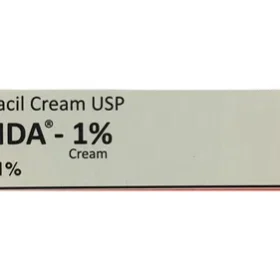
| Síla | 10 g |
|---|---|
| Množství | 1 tuba, 2 tuby, 3 tuby, 6 tub |
 Flonida Cream
Otázky a odpovědi
Flonida Cream
Související produkty


Hodnocení
Zatím zde nejsou žádná hodnocení