








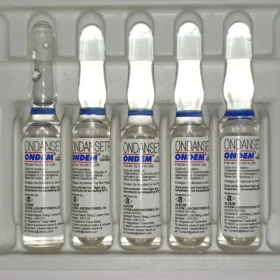
Ondem Injection
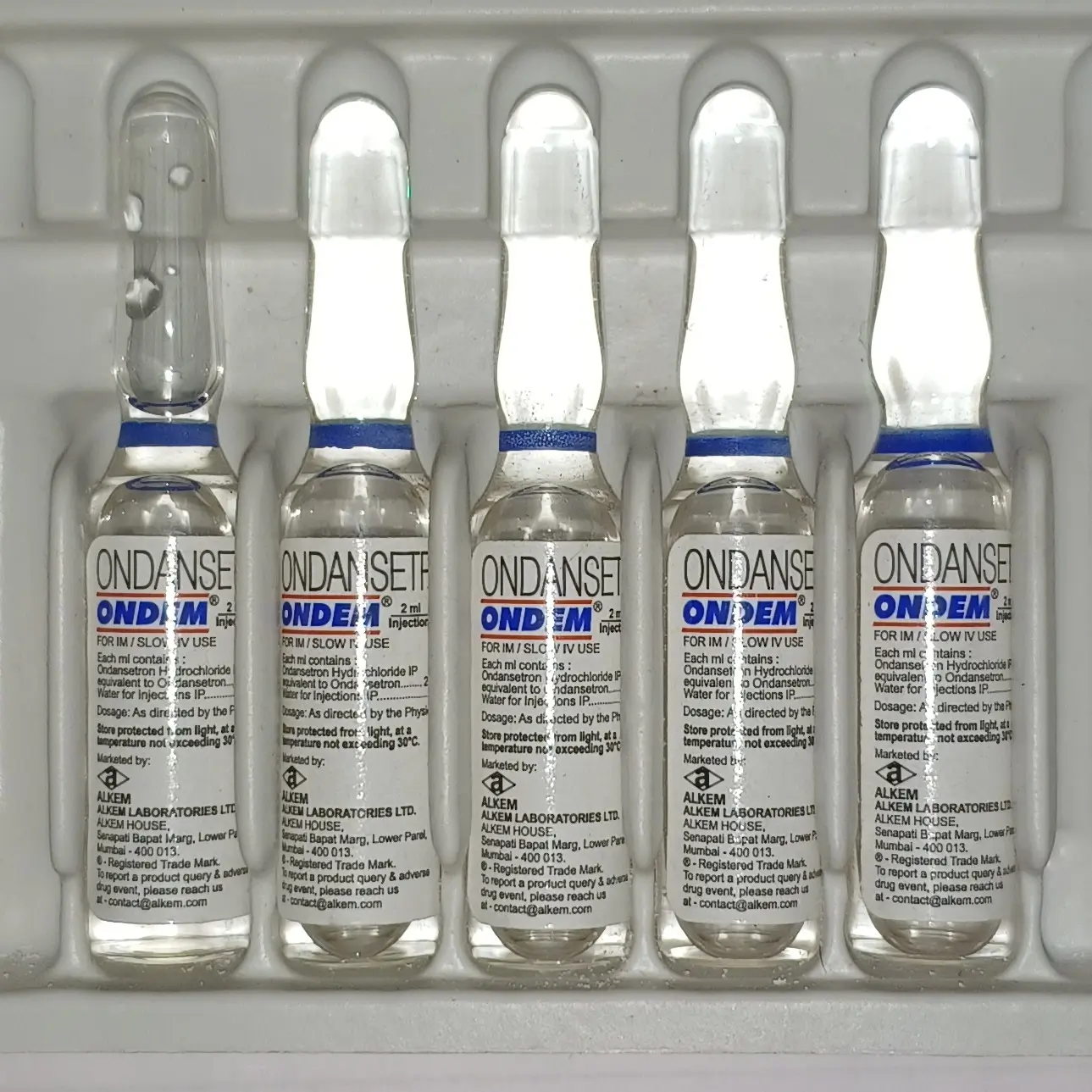
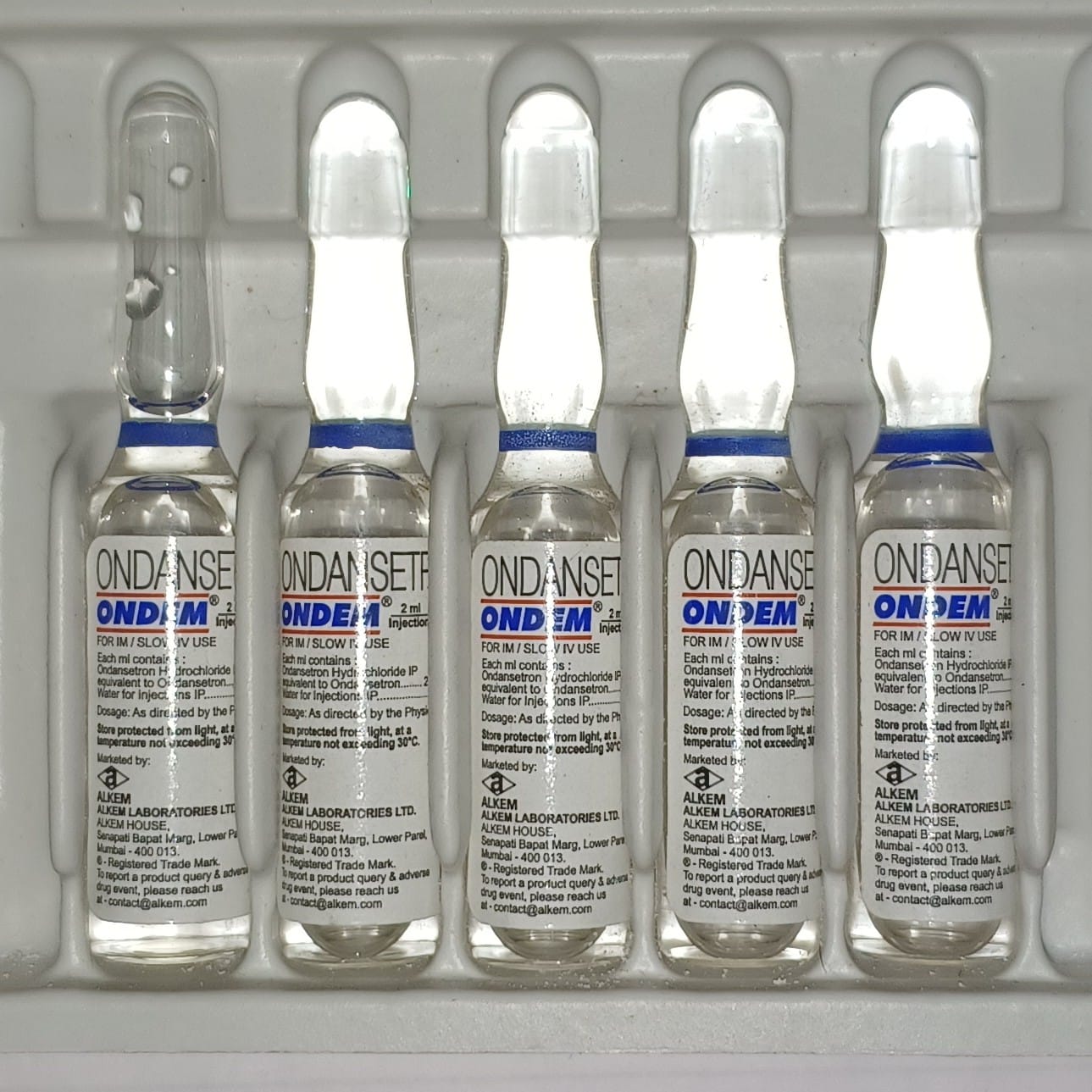
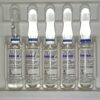
Ondem Injection (Ondansetron 2 mg/ml, 4 mg v ampuli o objemu 2 ml) — intravenózně/intramuskulárně podávaný 5-HT3 antagonista pro nevolnost při chemoterapii, radioterapii a po operacích. Generikum od Alkem pro přípravek Zofran.
✓ Lékařsky ověřeno Morgan Ellis — Pharmacy Researcher · 8 years experience Last reviewed: May 2026
⚡ Rychlá odpověď — Co je injekce Ondem?
Ondem Injection obsahuje ondansetron 2 mg/ml v ampulích po 2 ml (celkem 4 mg) — selektivní serotoninový antagonista 5-HT3 receptorů používá se v nemocnicích k prevenci a léčbě chemoterapií vyvolané, radiací vyvolané, a pooperační nevolnosti a zvracení (PONV). Podává se zdravotnickým pracovníkem intravenózně (pomalý vpich nebo krátká infuze) nebo intramuskulárně. Nástup účinku do 5–10 minut při IV podání. Výrobce: Alkem Laboratories — generický ekvivalent injekčního přípravku Zofran. FDA omezení dávky na 16 mg IV v jedné dávce kvůli riziku QT prodloužení při vyšších dávkách.
📦 Každá objednávka je pokryta naší Zárukou opětovného odeslání — pokud vaše zásilka nedorazí do 20 pracovních dnů, přeposíláme ji.
Proč objednávat z MedsBase
Naše generické léky pocházejí od výrobců certifikovaných WHO-GMP a jsou expedovány po celém světě v diskrétním, nenápadném balení – na vnější straně balíku není uveden název léku. Platby kartou jsou směrovány prostřednictvím regulovaného procesoru (popisky na výpisu zahrnují regulovaného procesora plateb kartou – nikdy “MedsBase” nebo název léku). Přijímáme také kryptoměny a bankovní převody SEPA. Každá objednávka je zajištěna naší politikou přeposlání.
Proč objednávat z MedsBase
Ondem Injection je dodáván z výrobce certifikovaného WHO-GMP. Každá objednávka je diskrétně zasílána po celém světě a je pokryta naší Zárukou opětovného odeslání — pokud nedorazí do 20 pracovních dnů, zašleme náhradní zásilku bez dalších nákladů. Ondem Injection je globální standard parenterálního antagonisty 5-HT3 pro nemocniční antiemetickou léčbu. Alkem je jedním z největších indických výrobců injekčních přípravků WHO-GMP a formulace je bioekvivalentní s referenční značkou.
Mechanismus účinku
Chemoterapie, ozařování a chirurgický stres poškozují střevní enterochromafinní buňky, uvolňují masivní množství serotoninu (5-HT). Serotonin se váže na 5-HT3 receptory na vagových aferentních vláknech a na chemorecepční spouštěcí zóně (area postrema), čímž vytváří nejsilnější známý orální/střevní emetický podnět. Ondansetron je vysoce selektivní antagonista 5-HT3 receptoru — přerušuje tento signál na periferních i centrálních místech, aniž by ovlivňoval D2, H1, muskarinové nebo alfa-adrenergní receptory. Čistý receptorový profil vysvětluje absenci sedace, extrapyramidových reakcí a anticholinergních nežádoucích účinků, které omezují starší antiemetika, jako je prochlorperazin a metoklopramid.
Indikace
- CINV: středně nebo vysoce emetogenní chemoterapie — obvykle s dexamethasonem ± aprepitantem u vysoce emetogenních režimů.
- Radiačně indukovaná nevolnost: celkové ozáření těla, vysokodávkové ozáření břicha/pánve.
- Postoperační nauzea a zvracení (PONV): jednorázová dávka 4 mg při úvodu do anestezie nebo na konci operace; profylaxe u vysoce rizikových pacientů (Apfel score ≥ 2).
- u pacientů, kteří nejsou schopni udržet perorální tekutiny. Refrakterní hyperemesis gravidarum.
- – druhá/třetí volba po doxylaminu+B6 a metoklopramidu. — druhá/třetí linie po doxylaminu+B6 a metoklopramidu.
Dávka
| Indikace | Dávka |
|---|---|
| 8 mg pomalé IV (po dobu > 15 min) 30 min před chemoterapií, poté 8 mg každé 4 hodiny × 2 dávky, poté přechod na perorální podání 8 mg každých 12 hodin | 8 mg pomalu i.v. (během > 15 min) 30 min před chemoterapií, poté 8 mg každé 4 h × 2 dávky, poté přechod na perorální podání 8 mg každých 12 h |
| 8 mg pomalé IV 30 min před chemoterapií, poté přechod na perorální podání | 8 mg pomalu i.v. 30 min před chemoterapií, poté přejít na perorální podání |
| PONV (dospělí) | 4 mg pomalu i.v. při úvodu či na konci operace (jedna dávka); někdy 8 mg pro vysoce rizikové pacienty |
| Pediatrické (CINV) | 5 mg/m² IV před chemoterapií (max. 8 mg na dávku); dávkování podle hmotnosti u gastroenteritidy |
| Maximální jednorázová dávka | 16 mg IV (FDA limit kvůli riziku QT prodloužení); pomalá IV injekce po dobu 30 sekund nebo krátká infuze 15 minut |
| Těžké jaterní poškození | Maximálně 8 mg/den (Child-Pugh C) |
Kompatibilní s 0,9% roztokem chloridu sodného a 5% glukózou; nemíchat ve stejné stříkačce s jinými léky. Podávat pomalou IV injekci (po dobu 30 sekund při bolusové aplikaci nebo 15 minut při infuzi) — rychlý bolus zvyšuje riziko QT prodloužení.
Vedlejší účinky
- Časté: bolest hlavy (často během minut po injekci), zácpa, mírné návaly horka, přechodné zvýšení AST/ALT, únava
- Méně časté: závratě, návaly horka, škytavka, mírná bradykardie, hypotenze po rychlé IV aplikaci
- Vzácné, ale závažné: QT prodloužení/torsade de pointes (zejména u jednotlivých dávek > 16 mg), serotoninový syndrom (s SSRI/SNRI/triptany), těžká přecitlivělost, přechodná slepota (velmi vzácná), arytmie
- Méně časté: extrapyramidové reakce (vzácně u ondansetronu na rozdíl od starších antiemetik)
Interakce léků
- Apomorfin: ABSOLUTNÍ kontraindikace — hlášena těžká hypotenze a ztráta vědomí.
- Další léky prodlužující QT interval (azithromycin, klarithromycin, citalopram, escitalopram, methadon, amiodaron, sotalol, fluorochinolony, hydroxychlorochin, antipsychotika): vyvarujte se kombinace nebo monitorujte EKG.
- Serotonergní léky (SSRI, SNRI, MAOI, triptany, tramadol, fentanyl, linezolid, methylenová modř): hlášen vzácný výskyt serotoninového syndromu.
- Silné induktory CYP3A4 (rifampicin, fenytoin, karbamazepin): mohou snížit hladinu ondansetronu a snížit jeho účinnost.
- Tramadol: ondansetron může snížit analgetický účinek tramadolu (blokáda 5-HT3 receptorů interferuje s descendentní inhibicí bolesti).
Často kladené dotazy
Jak rychle začíná působit injekce Ondem?
Účinek nastupuje do 5–10 minut po pomalé IV injekci a 15–30 minut po IM aplikaci. Antiemetický účinek trvá 8–12 hodin. IV forma je preferována u aktivního zvracení, kdy perorální podání není spolehlivé.
Proč je maximální IV dávka ondansetronu omezena na 16 mg?
FDA na základě přehledu údajů o srdeční bezpečnosti zjistila, že jednotlivé IV dávky > 16 mg významně zvyšují riziko QT prodloužení a torsade-de-pointes. Limit 16 mg platí pro jednotlivé dávky; celková denní dávka může být stále 24 mg podávaných jako 8 mg každých 8 hodin.
Může být injekce Ondem podána IM?
Ano — IM je vhodná cesta podání, když je obtížný IV přístup, s nástupem účinku za 15–30 minut (pomaleji než IV, ale rychleji než perorálně). Standardní IM dávka je 4 mg; nepřekračovat 16 mg na jednu dávku.
Může být injekce Ondem použita v těhotenství?
Rezervováno pro refrakterní hyperemesis gravidarum po selhání kombinace doxylamin+B6 a metoklopramidu. Některé observační studie naznačují mírné riziko srdečních vad a rozštěpu patra v prvním trimestru — zvažte proti riziku těžké neléčené hyperemesis pro matku. Doporučuje se odborný dohled.
Je injekce Ondem bezpečná pro děti?
Ano — dávkování podle hmotnosti nebo povrchu těla je dobře zavedeno pro pediatrickou chemoterapii a těžkou gastroenteritidu. Dávka je obvykle 5 mg/m² IV před chemoterapií (max. 8 mg) nebo podle hmotnosti (0,15 mg/kg) u gastroenteritidy.
Proč injekce Ondem způsobuje zácpu?
5-HT3 receptory ve stěně střeva regulují střevní motilitu — jejich blokáda snižuje peristaltiku a zpomaluje průchod tlustým střevem. Zácpa je klinicky nejvýznamnějším vedlejším účinkem; předcházejte jí hydratací, vlákninou a profylaktickými laxativy během vícedenních cyklů chemoterapie.
Způsobuje injekce Ondem sedaci?
Ne. Na rozdíl od promethazinu, prochlorperazinu a metoklopramidu ondansetron nezpůsobuje sedaci, extrapyramidové reakce ani anticholinergní vedlejší účinky.
Lze injekci Ondem míchat s chemoterapií ve stejné infuzi?
Ondansetron je neslučitelný s několika chemoterapeutiky ve stejné stříkačce; mezi podáním léků propláchněte infuzní linku fyziologickým roztokem. Kompatibilita je specifická pro daný přípravek a měla by být ověřena podle lékárenských doporučení pro každou kombinaci chemoterapie.
Co když je potřeba dávka vyšší než 16 mg?
Při vysoce emetogenní chemoterapii podávejte 8 mg pomalu intravenózně každé 4 hodiny namísto jedné vysoké dávky. Přechod na jiný 5-HT3 antagonista (granisetron, palonosetron) nebo přidání NK1 antagonisty (aprepitant) je obvykle lepší strategií než překročení maximální jednorázové dávky 16 mg.
Jak se skladuje injekce Ondem?
Skladujte ampule při pokojové teplotě (15–25°C), chraňte před světlem. Nenamrazujte. Před použitím zkontrolujte roztok – měl by být čirý a bezbarvý.
Další léčba nevolnosti
- Ondem (ondansetronové tablety – perorální podání po IV)
- Emeset 4 ODT (perorální tablety rozpustné v ústech – přechod z IV)
- Granicip (granisetron – jednou denně podávaný 5-HT3 antagonista)
- Dompewal (domperidon – alternativní třída)
- Stemetil MD (prochlorperazin ODT – záchranné antiemetikum)
- Prohlédnout všechny léky na nevolnost
Další možnosti v léčbě nevolnosti
Řazeno podle nedávného objemu objednávek na MedsBase — co si ostatní zákazníci v této kategorii vybírají.

| Síla | 2 ml |
|---|---|
| Množství | 10 ampulí, 20 ampulí, 30 ampulí, 60 ampulí |
 Ondem Injection
Otázky a odpovědi
Ondem Injection
Související produkty





Hodnocení
Zatím zde nejsou žádná hodnocení