







Flonida Cream
✅ Behandelt huidgroei
✅ Beheerst actinische keratose
✅ Bestrijdt huidkanker
✅ Vermindert huidlaesies
✅ Minimaliseert het uiterlijk van wratten
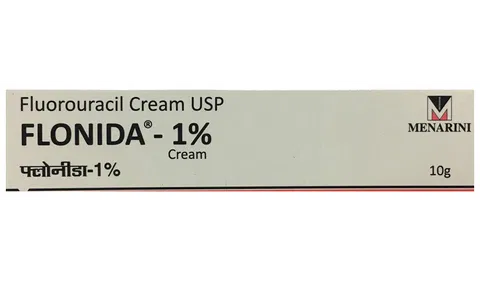
Flonida Cream bevat Fluorouracil.
✓ Medisch beoordeeld door Morgan Ellis — Apotheekonderzoeker · 8 jaar ervaring · Laatst beoordeeld: mei 2026
⚡ Kort antwoord — Wat is Flonida Cream?
Flonida Cream bevat fluorouracil (5-FU) 5% w/w als een topische crème van Yash Pharma — een cytotoxisch chemotherapeutisch middel topisch gebruikt voor de behandeling van actinische (zonlicht) keratosen, oppervlakkig basaalcelcarcinoom, en ziekte van Bowen (plaveiselcelcarcinoom in situ) die door een clinicus zijn bevestigd. 5-FU remt thymidylaat synthase en vernietigt selectief snel delende dysplastische huidcellen. De behandeling veroorzaakt een opzettelijke ontstekingsreactie (erytheem → erosie → korst → genezing) gedurende 2-6 weken — dit IS het werkingsmechanisme, geen bijwerking. Absolute contra-indicaties: zwangerschap (Categorie X), borstvoeding, bekende DPD (dihydropyrimidine dehydrogenase) deficiëntie, gebruik op slijmvliezen, gebruik op niet door biopsie bevestigde laesies. Strikt zonlicht vermijden tijdens de behandeling en gedurende 1-2 maanden daarna. Geen vervanging voor chirurgische excisie van nodulaire of invasieve huidkankers — Flonida Crème is alleen geschikt voor oppervlakkige, door biopsie bevestigde laesies onder begeleiding van een dermatoloog.
📦 Elke bestelling is gedekt door onze Reshipment Assurance-beleid — als uw pakket niet binnen 20 werkdagen arriveert, sturen wij het opnieuw.
Waarom bestellen bij MedsBase
Onze generieke medicijnen zijn afkomstig van WHO-GMP gecertificeerde fabrikanten en worden wereldwijd verzonden in discrete, eenvoudige verpakkingen — geen medicijnnaam op de buitenkant van het pakket. Betalingen met kaart worden verwerkt via een gereguleerde processor (betalingsoverzichten vermelden een gereguleerde kaartbetalingprocessor — nooit “MedsBase” of een medicijnnaam). Crypto en SEPA bankoverschrijvingen worden ook geaccepteerd. Elke bestelling wordt ondersteund door ons Reshipment Assurance Policy.
Wat Is Flonida Crème?
Flonida Crème is een topische fluorouracil (5-FU) 5% w/w crème van Yash Pharma, geleverd in een tube van 10 g. Fluorouracil is een pyrimidine antimetaboliet chemotherapiemedicijn voor het eerst gesynthetiseerd in 1957 en veel gebruikt als intraveneus cytostaticum voor maag-darm-, borst- en hoofd-halskankers. De topische formulering werd in de jaren 1960 geïntroduceerd na de observatie dat IV 5-FU actinische keratosen op zonbeschenen huid verwijderde. Internationaal verkocht onder de merknamen Efudix (UK, EU), Efudex (VS), Adrucil (IV-vorm), Carac, Tolak, Fluoroplex, en generieke versies. Het blijft de meest gebruikte topische chemotherapie voor veldeffect huidkanker en precancereuze aandoeningen.
Hoe werkt Flonida Cream?
- Gemetaboliseerd tot 5-fluorodeoxyuridinemonofosfaat (FdUMP), dat thymidylaat synthase (TS) remt — het enzym dat dUMP omzet in dTMP. Zonder dTMP stopt de DNA-synthese.
- Incorporeert ook in RNA als FUTP en in DNA als FdUTP, wat de transcriptie verstoort en apoptose opwekt in snel delende cellen.
- Selectief vernietigt snel prolifererende dysplastische en maligne keratinocyten, terwijl normale, langzaam delende keratinocyten gespaard blijven. De selectiviteit is niet perfect, waardoor ook normale huid op de behandelingsplaats ontstoken raakt.
- Minimale systemische absorptie van topische toepassing op intacte huid (<10% van de toegediende dosis), maar de absorptie neemt sterk toe wanneer het wordt aangebracht op grote oppervlakken, geërodeerde of geulcereerde huid, of onder afdekverband.
- Metabolisme: systemisch 5-FU wordt gecataboliseerd door dihydropyrimidine dehydrogenase (DPD). Patiënten met een volledig of gedeeltelijk DPD-tekort (~3-5% van de bevolking voor gedeeltelijk tekort; ~0,2% volledig) kunnen 5-FU niet afbreken en lijden aan ernstige systemische toxiciteit, zelfs bij topische toepassing — dit is een absolute contra-indicatie.
De verwachte zichtbare reactievolgorde gedurende een behandeling van 2-6 weken: milde roodheid (week 1) → intense erytheem en branderig gevoel (week 2-3) → erosie, korstvorming, vochtafscheiding (week 3-4) → genezing en re-epithelialisatie (week 4-6) → resterende huid die rozer is dan de omgeving vervaagt over 1-2 maanden. Deze volgorde is het werkingsmechanisme en is GEEN bijwerking. Patiënten vinden het vaak alarmerend; voorafgaande voorlichting is essentieel. Vroegtijdig stoppen omdat de huid “er slecht uitziet” is de meest voorkomende reden voor behandelingsfalen — de zichtbare reactie geeft aan dat het medicijn werkt.
Wanneer Flonida Crème Wordt Gebruikt
Gelicentieerde indicaties (onder dermatologisch toezicht en na biopsiebevestiging waar nodig):
- Actinische keratosen (zonlichtgerelateerde keratosen) — door zonlicht veroorzaakte precancereuze laesies op het gezicht, hoofdhuid, oren, handruggen, onderarmen. Topical 5-FU is eerste keus voor veldeffectbehandeling (meerdere laesies over een groot gebied).
- Oppervlakkig basaalcelcarcinoom (sBCC) — biopt-bevestigd, op de romp of ledematen (niet hoofd/hals tenzij specifiek geadviseerd), waar chirurgische excisie onpraktisch of cosmetisch ongewenst is.
- ziekte van Bowen (plaveiselcelcarcinoom in situ) — biopt-bevestigd, goed afgebakend, op de romp of ledematen.
- Keratoacanthoma (specialistisch gebruik, alleen specifieke subtypes)
Flonida Cream is NIET voor:
- Nodulair of invasief basaalcelcarcinoom — vereist chirurgische excisie, Mohs-chirurgie of radiotherapie
- Invasief plaveiselcelcarcinoom — vereist chirurgische excisie
- Melanoom of melanoomverdachte laesies
- Laesies zonder histologische diagnose — een biopsie moet eerst het type huidkanker bevestigen; topicaal 5-FU kan een invasieve kanker afvlakken en gedeeltelijk behandelen, waardoor de chirurgische diagnose wordt vertraagd terwijl dieper gelegen ziekte voortschrijdt
- Routine rimpels, zonneschade of pigmentatie (cosmetisch gebruik) — dit is een chemotherapeutisch medicijn, geen cosmetisch product
- Intertrigineuze of slijmvlieslocaties
Flonida Cream Dosering en Behandelprotocollen
Standaardprotocol Actinische Keratose (Gezicht, Hoofdhuid)
- Was het behandelgebied met een milde zeep en lauw water; dep droog.
- Breng een dun laagje Flonida Cream direct op het aangetaste gebied en een kleine rand (1-2 cm) van de omliggende huid; wrijf zachtjes in met een handschoen aan of een wattenstaafje.
- Was uw handen grondig na aanbrengen. Raak NIET de ogen, lippen, binnenkant van de neusgaten of slijmvliezen aan met handen die met crème besmet zijn.
- Breng tweemaal daags aan gedurende 2-4 weken op het gezicht en hoofdhuid. De behandelduur wordt afgestemd op de klinische reactie — zodra een goede inflammatoire/erosieve reactie is bereikt, is het doel bereikt en kan de behandeling worden gestopt.
- Geen occlusieve verbanden. De crème wordt onbedekt gelaten om te drogen — afdekking verhoogt de absorptie en de ernst van de reactie verder dan de bedoeling is.
- Na het stoppen blijft de huid genezen gedurende 2-6 weken. Breng tijdens de genezingsfase een milde emolliens aan (vaseline, paraffine-bevattende moisturizer). GEEN cosmetica, GEEN blootstelling aan de zon.
Protocol voor oppervlakkig BCC / Ziekte van Bowen
- Eerst moet een biopsie de diagnose bevestigen. Alleen voor oppervlakkig BCC op romp/ledematen of ziekte van Bowen — onder begeleiding van een dermatoloog.
- Breng aan twee keer per dag gedurende 3-6 weken.
- De behandeling ziet er vaak erger uit en duurt langer dan een behandeling voor actinische keratose — verwacht hevige ontsteking, erosie en vochtafscheiding gedurende 2-3 weken, gevolgd door een langzame genezingsfase.
- Vervolgbiopsie na 8-12 weken wordt vaak aanbevolen om genezing te bevestigen. Recidiefpercentages na 5 jaar zijn 10-30% — jaarlijkse dermatologische controle gedurende 5 jaar is standaard.
Alternatieve Schema's
Uw dermatoloog kan een pulsschema aanbevelen (bijv. 2 weken aan, 2 weken uit, herhalen; of alleen in weekenden voor langere periodes) om de ernst van de ontstekingsreactie te verminderen bij patiënten die een standaardbehandeling van 4 weken niet verdragen. Combinatie met calcipotriol (4-dagenregime) of sequentieel imiquimod wordt gebruikt voor ernstige veldziekte. Deze protocollen vallen onder specialistische dermatologie — improviseer niet zelf.
Verwacht reactieverloop — Wat te verwachten
| Fase | Wat u ziet |
|---|---|
| Dag 1-7 (initieel) | Lichte roodheid en tintelingen. Laesies die voorheen onzichtbaar waren, kunnen zichtbaar worden als ze reageren. |
| Dag 7-14 (reactie) | Intense erytheem, branderig gevoel, gevoeligheid, steken. De huid voelt warm aan. Laesies worden donkerder en prominenter. |
| Dag 14-28 (erosie) | Erosie, vochtigheid, korstvorming. De huid ziet er duidelijk rauw uit. Dit is een teken dat het medicijn op de doelcellen werkt. |
| Dag 28-42 (genezing) | Herstel van de opperhuid begint. Alleen milde verzachtende crème; geen cosmetica, geen zon. Roze nieuwe huid vervangt de erosie. |
| Week 6-12 (herstel) | De roze huid vervaagt naar normale kleur. Restroodheid kan enkele maanden aanhouden. Hyper- of hypopigmentatie kan optreden en is meestal permanent. |
Bijwerkingen
- Verwacht (BIJ ALLE patiënten): erytheem, branderig gevoel, steken, erosie, korstvorming, vochtige plekken, gevoeligheid op de behandelplek — dit IS de therapeutische reactie
- Vaak voorkomend: pijn, jeuk, droogheid, lichtgevoeligheid, plaatselijk oedeem, tijdelijke hyper- of hypopigmentatie
- Minder vaak voorkomend: allergisch contacteczeem, milia-vorming tijdens genezing, resterende teleangiëctasieën op de behandelplek, littekenvorming (meestal mild)
- Zeldzaam: syndroom van Stevens-Johnson, foto-onycholyse bij blootstelling van nagels, hoornvliesbeschadiging als de crème in het oog komt
- Ernstige (DPD-deficiënte patiënten, of blootstelling van grote oppervlakken): ernstige mucositis, diarree, beenmergdepressie, neurotoxiciteit — systemische 5-FU-toxiciteit kan zelfs optreden bij plaatselijke toepassing bij DPD-deficiënte patiënten en vereist ziekenhuisbehandeling
Contra-indicaties & waarschuwingen
- Zwangerschap (Categorie X) — ABSOLUUT. 5-FU is teratogeen. Vrouwen in de vruchtbare leeftijd moeten effectieve anticonceptie gebruiken tijdens en minstens 3 maanden na de behandeling. Een zwangerschapstest voor aanvang is standaard.
- Borstvoeding — ABSOLUUT. Geef geen borstvoeding tijdens de behandeling.
- Bekende of vermoedelijke DPD (dihydropyrimidine dehydrogenase)-deficiëntie — ABSOLUUT. Patiënten met een familiegeschiedenis van onverklaarde ernstige reacties op fluoropyrimidines (capecitabine, systemisch 5-FU) moeten worden gescreend vóór gebruik van topicaal 5-FU.
- Bekende overgevoeligheid voor fluorouracil of een hulpstof
- Aanbrengen op slijmvliezen, lippen, oogleden, binnenkant van neusgaten — mucosale absorptie is veel hoger dan cutane en kan leiden tot ernstige reacties
- Lesies zonder bioptbevestiging — het topisch behandelen van een niet-gediagnosticeerde lesie kan de presentatie van onderliggend invasieve kanker maskeren
- Nodulair of invasief BCC of invasief SCC — deze vereisen chirurgisch ingrijpen
- Kinderen — niet geïndiceerd voor pediatrische huidaandoeningen
- Immuungecompromitteerde transplantatiepatiënten — beslissing door specialist dermatologie; risico op vertraagde genezing en systemische absorptie
- Occlusieve verbanden — niet afdekken tenzij specifiek geïnstrueerd; occlusie verhoogt absorptie en ernst van reactie aanzienlijk
Geneesmiddelinteracties
- Systemische fluoropyrimidines (capecitabine, systemisch 5-FU, tegafur) — niet gelijktijdig gebruiken; risico op ernstige toxiciteit
- Brivudine, sorivudine (antivirale middelen) — remmen DPD en kunnen fatale systemische 5-FU-toxiciteit veroorzaken, zelfs bij topicale toepassing; ABSOLUUT vermijden
- Andere topicale cytotoxische of immunomodulerende middelen (imiquimod, ingenol mebutate, diclofenacgel) — niet op hetzelfde gebied aanbrengen zonder specialistische aanwijzingen; sequentieel gebruik is standaard in sommige veldbehandelingsprotocollen
- Topische corticosteroïden — onderdrukken de therapeutische ontstekingsreactie; over het algemeen vermeden tijdens actieve behandeling, kunnen kortdurend worden gebruikt voor onverdraaglijke reacties onder specialistische begeleiding
- Warfarine — IV 5-FU versterkt warfarine aanzienlijk; topicale 5-FU heeft bij normaal gebruik weinig systemisch effect, maar monitor de INR nauwkeuriger als de patiënt warfarine gebruikt en uitgebreide topicale 5-FU toepast
- Fenytoïne — systemische 5-FU verhoogt de fenytoïnespiegels; topicale gebruik is zelden klinisch significant
Regels voor blootstelling aan de zon
Strikte zonvermijding tijdens de behandeling en gedurende 1-2 maanden daarna:
- Blijf waar mogelijk uit direct zonlicht tijdens de behandeling. Als u buiten bent, draag dan een hoed met brede rand en bedek het behandelde gebied volledig.
- Gebruik GEEN zonnebrandcrème direct op het ontstoken/geërodeerde behandelingsgebied tijdens de actieve reactie — ingrediënten van zonnebrandcrème kunnen hevig prikken en de genezing verstoren. Gebruik in plaats daarvan een fysieke barrière (hoed, kleding).
- Zodra de huid volledig is hersteld en genezen is (meestal 6-8 weken na het begin van de behandeling), hervat u dagelijks breedspectrum SPF 50+ zonnebrandcrème — de behandelde huid is 1-2 maanden gevoeliger voor de zon en langdurige zonvermijding is de hoeksteen van het voorkomen van toekomstige actinische keratosen en huidkanker.
- Geen zonnebanken, ooit, bij patiënten met een voorgeschiedenis van actinische keratosen of niet-melanoom huidkanker.
Opslag en houdbaarheid
Bewaar Flonida Cream bij 15-25°C in de originele tube, uit direct zonlicht. Niet invriezen. Sluit de dop na gebruik goed af. Buiten bereik van kinderen en huisdieren houden — dit is een cytostatisch geneesmiddel en per ongeluk inslikken of oogcontact vereist direct medische hulp. Gooi lege tubes weg volgens lokale regels voor cytostatisch afval (in veel gebieden moet u ze terugbrengen naar een apotheek — niet bij het huishoudelijk afval).
Veelgestelde vragen
Waarom ziet mijn huid er slechter uit tijdens het gebruik van Flonida Cream?
De zichtbare ontstekingsreactie — roodheid, branderigheid, erosie, korstvorming, vochtverlies — IS het therapeutische mechanisme. 5-FU vernietigt dysplastische cellen, en de immuunopruiming van het afval veroorzaakt de ontsteking. Patiënten die geen goede reactie krijgen, hebben meestal ook geen goed klinisch resultaat. Stoppen omdat “het er slecht uitziet” is de meest voorkomende reden voor een mislukte behandeling. Uw dermatoloog zal u begeleiden bij hoe intens de reactie moet zijn en wanneer u moet stoppen.
Kan ik Flonida Cream gebruiken op een plek waarvan ik denk dat het huidkanker zou kunnen zijn, zonder biopsie?
Nee. Een ongediagnosticeerde laesie behandelen met plaatselijke 5-FU kan een invasieve kanker zodanig plat maken en gedeeltelijk opruimen dat het uiterlijk wordt gemaskeerd terwijl de ziekte dieper ongecontroleerd voortschrijdt. Alle vermoedelijke huidkankerlaesies moeten eerst een biopsie en histologische diagnose ondergaan voordat behandeling begint — plaatselijke 5-FU is niet geschikt voor nodulair BCC, invasief SCC, melanoom of elke laesie met onzekere diagnose.
Wat is DPD-deficiëntie en waarom is het belangrijk voor een plaatselijke crème?
Dihydropyrimidine dehydrogenase (DPD) is het enzym dat 5-FU systemisch ontgift. Ongeveer 3-5% van de mensen heeft een gedeeltelijke deficiëntie; 0,2% heeft een volledige deficiëntie. Bij patiënten met een deficiëntie kan zelfs de kleine hoeveelheid 5-FU die via plaatselijke toediening wordt opgenomen, ophopen tot toxische niveaus, wat ernstige mucositis, diarree, beenmergfalen en neurotoxiciteit veroorzaakt. Een familiegeschiedenis van ernstige reacties op fluoropyrimidine-geneesmiddelen (capecitabine, systemische 5-FU, tegafur) is een waarschuwing — laat u screenen voordat u met plaatselijke 5-FU begint. Bij twijfel, overleg met uw dermatoloog of oncoloog.
Kan ik make-up of zonnebrandcrème gebruiken tijdens de behandeling?
Geen cosmetica op het behandelde gebied tijdens de actieve behandeling — ze kunnen in de geërodeerde huid vastplakken, irritatie verergeren en genezing remmen. Ook geen zonnebrandcrème direct op het behandelgebied; gebruik in plaats daarvan fysieke zonbescherming (hoed, lange mouwen, parasol). Zodra de genezing voltooid is (6-8 weken), hervat u dagelijks breedspectrum SPF 50+ zonnebrandcrème als langetermijnpreventie.
Wat als ik een dosis vergeet?
Breng de volgende dosis aan op het reguliere tijdstip. Neem geen dubbele dosis. Het af en toe missen van een dosis heeft geen significante invloed op het totale verloop van de behandeling.
Is zwangerschap echt een absolute contra-indicatie — het is alleen maar een huidcrème?
Ja, absoluut. Er wordt voldoende 5-FU opgenomen via plaatselijke toepassing om teratogeen te zijn in dierstudies, en er zijn casusrapporten van foetale misvormingen na blootstelling tijdens de zwangerschap. 5-FU wordt ingedeeld in Zwangerschapscategorie X — de hoogste risicocategorie, wat betekent dat het risico tijdens de zwangerschap elk mogelijk voordeel overtreft. Effectieve anticonceptie is verplicht tijdens en ten minste 3 maanden na de behandeling. Als u zwanger wordt tijdens de behandeling, stop dan onmiddellijk en neem contact op met uw arts.
Kan iemand anders mijn behandelde huid aanraken?
Vermijd huid-op-huidcontact van het behandelde gebied met andere mensen — vooral kinderen en zwangere vrouwen — totdat u het behandelde gebied en uw handen hebt gewassen. Was uw handen na elke toepassing. Het residu op kleding of beddengoed vormt geen significant blootstellingsrisico voor anderen.
Wat zijn de alternatieven voor Flonida Cream?
Voor actinische keratosen: cryotherapie (vloeibare stikstof), imiquimodcrème, diclofenac 3% gel, fotodynamische therapie (PDT), ingenol mebutaat. Voor oppervlakkig BCC: imiquimod, PDT, chirurgische excisie, curettage en elektrodessicatie, Mohs micrografische chirurgie. Voor invasieve huidkanker: chirurgie (excisie of Mohs), radiotherapie. Uw dermatoloog zal de beste optie aanbevelen op basis van het type laesie, grootte, locatie, uw huidtype, andere medische aandoeningen en de logistiek van de behandeling.
Waar kan ik Flonida Cream online bestellen?
U kunt Flonida Cream bestellen bij MedsBase in standaard verpakkingsgroottes (10 g tube). Bestellingen worden wereldwijd verzonden met discrete verpakking. Topical fluorouracil is een cytostatisch geneesmiddel onder specialistisch toezicht in alle rechtsgebieden; gebruik alleen onder dermatologisch toezicht en na een biopt-bevestigde diagnose.
Gerelateerde dermatologische producten op MedsBase
- Tenovate Crème (clobetasol) — zeer krachtige lokale corticosteroid voor inflammatoire dermatosen (NIET voor gebruik op 5-FU behandelingsplaatsen)
- A-Ret Gel (tretinoïne) — topisch retinoïde gebruikt voor fotoschade, milde AK's en als aanvulling op het onderhoud van door de zon beschadigde huid
- Retino-A Cream (tretinoine) — tretinoïnecrème voor fotoverouderde huid
- T-Bact Zalf (mupirocine) — topisch antibioticum als secundaire infectie ontstaat tijdens de erosieve fase van 5-FU-behandeling
Handige lectuur: MedsBase klantbeoordelingen.
Gerelateerde alternatieven
Andere producten in Algemene gezondheid die klanten ook bekijken:
Meer opties in Beauty & Huidverzorging
Gerangschikt op recente bestelvolumes van MedsBase — wat andere klanten in deze categorie kiezen.



| Sterkte | 10 g |
|---|---|
| Hoeveelheid | 1 Tube/s, 2 Tube/s, 3 Tube/s, 6 Tube/s |
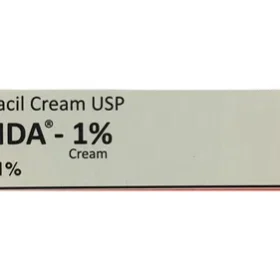 Flonida Cream
Vragen & antwoorden
Flonida Cream
Gerelateerde producten



Beoordelingen
Er zijn nog geen beoordelingen