








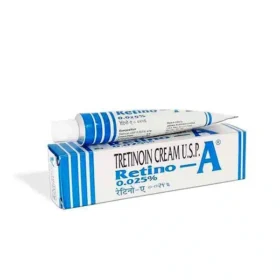
Retino A Cream




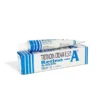


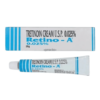
✅ Behandelt acne
✅ Vermindert rimpels
✅ Verbeterd de huidtextuur
✅ Maakt de huidtint gelijkmatig
✅ Bevordert huidvernieuwing
Retino A Cream bevat Tretinoin.
✓ Medisch beoordeeld door Morgan Ellis — Apotheekonderzoeker · 8 jaar ervaring · Laatst beoordeeld: mei 2026
⚡ Snelle vraag — Wat is Retino-A Cream?
), adapaleen-BPO-combinaties ( is een topische crème van Johnson & Johnson (Ortho) die bevat tretinoïne (all-trans retinoïnezuur) in 0,025% en 0,05%. Het is een op vitamine A gebaseerd voorschriftmiddel retinoïde gebruikt voor milde tot matige acne, comedonale acne (mee-eters en whiteheads), post-inflammatoire hyperpigmentatie na acne, en huidveroudering door zonlicht (fijne lijntjes, ongelijkmatige textuur, doffe teint). Breng een erwtgrote hoeveelheid aan op schone, droge huid eenmaal per nacht, bouw de tolerantie geleidelijk op en gebruik 's ochtends een dagelijkse SPF — tretinoïne maakt de huid zeer gevoelig voor de zon.
📦 Elke bestelling is gedekt door onze Reshipment Assurance-beleid — als uw pakket niet binnen 20 werkdagen arriveert, sturen wij het opnieuw.
Waarom bestellen bij MedsBase
Onze generieke medicijnen zijn afkomstig van WHO-GMP gecertificeerde fabrikanten en worden wereldwijd verzonden in discrete, eenvoudige verpakkingen — geen medicijnnaam op de buitenkant van het pakket. Betalingen met kaart worden verwerkt via een gereguleerde processor (betalingsoverzichten vermelden een gereguleerde kaartbetalingprocessor — nooit “MedsBase” of een medicijnnaam). Crypto en SEPA bankoverschrijvingen worden ook geaccepteerd. Elke bestelling wordt ondersteund door ons Reshipment Assurance Policy.
Wat is Retino-A Cream?
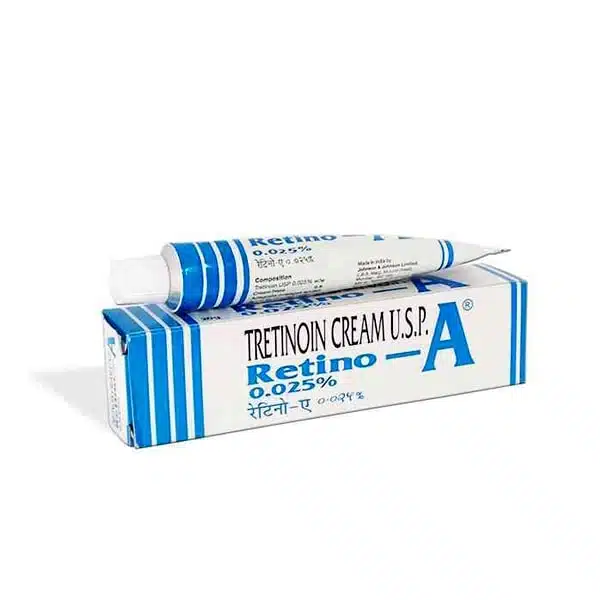
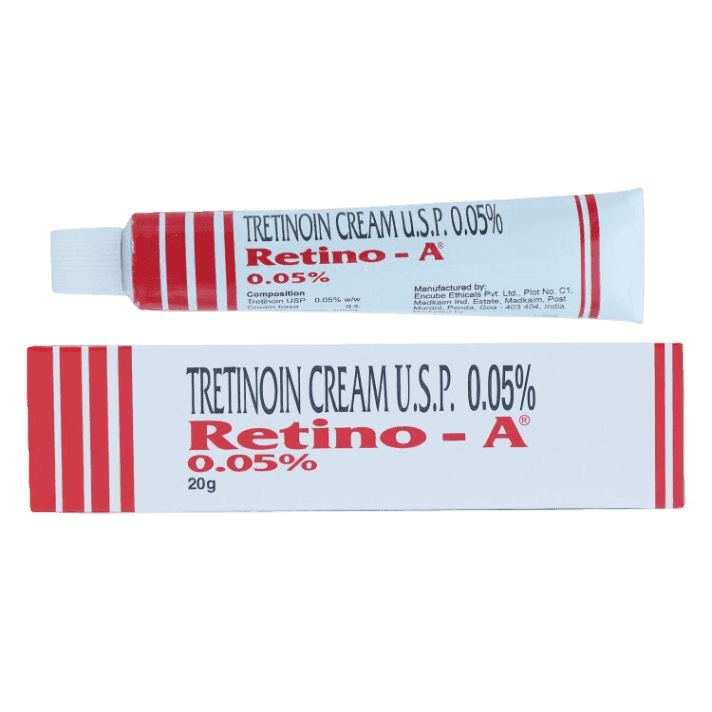
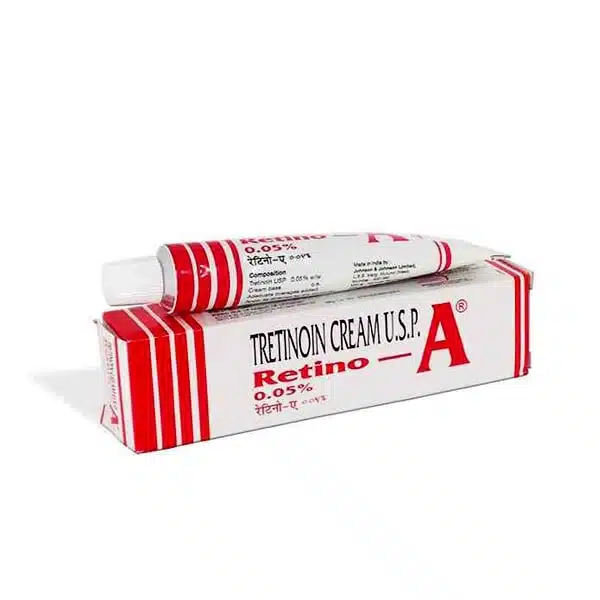
Retino-A Cream is een topische crème vervaardigd door Johnson & Johnson (Ortho). Elke tube bevat tretinoïne — de carbonzuurvorm van vitamine A en de gouden standaard voorschriftcrème voor acne en fotoverouderde huid — opgelost in een hydraterende crèmebasis. Retino-A Cream is het originele merknaam tretinoïne dat breed verkrijgbaar is in Azië en de meest voorgeschreven topische tretinoïne in India — hetzelfde tretinoïne molecuul als de Amerikaanse Retin-A, alleen vervaardigd door de Indiase tak van Johnson & Johnson.
Hoe werkt Retino-A Cream?
Tretinoïne bindt zich aan retinoïnezuurreceptoren (RAR-α, RAR-β, RAR-γ) in de keratinocyten van de huid en versnelt de vernieuwing van huidcellen die de porie bekleden. De vier praktische effecten die u na 8–16 weken in de spiegel ziet zijn:
- Comedolytisch — bestaande mee-eters en gesloten comedonen verdwijnen en vormen zich niet meer, omdat tretinoïne de keratineprop aan de porieopening voorkomt die talg vasthoudt.
- Ontstekingsremmend — kalmeert papels en pustels door de toll-like-receptor signalering in keratinocyten te onderdrukken.
- Pigment-modulerend — versnelt de afschilfering van melanine-rijke oppervlaktecellen, waardoor post-inflammatoire vlekken van oude puistjes vervagen.
- Collageen-stimulerend — verhoogt over maanden de productie van type-I en type-III collageen in de dermis, verzacht fijne lijntjes en verbetert de huidtextuur (het foto-verouderingsvoordeel).
U zult niet al binnen de eerste 2–4 weken een helderdere huid zien. Sterker nog, een “initiële zuivering” van microcomedonen die als nieuwe puistjes naar de oppervlakte komen, is gebruikelijk tussen week 2 en 6. Echte verbetering treedt op bij 8–12 weken, met volledig effect na 4–6 maanden van consistent dagelijks gebruik 's nachts.
Toepassingen en Indicaties
- Acne vulgaris — milde tot matige inflammatoire + comedonale acne. Eerstelijns monotherapie voor acne met voornamelijk mee-eters/whiteheads.
- Comedonale acne — gesloten comedonen op het voorhoofd, de kin en rond de mond.
- Post-inflammatoire hyperpigmentatie (PIH) — bruine vlekken achtergelaten door genezen acne, vooral bij huidtypen Fitzpatrick III–VI.
- Foto-veroudering — fijne rimpels, gevlekte hyperpigmentatie, ruwe textuur en een vale tint door cumulatieve UV-blootstelling.
- Onderhoud na isotretinoïne — topische tretinoïne is de standaard onderhoudsretinoïde na een succesvolle kuur met orale isotretinoïne (zie Isotroin).
Tretinoïne is niet een snelle spotbehandeling voor actieve puistjes en niet voor cystische/nodulaire acne — ernstige nodulocystische acne heeft meestal oraal isotretinoine in plaats daarvan.
Retino-A Cream Dosering en Toepassing
Retino-A Cream is verkrijgbaar in tubes van 20 g in sterktes van 0,025% en 0,05%. De meeste gebruikers beginnen met 0.025%; mensen met gevoelige of dunne huid moeten het mogelijk de eerste 2–4 weken verdunnen met een moisturizer. De 0,05% sterkte is gereserveerd voor hardnekkige acne of fotoveroudering zodra tolerantie is opgebouwd.
Hoe Retino-A Cream correct aan te brengen
- Was voorzichtig met een milde reiniger, en wacht 20–30 minuten totdat de huid volledig droog is. Het aanbrengen van tretinoïne op vochtige huid verhoogt de irritatie aanzienlijk.
- Knijp een erwtgrote hoeveelheid op een vingertop — het hele gezicht heeft niet meer nodig dan dit. Meer product werkt niet niet sneller, alleen meer irritatie.
- Breng kleine puntjes aan op het voorhoofd, beide wangen, neus en kin, verdeel dan dun. Vermijd de oogleden, de neusvleugels, de mondhoeken en de hals gedurende de eerste 4 weken.
- Optionele sandwichmethode voor gevoelige huid: breng moisturizer aan, wacht 5 minuten, breng Retino-A Cream aan, wacht 5 minuten, breng opnieuw moisturizer aan. Dit vermindert irritatie zonder de werkzaamheid significant te verminderen.
- Frequentie: start 2–3 nachten per week gedurende de eerste 2 weken, verhoog daarna naar om de andere nacht, vervolgens elke nacht naar verdraagzaamheid. De meeste mensen bereiken dagelijks gebruik tegen week 6–8.
- Dagelijkse ochtendbescherming met breedspectrum SPF 30+ is verplicht. Tretinoïne maakt de hoornlaag dunner en verwijdert UV-beschermende melaninepigmenten. Zonder zonnebrandcrème ontstaan hyperpigmentatie, voortijdige veroudering en verbranding — precies het tegenovergestelde van wat je wilde.
- Wees geduldig. Echte verbetering na 8–12 weken. Stop niet vanwege de beginnende huidzuivering.
Bijwerkingen van Retino-A Cream
Vaak voorkomend (verdwijnt meestal na 4–8 weken):
- Droge huid, schilfering, vervelling
- Prikkelend, branderig of warm gevoel bij aanbrengen (ergst in week 1–2)
- Roodheid of roze gloed (de “retinoïde gloed”)
- Eerste acne-opflakkering of “purge” in weken 2–6
- Verhoogde gevoeligheid voor zonlicht (zonnebrand door blootstelling die voorheen geen verbranding veroorzaakte)
Minder vaak:
- Eczeemachtige dermatitis bij te agressief gebruik
- Tijdelijke hyperpigmentatie (vlekken die donkerder lijken voordat ze vervagen) bij Fitzpatrick III–VI
- Hypopigmentatie in combinatie met hoge-percentage zuurpeelings
Bij ernstige irritatie (rauwe huid, vochtige plekken, uitbreidende uitslag):, stop gedurende 5–7 dagen, behandel met een milde vochtinbrenger en hervat met lagere frequentie.
Waarschuwingen en voorzorgsmaatregelen
- Zwangerschap: topical tretinoin is FDA Zwangerschapscategorie C. Systemische opname is laag (<2%), maar er zijn casusrapporten van geboorteafwijkingen. Niet gebruiken tijdens zwangerschap of bij pogingen om zwanger te worden. Als u zwanger wordt tijdens de behandeling, stop dan onmiddellijk en informeer uw verloskundige.
- Borstvoeding: vermijd — tretinoïne wordt in kleine hoeveelheden uitgescheiden in moedermelk.
- Eczeem, rosacea, zonnebrand: wacht tot de huid volledig is hersteld voordat u met tretinoïne begint.
- Harsen, epileren met draad, laserbehandelingen, chemische peelings: stop Retino-A Cream minstens 7–10 dagen voor een van deze. Combinatie kan de huid uitdrogen en rauwe plekken veroorzaken.
- Zon en UV-straling: vermijd langdurige blootstelling aan de zon en zonnebanken tijdens de behandeling. Gebruik dagelijks altijd SPF 30+.
- Andere plaatselijke irriterende stoffen: vermijd combinatie met benzoylperoxide in dezelfde stap (breekt tretinoïne af), hoge concentraties AHA’s/BHA’s, alcoholtoners of astringentia gedurende de eerste 8 weken.
Contra-indicaties — Wie moet Retino-A Cream NIET gebruiken
- Bekende overgevoeligheid voor tretinoïne, retinoïden of enig bestanddeel van de crème/gelbasis
- Zwangere vrouwen, vrouwen die zwanger proberen te worden, of moeders die borstvoeding geven
- Actief eczeem, ernstige rosacea, beschadigde huid of huilend eczeem op het te behandelen gebied
- Gelijktijdig gebruik van orale isotretinoïne (overlappend retinoïdeffect is niet nodig)
- Kinderen onder de 12 jaar (veiligheid bij jongere leeftijden niet vastgesteld voor cosmetische indicaties)
Interacties tussen medicijnen en huidverzorging
| Combineren met | Effect | Wat te doen |
|---|---|---|
| Benzoylperoxide | Oxideert en degradeert tretinoïne indien tegelijkertijd aangebracht (met uitzondering van adapaleen-gebaseerde BPO-formuleringen die stabiel zijn) | Gebruik BPO 's ochtends, tretinoïne 's avonds — nooit gelijktijdig |
| AHAs (glycolzuur, melkzuur, amandelzuur) | Verhoogt irritatie en barrièreschade | Vermijd gedurende de eerste 8 weken; daarna alleen om de avonden |
| Salicylzuur (BHA) | Overlap van irritatie, plus salicylzuur is keratolytisch bovenop de exfoliatie van tretinoïne | Gebruik alleen BHA-was (<30 sec contact); vermijd leave-on BHA-serums in dezelfde routine |
| Vitamine C (L-ascorbinezuur) | Beiden verlagen de huid-pH; kan prikken indien gelaagd | Gebruik vitamine C 's ochtends, tretinoïne 's avonds — deze combinatie is verder uitstekend |
| Topische clindamycine / erytromycine | Synergetisch voor inflammatoire acne; goed verdragen | Antibioticum 's ochtends, tretinoïne 's avonds. Zie Clincitop Gel. |
| Orale isotretinoïne | Overlappend systemisch + topisch retinoïdeffect — niet additief, alleen meer bijwerkingen | Stop met topische retinoïden tijdens een kuur met orale isotretinoïne |
Bewaaradvies
- Bewaren bij kamertemperatuur, 15–25°C. Niet in de koelkast of vriezer bewaren.
- Houd de tube goed gesloten. Tretinoïne wordt afgebroken door lucht, licht en warmte.
- Bewaar niet in de badkamer (vochtigheid en warmte verkorten de houdbaarheid).
- Gooi weg 6 maanden na eerste opening, zelfs als er nog product in de tube zit.
- Buiten bereik van kinderen en huisdieren houden.
Gerelateerde alternatieven op MedsBase
Andere topische en orale acnebehandelingen die naast dit product worden aangeboden:
- Retino-A Micro Gel (tretinoïne microsferen 0,04% / 0,1%)
- Tretiheal Crème (tretinoïne 0,025% / 0,05% / 0,1%)
- Tretinex Crème (tretinoïne 0,025%)
- Tazret Forte Crème (tazaroteen 0,1%)
- Epiduo Gel (adapalene + benzoylperoxide)
- Deriva CMS Gel (adapaleen + clindamycine + moisturizer)
- Clincitop Gel (clindamycine 1%)
- Isotroin (oraal isotretinoïne 5/10/20/30 mg)
Handige lectuur: Tretinoïne crème vs gel — welke formulering past bij u? · Isotretinoïne versus tretinoïne — de praktische verschillen · Tretinoïne versus retinol · Alles wat je wilt weten over acne.
Veelgestelde vragen
Wanneer zie ik resultaten van Retino-A Cream?
Reken op de lange termijn. Acne-uitbarstingen kunnen overheersen in week 2–6. Echte, zichtbare verbetering in de spiegel komt in week 8–12. Volledig effect (gladdere textuur, vervaagde vlekken, minder uitbraken) rond maand 4–6. Voordelen tegen foto-veroudering nemen 6–12 maanden in beslag. Vroegtijdig stoppen is de meest voorkomende reden waarom mensen denken dat tretinoïne “niet werkt”.
Is de eerste acne-uitbarsting normaal? Moet ik stoppen?
Ja, heel normaal — treft ongeveer 60% van de gebruikers tussen week 2 en 6. Tretinoïne brengt comedonen die al onder de huid vormden sneller naar de oppervlakte. Niet stoppen. De uitbarsting lost vanzelf op en wordt gevolgd door een heldere huid. Als de uitbraken ernstig zijn, verminder dan naar om de andere nacht tot de uitbarsting afneemt, en hervat daarna elke nacht.
Kan ik Retino-A Cream gebruiken met een moisturizer?
Ja, en dat zou je ook moeten doen. Breng een geurvrije moisturizer aan vóór of na tretinoïne. De “sandwich-methode” (moisturizer, wachten, tretinoïne, wachten, moisturizer) wordt goed verdragen en vermindert de effectiviteit niet significant. Vermijd actieve ingrediënten in je moisturizer gedurende de eerste 4 weken — kies voor een eenvoudige ceramide- of hyaluronzuurbasis.
Moet ik echt elke ochtend zonnebrandcrème gebruiken?
Ja — dit is niet onderhandelbaar. Tretinoïne maakt de bovenste huidlaag dunner en vermindert de beschermende melanine-laag over keratinocyten, waardoor UV-schade harder aankomt. Het overslaan van dagelijkse SPF 30+ veroorzaakt hyperpigmentatie, voortijdige veroudering en gemakkelijk verbrande huid. Breng opnieuw aan als je buiten bent. Lange mouwen en een hoed bij langdurige blootstelling aan de zon zijn verstandig.
Kan ik Retino-A Cream op mijn lichaam gebruiken (borst, rug, armen)?
Ja, maar de huid van het lichaam is dikker en reageert langzamer, dus reken op 12+ weken voor resultaten. Bedek behandelde lichaamsdelen tegen de zon. Vermijd oksels, liezen en andere dunne huidplooien. Tretinoïne is ook nuttig voor keratosis pilaris op de bovenarmen.
Is Retino-A Cream veilig tijdens de zwangerschap?
Nee. Topicale tretinoïne is FDA Zwangerschapscategorie C en mag niet worden gebruikt tijdens de zwangerschap of bij pogingen om zwanger te worden. Systemische absorptie is laag, maar er bestaan casusrapporten van geboorteafwijkingen. Stop onmiddellijk als je zwanger wordt tijdens de behandeling en informeer je verloskundige. Schakel over naar azelaïnezuur (veilig tijdens zwangerschap) voor acne.
Kan ik harsen, laserontharing ondergaan of een chemische peeling laten doen terwijl ik Retino-A Cream gebruik?
Nee — pauzeer voor 7–10 dagen vóór elke waxbehandeling, threading, laserontharing, dermaplaning, microneedling, IPL of chemische peeling, en hervat pas nadat de huid volledig hersteld is (meestal nog 5-7 dagen). Het combineren ervan verwijdert de huid en veroorzaakt rauwe plekken die weken nodig hebben om te genezen.
Moet ik de crème- of gelvorm van tretinoïne kiezen?
Crème is hydraterend en beter voor normale tot droge huid en beginners. Gel is lichter, droogt sneller en wordt beter opgenomen door een vette huid en op de borst/rug, maar is uitdrogender en soms irriterender. Zie onze volledige uitleg: Tretinoïne crème versus gel.
Retino-A Cream versus orale isotretinoïne — welke is geschikt voor mij?
Topicale tretinoïne is de juiste keuze voor milde tot matige acne, comedonale acne en post-acne vlekken. Orale isotretinoïne (Isotroin) is voorbehouden aan ernstige nodulocystische acne, littekenvormende acne, of acne die na 6+ maanden topicale behandeling plus orale antibiotica niet verbeterd is. Vergelijk beide: Isotretinoïne versus tretinoïne — de praktische verschillen.
Gerelateerde alternatieven
Andere producten in Behandeling van acne die klanten ook bekijken:
📚 Meer informatie: Hoe Tretinoine Online te Kopen Zonder Recept (2026 Gids)
📖 Volledige gids voor tretinoïne: Hoe Tretinoïne Online te Kopen Zonder Recept — Sterktes, Formuleringen & Wat te Verwachten
Veelgestelde vragen
Is tretinoïne verkrijgbaar zonder recept?
Tretinoïne is een receptplichtig medicijn in de Verenigde Staten, het VK en het grootste deel van West-Europa. In veel andere landen — inclusief India, waar MedsBase zijn producten inkoopt — is het zonder recept verkrijgbaar. MedsBase verzendt tretinoïneproducten internationaal; er is geen recept nodig om te bestellen.
Met welke sterkte tretinoïne moet ik beginnen?
Begin met de laagste effectieve concentratie: 0.025% crème voor de meeste beginners, vooral voor diegenen met een droge of gevoelige huid. Zodra tolerantie is vastgesteld (meestal 8–12 weken), kan worden overgestapt op 0.05% voor een betere werkzaamheid. De sterkte van 0.1% is bedoeld voor ervaren gebruikers die ernstige foto-veroudering of acne behandelen. Gelformuleringen zijn over het algemeen droger dan crèmes en beter geschikt voor een vette of acne-gevoelige huid.
Wat is de tretinoine-purge en hoe lang duurt het?
De “purge” is een initiële verergering van puistjes die optreedt in de eerste 4–8 weken van tretinoinegebruik. Tretinoine versnelt de celvernieuwing van de huid, waardoor microcomedonen (verstopte follikels die zich al onder het oppervlak vormen) sneller aan de oppervlakte komen dan natuurlijk het geval zou zijn. De purge is tijdelijk en een teken dat het medicijn werkt. Het verdwijnt meestal na 6–10 weken, waarna gebruikers een blijvende verbetering zien.
Kan ik tretinoine gebruiken met zonnebrandcrème?
Ja — zonnebrandcrème is essentieel, niet optioneel, bij het gebruik van tretinoine. Tretinoine verhoogt de gevoeligheid voor zonlicht aanzienlijk. Breng elke ochtend een breedspectrum SPF 30+ zonnebrandcrème aan, vermijd langdurige blootstelling aan de zon en draag beschermende kleding buitenshuis. Tretinoine wordt het best ’s avonds aangebracht; de ochtendroutine moet eindigen met zonnebrandcrème.
Hoe lang duurt het voordat tretinoine resultaten laat zien?
De meeste gebruikers zien de eerste tekenen van verbetering (minder nieuwe puistjes, gladder textuur) na 8–12 weken. Volledige anti-verouderingsvoordelen (collageenstimulatie, vermindering van fijne lijntjes, verbeterde pigmentatie) ontstaan na 6–12 maanden consistent gebruik. Tretinoine is een behandeling voor de lange termijn — vroegtijdig stoppen betekent het verlies van het meeste voordeel.
Meer opties in acnebehandeling
Gerangschikt op recente bestelvolumes van MedsBase — wat andere klanten in deze categorie kiezen.
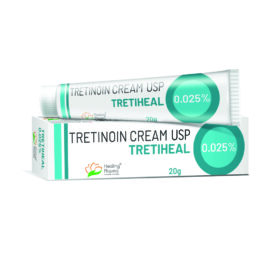
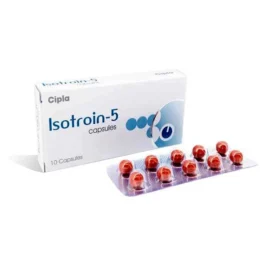


| Sterkte | 0.025%(20 gm), 0.05%(20 gm) |
|---|---|
| Hoeveelheid | 1 Tube, 2 Tube/s, 3 Tube/s, 6 Tube/s |
 Retino A Cream
Vragen & antwoorden
Retino A Cream
Gerelateerde producten












Beoordelingen
Er zijn nog geen beoordelingen