







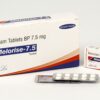
Melanocyl

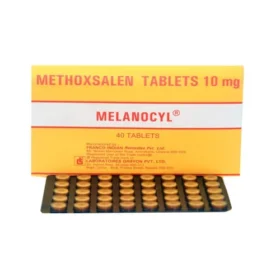
Melanocyl bevat methoxsalen (8-methoxypsoralen, 8-MOP) 10 mg tabletten — een furocoumarine psoraleen dat wordt gebruikt als orale fotosensibilisator bij PUVA (psoraleen + UVA) fotochemotherapie. Indicaties: vitiligo, uitgebreide plaque psoriasis, mycosis fungoides (cutaan T-cel lymfoom), ernstig atopisch eczeem. Dosering 0,4–0,6 mg/kg 2 uur voor UVA-blootstelling. Verplicht 24 uur UVA-blokkerende oogbescherming na elke dosis. Specialistisch dermatologisch gebruik — niet voor zelfbehandeling.
✓ Medisch beoordeeld door Morgan Ellis — Apotheekonderzoeker · 8 jaar ervaring · Laatst beoordeeld: mei 2026
⚡ Kort antwoord — Wat is Melanocyl?
Melanocyl bevat methoxsalen (8-methoxypsoralen, 8-MOP) 10 mg tablets van Elder Pharmaceuticals. Methoxsalen is een furocoumarine psoraleen — een fotosensibiliserend geneesmiddel dat oraal wordt ingenomen (of topisch wordt aangebracht) voor gecontroleerde blootstelling aan ultraviolet-A (UVA) licht. De combinatie wordt genoemd PUVA (psoraleen + UVA) fotochemotherapie. Het wordt gebruikt voor vitiligo, uitgebreide matige tot ernstige psoriasis, mycosis fungoides (cutaan T-cel lymfoom) en ernstig atopisch eczeem die niet hebben gereageerd op eerstelijns topische therapie. Methoxsalen is geen behandeling voor rosacea. De dosering is typisch 0,4–0,6 mg/kg ingenomen 2 uur voor UVA-blootstelling, 2–3 keer per week. Neem altijd in met voedsel of melk om misselijkheid te verminderen. Strikt UV-beschermende oogbescherming en huidbescherming gedurende 24 uur na elke dosis — gewoon zonlicht door een raam kan ernstige brandwonden veroorzaken tijdens het fotosensitieve venster. PUVA heeft goed gedocumenteerde langetermijnrisico's: foto-veroudering, staar (bij onvoldoende oogbescherming) en een verhoogd risico op huidkanker bij hoge cumulatieve doses.
📦 Elke bestelling is gedekt door onze Reshipment Assurance-beleid — als uw pakket niet binnen 20 werkdagen arriveert, sturen wij het opnieuw.
Waarom bestellen bij MedsBase
Onze generieke medicijnen zijn afkomstig van WHO-GMP gecertificeerde fabrikanten en worden wereldwijd verzonden in discrete, eenvoudige verpakkingen — geen medicijnnaam op de buitenkant van het pakket. Betalingen met kaart worden verwerkt via een gereguleerde processor (betalingsoverzichten vermelden een gereguleerde kaartbetalingprocessor — nooit “MedsBase” of een medicijnnaam). Crypto en SEPA bankoverschrijvingen worden ook geaccepteerd. Elke bestelling wordt ondersteund door ons Reshipment Assurance Policy.
Wat is Melanocyl?
Melanocyl is een orale tablet die bevat methoxsalen 10 mg (ook bekend als 8-methoxypsoralen of 8-MOP), geproduceerd door Elder Pharmaceuticals. Methoxsalen is een van nature voorkomend furocoumarine dat oorspronkelijk werd geëxtraheerd uit de zaden van Ammi majus (bisschopskruid) en wordt sinds de jaren 1970 gebruikt in de dermatologie in de vorm van PUVA-fotochemotherapie (psoralen + ultraviolet-A).
Methoxsalen zelf is inert — het wordt alleen farmacologisch actief wanneer de huid wordt blootgesteld aan UVA-licht (320–400 nm). Het UVA-geactiveerde psoralen bindt zich aan DNA in cellen binnen de bestraalde huid en verbindt pyrimidinebasen, wat celproliferatie onderdrukt (het mechanisme voor psoriasis), vitiligo repigmenteert door melanocytmigratie te stimuleren en een cytotoxisch effect heeft op huidinfiltrerende T-lymfocyten (het mechanisme voor mycosis fungoides).
Goedgekeurde / evidence-based toepassingen
- Vitiligo (uitgebreide, stabiele, niet-segmentale type) — orale PUVA stimuleert perifolliculaire melanocytmigratie; responspercentages van 40–75% over 12–24 maanden behandeling. Vaak gecombineerd met plaatselijke steroïden of tacrolimus voor gelokaliseerde vitiligo.
- Plaque psoriasis (matig tot ernstig, >10% lichaamsoppervlak) — orale PUVA wordt nog steeds gebruikt wanneer smalband UVB of biologicals falen of niet beschikbaar zijn.
- Mycosis fungoides (cutaan T-cellymfoom, vroege fase) — eerstelijns dermatologische behandeling.
- Ernstige atopische dermatitis refractair voor plaatselijke therapie — minder gebruikelijk vanwege moderne systemische opties (dupilumab, JAK-remmers).
- Palmoplantaire pustulose en ernstige hand-/voetdermatitis
- Polymorfe lichteruptie — gebruikt als profylaxe als onderdeel van een voorjaarsdesensibilisatieprotocol (paradoxaal maar effectief).
- Graft-versus-hostziekte (extracorporele fotoforese-protocol)
Geen geschikte behandeling voor: rosacea, acne, eenvoudig eczeem (eerst topicale middelen), hyperpigmentatie (methoxsalen verergert pigmentatie door stimulatie van melanocyten), melasma.
Melanocyl Dosering & Behandelprotocol
Methoxsalen is een specialistisch dermatologisch geneesmiddel dat wordt gebruikt als onderdeel van een gecontroleerd UVA-blootstellingsprotocol. Het is niet bedoeld voor onafhankelijk of zelfstandig gebruik — PUVA-behandeling vereist een UVA-lichtcabinet (te vinden in dermatologiecentra of huureenhedenprogramma's onder dermatologisch toezicht) en zorgvuldige monitoring van de cumulatieve UVA-dosis, joule-per-vierkante-centimeterregistraties en huidbewaking.
Typisch oraal protocol:
- Dosering: 0,4–0,6 mg/kg lichaamsgewicht, 2 uur voor de UVA-sessie ingenomen
- Frequentie: 2–3 behandelingen per week, niet-opvolgende dagen
- UVA-dosis: afgestemd op huidtype; start laag (0,5–1 J/cm² voor huidtype I-II, tot 3 J/cm² voor type IV-VI) en verhoog met 10–20% per sessie
- Sessieduur: seconden tot minuten afhankelijk van lampintensiteit en doeldosis
- Totale kuur: 20–50 sessies voor psoriasis, 100–300 sessies voor vitiligo
- Maximale levenslange cumulatieve UVA: ongeveer 1.000–1.500 J/cm² (of 200 sessies) — hierboven begint het risico op huidkanker meetbaar toe te nemen
Elke dosis moet worden gevolgd door 24 uur fotoprotectie:
- UVA-blokkerende omhullende zonnebril gedurende 24 uur na elke dosis — verplicht, zelfs binnenshuis bij ramen. Methoxsalen-geïnduceerde cataract is een reële, gedocumenteerde complicatie van overgeslagen oogbescherming.
- Breedspectrum zonnebrandcrème SPF 50+ op elke niet-doelhuid
- Lange mouwen, broek, breedgerande hoed bij buitenshuis
- Vermijd zonnebanken en solariums, lasbogen op PUVA-dagen
Neem elke dosis in met voedsel, melk of een vette snack om misselijkheid te verminderen — de meest voorkomende acute bijwerking.
Bijwerkingen
Acuut (komt vaak voor in de eerste weken):
- Misselijkheid (tot 20% van de gebruikers) — verminder door in te nemen met voedsel of de dosis te splitsen indien nodig
- Pruritus (jeuk na PUVA) — tijdelijk; antihistaminicum helpt
- Erytheem / zonnebrandachtige reactie — duidt op overmatige blootstelling; UVA-dosis moet worden verlaagd
- Hoofdpijn, duizeligheid
- Slapeloosheid, angst (zeldzaam; stimulerend effect)
Subacuut (weken tot maanden):
- PUVA-geïnduceerde bruining (verwacht; vervaagt in weken tot maanden na stopzetting van de behandeling)
- PUVA-lentigines (sproetachtige donkere vlekken, vooral op de romp)
- Foto-veroudering — vroegtijdige rimpels, elastose, teleangiëctasieën
- Hypertrichose (toename van fijne haargroei)
- Onycholyse (nagelloslating)
Langetermijnrisico's bij hoge cumulatieve blootstelling:
- Niet-melanoom huidkanker — het risico op plaveiselcelcarcinoom neemt toe met de cumulatieve UVA-dosis; wordt klinisch significant boven ≈200 behandelingen of 1.000 J/cm² levenslange totale blootstelling
- Melanoom — verhoogd risico bij zeer hoge cumulatieve blootstelling (>250 behandelingen); lange latentieperiode (15–25 jaar)
- Cataract door onvoldoende oogbescherming tijdens het 24-uurs fotosensitieve venster
- Onderdrukte celgemedieerde immuniteit kort na de behandeling (zelden klinisch relevant)
Contra-indicaties
- Fotosensitiviteitsstoornissen — lupus erythematosus, porfyrie, xeroderma pigmentosum, Bloom-syndroom, Cockayne-syndroom
- Zwangerschap (categorie C — teratogeen bij dieren) en borstvoeding
- Kinderen onder de 12
- Actieve huidkanker of voorgeschiedenis van melanoom
- Leverfunctiestoornis (methoxsalen wordt in de lever gemetaboliseerd)
- Ernstige nier- of hart- en vaatziekten
- Cataract (tenzij volledige lensvervanging heeft plaatsgevonden)
- Eerdere behandeling met arseen of ioniserende straling (verhoogt aanzienlijk het risico op cutane carcinogenese)
- Bekende overgevoeligheid voor psoralenen of furocoumarinen
Voedsel- en geneesmiddeleninteracties
Psoralenen zijn fotosensibilisatoren. Elk ander fotosensibiliserend middel dat gelijktijdig wordt ingenomen, verhoogt het risico:
- Tetracyclines, fluoroquinolonen, sulfonamiden
- Amiodaron, hydrochloorthiazide, furosemide
- NSAID's (piroxicam)
- Fenothiazinen
- Sint-janskruid
- Retinoïden
Voedingsmiddelen rijk aan furocoumarinen (selderij, peterselie, pastinaak, vijgen, citrusenschillen) kunnen ook fototoxiciteit verergeren; beperk deze op behandelingsdagen.
Opslag
Bewaren onder 25°C in de originele blisterverpakking. Beschermen tegen licht en vocht. Buiten bereik van kinderen houden.
Veelgestelde vragen
Kan ik Melanocyl gebruiken voor rosacea?
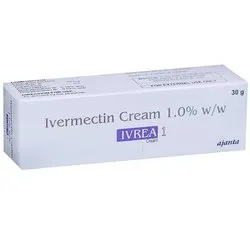
Nee. Methoxsaleen is een fotosensibilisator en een PUVA-middel — het heeft geen rol bij rosacea. UV-geïnduceerde blozen is zelfs een bekende trigger voor rosacea, dus methoxsaleen-geïnduceerde fotosensibilisatie kan rosacea verergeren. Voor rosacea, zie de eerstelijnsopties — topical ivermectin, azelaic acid, brimonidine gel.
Kan ik PUVA thuis doen?
Er bestaan thuismodellen voor PUVA, meestal te huur via dermatologische diensten, maar zelfstandige PUVA-behandeling zonder dermatologisch toezicht wordt sterk afgeraden. De cumulatieve UVA-dosis moet worden bijgehouden, huidcontrole voor nieuwe atypische laesies is essentieel, en dosisaanpassingen op basis van erytheemrespons maken deel uit van het protocol. PUVA starten zonder dosimetrie is de belangrijkste oorzaak van acute brandwonden, oogletsel en een verhoogd risico op huidkanker.
Hoelang duurt het voordat ik resultaten zie?
Psoriasis: meetbare verbetering na 8–12 sessies; volledige clearing na 20–30 sessies. Vitiligo: eerste repigmentatie na 30–50 sessies; cosmetisch significante repigmentatie na 100–200 sessies over 6–12 maanden. Mycosis fungoides: respons in vroege stadia binnen 10–20 sessies. Responspercentages en duur variëren per huidtype, lichaamsdeel en ernst van de aandoening.
Waarom moet ik 24 uur een zonnebril dragen?
Methoxsalen circuleert ongeveer 24 uur na elke dosis in de ooglens. Gedurende die periode kan omgevings-UVA-licht (zelfs gewoon zonlicht door een raam) de psoraleen in de lens foto-activeren en lensproteïnen cross-linken, wat cataract veroorzaakt. UVA-blokkerende omhullende zonnebrillen tijdens deze 24-uur periode zijn niet optioneel — ze zijn de enige bescherming.
Wordt PUVA nog gebruikt in 2026?
Minder dan voorheen. Smalband-UVB (311 nm) heeft PUVA vervangen als eerstelijnsfototherapie voor de meeste plaque psoriasis en veel vitiligopatiënten — vergelijkbare effectiviteit met aanzienlijk lager huidkankerrisico, geen orale psoraleen nodig en geen fotosensitief venster. PUVA blijft nuttig voor mycosis fungoides, ernstige therapieresistente psoriasis, vitiligo die niet reageert op NB-UVB, en palmoplantaire aandoeningen.
Mag ik Melanocyl gebruiken als ik zwanger ben?
Nee. Methoxsalen is FDA Zwangerschapscategorie C; het is teratogeen in dierstudies. Vermijd tijdens zwangerschap en borstvoeding. Voor vitiligo of psoriasis tijdens zwangerschap is lokale corticosteroidtherapie onder dermatologische begeleiding of smalband-UVB (zonder psoraleen) het aangewezen alternatief.
Wat zijn de alternatieven voor PUVA bij vitiligo?
Smalband-UVB (311 nm) fototherapie, topische calcineurineremmers (tacrolimus 0,1%), kortdurende topische steroïden, JAK-remmers (ruxolitinib 1,5% crème, FDA-goedgekeurd in 2022 voor niet-segmentale vitiligo). Chirurgische technieken (melanocytentransplantatie) voor stabiele segmentale vitiligo.
Waar kan ik Melanocyl online kopen?
U kunt Melanocyl (methoxsalen 10 mg tabletten) kopen bij MedsBase met discrete verpakking en wereldwijde verzending. PUVA is een gespecialiseerde dermatologische behandeling — gebruik onder dermatologisch toezicht met juiste UVA-dosimetrie en oogbescherming.
Gerelateerde behandelingen op MedsBase
- Melalite Forte — Hydroquinon 4%
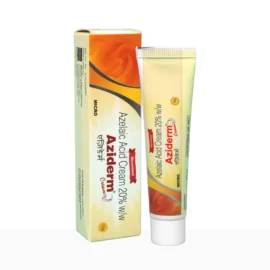
- Aziderm Crème — Azelaïnezuur 20%
- Eukroma Crème — Hydroquinon 4%
- Tri-Luma Crème — Kligman Triple Combo
- Kojiglo Gel — Kojic Acid
- Bekijk alle Beauty & Huidverzorging
Gerelateerde alternatieven
Andere producten in Chronische aandoeningen die klanten ook bekijken:
Meer opties in Rosacea Behandeling
Gerangschikt op recente bestelvolumes van MedsBase — wat andere klanten in deze categorie kiezen.

| Sterkte | 10 mg |
|---|---|
| Hoeveelheid | 40 tabletten, 80 tabletten, 120 tabletten, 240 tabletten |
 Melanocyl
Vragen & antwoorden
Melanocyl
Gerelateerde producten



Beoordelingen
Er zijn nog geen beoordelingen