








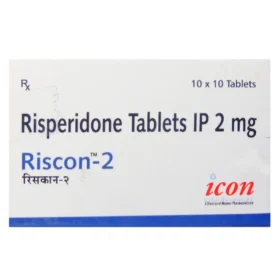
Riscon
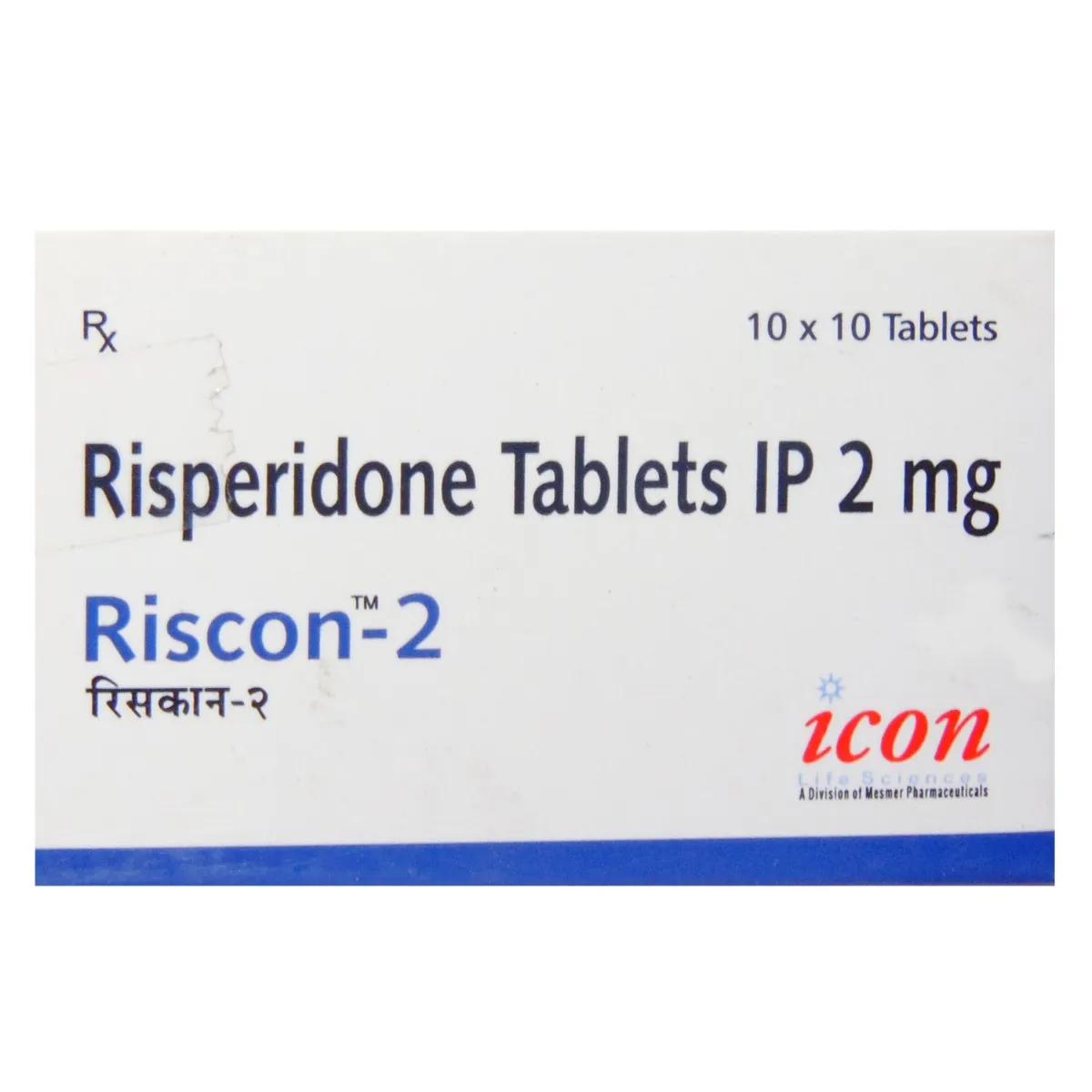
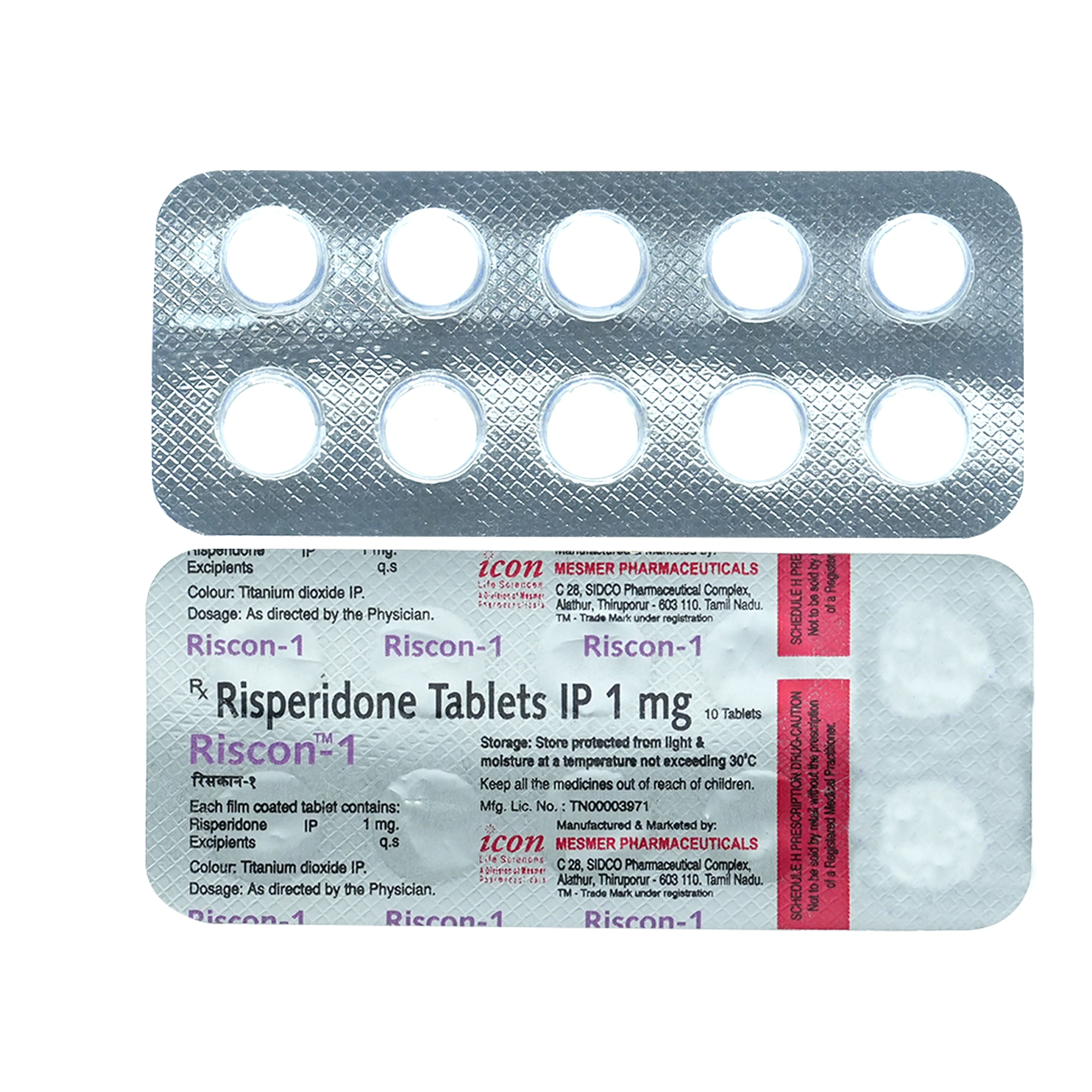
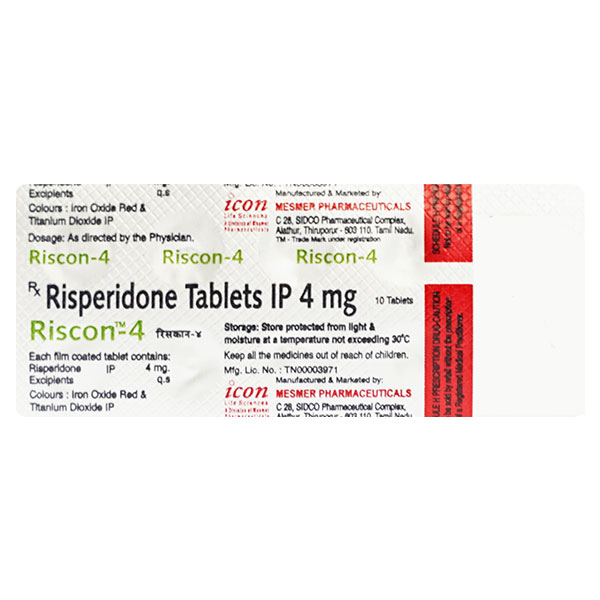
✅ Beheer van psychose
✅ Stemmingsstabilisatie
✅ Vermindering van hallucinaties
✅ Beheersing van wanen
✅ Verbeterde cognitieve functie
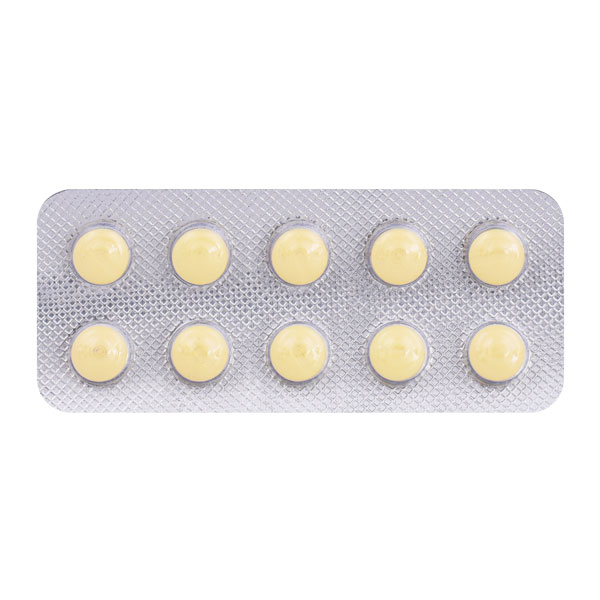
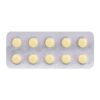
Riscon bevat Risperidon.
✓ Medisch beoordeeld door Morgan Ellis — Apotheekonderzoeker · 8 jaar ervaring · Laatst beoordeeld: mei 2026
⚡ Snelle uitleg — Wat is Riscon?
Riscon bevat risperidon van een WHO-GMP gecertificeerde fabrikant (Sun Pharma) — een van de meest voorgeschreven atypische antipsychotica wereldwijd. FDA-goedgekeurd voor schizofrenie (volwassenen en adolescenten 13+), bipolaire manie (volwassenen en leeftijden 10+), en prikkelbaarheid bij autisme (kinderen 5+). Werkingsmechanisme: sterke D2 + 5-HT2A antagonisme. Standaard dosis voor volwassenen: 2–6 mg/dag (start met 0,5–1 mg, doseer geleidelijk op). Kenmerkende bijwerkingen: hoogste hyperprolactinemie van de atypische antipsychotica (galactorroe, gynaecomastie, amenorroe, seksuele disfunctie); EPS bij doses > 6 mg/dag (atypisch → typisch “crossover” gedrag); matige metabole belasting. FDA black box voor sterfte bij ouderen met dementie.
📦 Elke bestelling is gedekt door onze Reshipment Assurance-beleid — als uw pakket niet binnen 20 werkdagen arriveert, sturen wij het opnieuw.
Waarom bestellen bij MedsBase
Onze generieke medicijnen zijn afkomstig van WHO-GMP gecertificeerde fabrikanten en worden wereldwijd verzonden in discrete, eenvoudige verpakkingen — geen medicijnnaam op de buitenkant van het pakket. Betalingen met kaart worden verwerkt via een gereguleerde processor (betalingsoverzichten vermelden een gereguleerde kaartbetalingprocessor — nooit “MedsBase” of een medicijnnaam). Crypto en SEPA bankoverschrijvingen worden ook geaccepteerd. Elke bestelling wordt ondersteund door ons Reshipment Assurance Policy.
Wat Is Riscon?
Riscon is een orale tablet van risperidon geproduceerd door Sun Pharma. Risperidon (US merk Risperdal) werd gelanceerd door Janssen in 1993 en is een van de meest voorgeschreven atypische antipsychotica wereldwijd. Het is een strakke D2 en 5-HT2A -antagonist met extra alpha-1, alpha-2 en H1 blokkade. Strakkere D2 binding dan andere atypische middelen betekent dat risperidon bij hogere doseringen meer lijkt op een eerste generatie antipsychoticum — met EPS-risico boven 6 mg/dag. Het actieve metaboliet paliperidon (9-OH-risperidon) draagt veel bij aan het klinische effect en wordt zelf apart op de markt gebracht als Invega.
Goedgekeurde indicaties
- Schizofrenie — volwassenen en adolescenten (leeftijd 13+)
- Bipolaire manie (acuut) — volwassenen en kinderen (leeftijd 10+); monotherapie of in combinatie met lithium / valproaat
- Prikkelbaarheid geassocieerd met autistische stoornis — kinderen (leeftijd 5+); agressie, zelfverwondend gedrag, ernstige woedeaanvallen
- Off-label: gedragsstoornissen bij dementie (zeer voorzichtig gebruiken — black-box waarschuwing), syndroom van Tourette, therapieresistente depressie, OCD-augmentatie
Dosering
| Indicatie | Start | Streefdosering | Maximum | Opmerkingen |
|---|---|---|---|---|
| Schizofrenie (volwassenen) | 1 mg BID of 2 mg HS | 4–8 mg/dag | 16 mg/dag | De meeste voorschrijvers blijven tussen 2–6 mg/dag — het risico op EPS neemt sterk toe boven 6 mg/dag |
| Schizofrenie (adolescenten 13+) | 0,5 mg voor het slapen | 3 mg/dag | 6 mg/dag | Standaard doel voor adolescenten |
| Bipolaire manie (volwassenen) | 2–3 mg voor het slapen | 1–6 mg/dag | 6 mg/dag | Eenmaal daags voor het slapen is gebruikelijk |
| Prikkelbaarheid bij autisme (5–16 jr, < 20 kg) | 0,25 mg/dag | 0,5–3 mg/dag op basis van gewicht | — | Langzame titratie; herbeoordeling na 4–6 weken |
| Ouderen | 0,25–0,5 mg 2x daags | 1–2 mg/dag | — | Significante orthostase en valrisico; black-box waarschuwing voor dementie |
| Lever-/nierfunctiestoornis | 0,5 mg 2x daags | Langzamere titratie | — | Halveer de gebruikelijke dosisverhogingen |
Bijwerkingen
Bijwerkingenprofiel
| Frequentie | Effect | Opmerkingen |
|---|---|---|
| Vaak voorkomend | Hyperprolactinemie | Hoogste van de atypische antipsychotica — galactorroe, gynaecomastie, amenorroe, seksuele disfunctie; controleer prolactine bij symptomen |
| Vaak voorkomend | Sedatie, vermoeidheid | Matig; minder dan quetiapine |
| Vaak voorkomend | Gewichtstoename | Matig (3–5 kg over 12 maanden) |
| Vaak voorkomend | Orthostatische hypotensie | Alpha-1-blokkade |
| Vaak (dosisafhankelijk) | Extrapiramidale symptomen (akathisie, parkinsonisme, dystonie) | Hoger dan andere atypische antipsychotica; significant boven 6 mg/dag |
| Vaak voorkomend | Anticholinerg (droge mond, obstipatie) | Mild |
| Minder vaak voorkomend | Metabool syndroom (glucose, lipiden) | Matig — minder dan olanzapine/quetiapine; basislijn + monitoring |
| Minder vaak voorkomend | Tardieve dyskinesie | Lager dan eerste generatie antipsychotica; risico neemt toe met duur |
| Minder vaak voorkomend | QT-verlenging | Mild — minder dan ziprasidon |
| Zeldzaam | Neuroleptisch maligne syndroom | Spoedgeval |
| Zeldzaam | Beroerte/TIA bij ouderen | Black-box waarschuwing voor dementie |
Geneesmiddelinteracties
CYP2D6-substraat: niveaus stijgen met sterke remmers (paroxetine, fluoxetine, bupropion, quinidine) — verlaag dosis. CYP3A4-induceerders (carbamazepine, rifampine, fenytoïne) verlagen niveaus — hogere dosis nodig.
Additieve sedatie/orthostase: alcohol, benzodiazepines, opioïden, antihypertensiva.
QT-verlenging: voorzichtigheid geboden met citalopram (hoge dosis), ondansetron, methadon.
Anti-Parkinson medicatie: antagonisme — risperidon D2 blokkade vermindert dopaminerge effect van levodopa, ropinirol, pramipexol.
Hyperprolactinemie — het Risperidon Probleem
Risperidon is het meest prolactine-verhogende atypische antipsychoticum. Het mechanisme is tuberoinfundibulaire D2 blokkade in de hypofyse, wat de normale remming van prolactineafgifte door dopamine opheft. Klinische gevolgen:
- Vrouwen: amenorroe of oligomenorroe, galactorroe, seksuele disfunctie, onvruchtbaarheid
- Mannen: gynaecomastie, seksuele disfunctie, verminderd libido, onvruchtbaarheid
- Langetermijnzorgen: verlies van botmineraaldichtheid bij langdurige hypogonadisme
Als prolactineverhoging symptomatisch is, zijn opties onder meer dosisverlaging, overschakeling op een atypisch middel met een lager prolactinegehalte (aripiprazol, quetiapine, ziprasidon, olanzapine) of specialistische endocriene interventie.
Veelgestelde vragen
Hoe lang duurt het voordat Riscon werkt?
Acute psychose- of maniesymptomen reageren vaak binnen enkele dagen. Volledig voordeel bij schizofrenie na 4–6 weken. Reactie op prikkelbaarheid bij autisme is meestal zichtbaar binnen 2–4 weken bij een effectieve dosis.
Waarom veroorzaakt Riscon borst- en seksuele bijwerkingen?
Risperidon blokkeert de D2 receptoren in de hypofyse sterk, waardoor de normale remming van prolactine door dopamine wordt opgeheven. Verhoogde prolactinespiegels veroorzaken galactorroe, gynaecomastie, amenorroe en seksuele disfunctie. Bij symptomen is doseringvermindering of overstappen op een middel met een lager prolactinegehalte de gebruikelijke aanpak.
Zorgt Riscon voor gewichtstoename?
Ja — matige gewichtstoename (3–5 kg over 12 maanden) is typisch. Minder dan olanzapine of quetiapine, maar meer dan aripiprazol of ziprasidon.
Is Riscon veilig voor kinderen met autisme?
Risperidon is door de FDA goedgekeurd voor prikkelbaarheid geassocieerd met autistische stoornis bij kinderen vanaf 5 jaar. Het wordt kortdurend gebruikt voor ernstige agressie, zelfverwonding of woedeaanvallen — niet voor de kernsociale of communicatieve kenmerken van autisme. Gewichtstoename en verhoogde prolactinespiegels zijn bijzondere zorgen bij kinderen.
Waarom komt EPS vaker voor bij risperidon dan bij andere atypische antipsychotica?
Risperidon heeft een sterke D2 binding — bij doses boven 6 mg/dag komt de D2 bezetting in het bereik waar extrapiramidale effecten zoals bij eerste-generatie antipsychotica optreden. De meeste volwassenen worden om deze reden op 2–6 mg/dag gehouden.
Kan Riscon gecombineerd worden met antidepressiva?
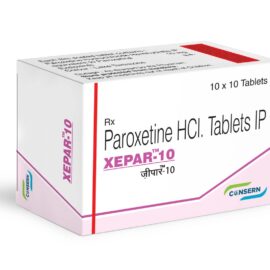
Ja — risperidon wordt soms toegevoegd aan antidepressiva bij therapieresistente depressie en OCD-augmentatie. Doseringverhogingen en CYP2D6-interacties (met name met paroxetine en fluoxetine) vereisen aandacht.
Is Riscon veilig voor ouderen met dementie?
FDA black-box waarschuwing voor verhoogde sterfte bij ouderen met dementiegerelateerde psychose of gedragssymptomen. Gebruik alleen wanneer symptomen ernstig zijn, gedragsstrategieën hebben gefaald, laagste dosis, kortste duur, met geïnformeerde toestemming van de familie.
Mag ik alcohol drinken bij gebruik van Riscon?
Vermijd — additieve sedatie en orthostase. Valrisico is aanzienlijk bij combinatie.
Kan ik abrupt stoppen met Riscon?
Beter om af te bouwen. Plotseling stoppen kan onttrekkingsdyskinesie, slapeloosheid, zweten en reboundpsychose veroorzaken. Verminder met 0,5–1 mg elke 1–2 weken.
Hoe moet Riscon worden bewaard?
Bewaar bij 15–30 °C in de originele blisterverpakking, weg van vocht en zonlicht. Buiten bereik van kinderen houden.
Gerelateerde alternatieven
Andere producten in Chronische aandoeningen die klanten ook bekijken:
Meer opties in behandeling van situationele angst
Gerangschikt op recente bestelvolumes van MedsBase — wat andere klanten in deze categorie kiezen.
| Sterkte | 1 mg, 2 mg, 4 mg |
|---|---|
| Hoeveelheid | 30 Tabletten, 60 Tabletten, 90 Tabletten, 180 Tabletten |
 Riscon
Vragen & antwoorden
Riscon
Gerelateerde producten




Beoordelingen
Er zijn nog geen beoordelingen