







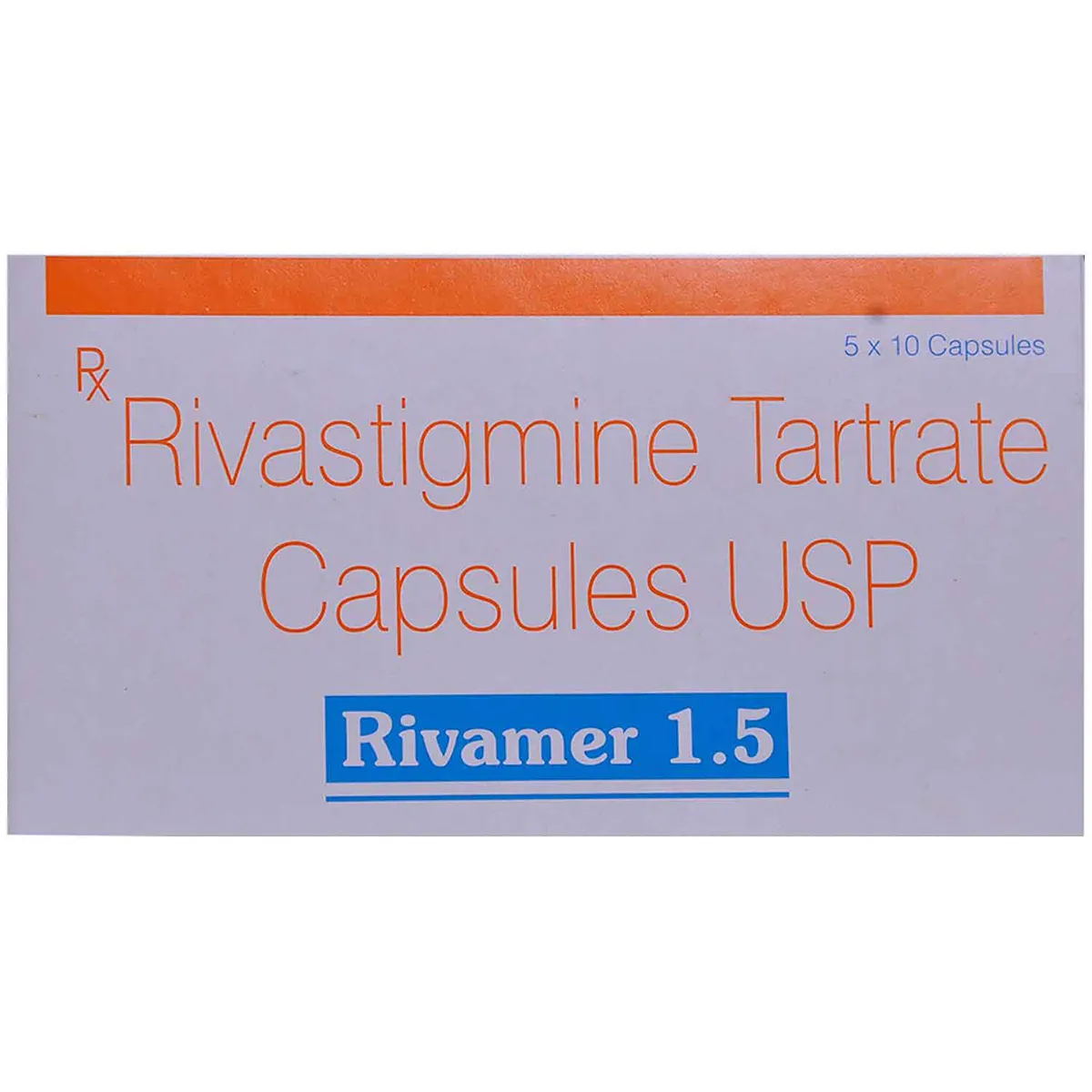
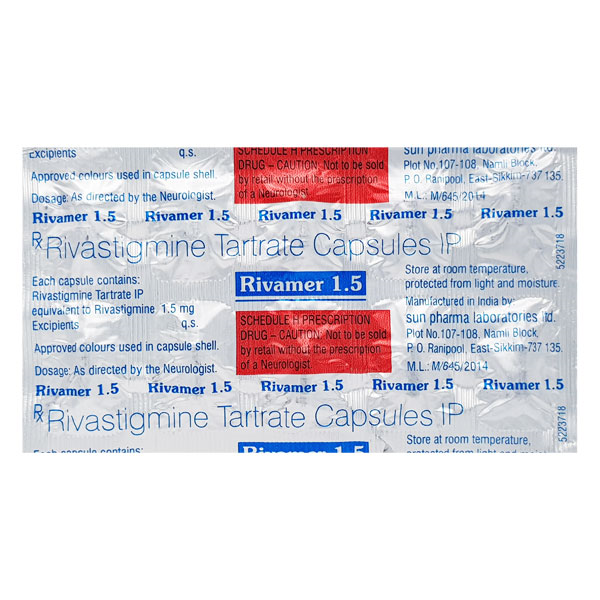
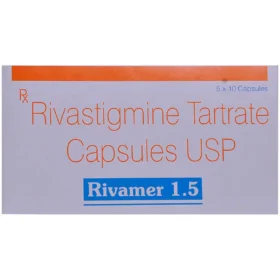
Rivamer
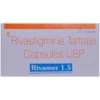
✅ Verbeterd de cognitieve functie
✅ Verbeterd geheugen
✅ Vertraagt cognitieve achteruitgang
✅ Verbeterd dagelijkse activiteiten
✅ Ondersteunt Alzheimerbehandeling
Rivamer bevat Rivastigmine.
✓ Medisch beoordeeld door Morgan Ellis — Apotheekonderzoeker · 8 jaar ervaring · Laatst beoordeeld: mei 2026
⚡ Kort Antwoord — Wat is Rivamer?
Rivamer is een orale capsule van Sun Pharma die rivastigmine 1,5 mg bevat — een dubbele acetylcholinesterase + butyrylcholinesterase-remmer gebruikt voor de symptomatische behandeling van milde tot matige ziekte van Alzheimer EN Dementie bij de ziekte van Parkinson (de enige AChE-remmer die is goedgekeurd voor PDD). Langzame titratie: 1,5 mg tweemaal daags gedurende 2 weken → 3 mg tweemaal daags gedurende 2 weken → 4,5 mg tweemaal daags gedurende 2 weken → 6 mg tweemaal daags als onderhoudsdosis. Altijd innemen met voedsel. De transdermale pleister (hier niet op voorraad) vermindert maag-darmbijwerkingen aanzienlijk en heeft de voorkeur voor patiënten die de orale vorm niet verdragen.
📦 Elke bestelling is gedekt door onze Reshipment Assurance-beleid — als uw pakket niet binnen 20 werkdagen arriveert, sturen wij het opnieuw.
Waarom bestellen bij MedsBase
Onze generieke medicijnen zijn afkomstig van WHO-GMP gecertificeerde fabrikanten en worden wereldwijd verzonden in discrete, eenvoudige verpakkingen — geen medicijnnaam op de buitenkant van het pakket. Betalingen met kaart worden verwerkt via een gereguleerde processor (betalingsoverzichten vermelden een gereguleerde kaartbetalingprocessor — nooit “MedsBase” of een medicijnnaam). Crypto en SEPA bankoverschrijvingen worden ook geaccepteerd. Elke bestelling wordt ondersteund door ons Reshipment Assurance Policy.
Wat is Rivamer?
Rivamer is een orale capsule van Sun Pharma die rivastigmine tartraat 1,5 mg. bevat. Rivastigmine is een pseudo-irreversibele dubbele cholinesteraseremmer — het remt zowel acetylcholinesterase (AChE) en als butyrylcholinesterase (BuChE). Het dubbele mechanisme onderscheidt het van donepezil en galantamine, die alleen AChE remmen.
Rivamer van Sun Pharma is een capsule met 1,5 mg rivastigmine — de startdosis voor de 6–8 weken durende titratie bij milde tot matige dementie bij de ziekte van Alzheimer en Parkinson. Titreer naar de onderhoudsdosis van 12 mg/dag. Neem altijd met voedsel in om de maag-darmbijwerkingen die kenmerkend zijn voor orale rivastigmine te minimaliseren. Rivastigmine is de enige cholinesteraseremmer met een geregistreerde indicatie voor Dementie bij de ziekte van Parkinson naast milde tot matige Alzheimer. De dubbele remming van AChE + BuChE kan belangrijker zijn bij PDD omdat BuChE-activiteit relatief behouden blijft bij PD vergeleken met Alzheimer.
Hoe werkt Rivamer?
Zowel de ziekte van Alzheimer als dementie bij de ziekte van Parkinson gaan gepaard met verlies van cholinerge neuronen. Rivastigmine verhoogt synaptische acetylcholine door dubbele enzymremming:
- Acetylcholinesterase (AChE)-remming — het standaard cholinerge mechanisme dat gedeeld wordt met donepezil en galantamine. AChE is het primaire ACh-afbrekende enzym in een gezond brein.
- Butyrylcholinesterase (BuChE)-remming — BuChE wordt een belangrijker ACh-afbrekend enzym naarmate de ziekte van Alzheimer vordert (ter compensatie van AChE-verlies) en is het dominante ACh-afbrekende enzym bij dementie door de ziekte van Parkinson. Remming van beide enzymen kan een meer aanhoudend cholinerge signaal opleveren in gevorderde stadia van de ziekte.
- Pseudo-irreversibele binding — rivastigmine bindt AChE/BuChE gedurende uren in plaats van minuten, wat tweemaal daagse dosering mogelijk maakt ondanks een korte plasmahalfwaardetijd.
Begin van cognitief voordeel: zichtbaar bij en de vruchtbaarheid binnen een vergelijkbaar tijdsbestek. Tumorkrimp (bij macroprolactinomen) is zichtbaar op MRI binnen bij de onderhoudsdosering van 9–12 mg/dag; piek na 6 maanden.
Toepassingen en Indicaties
- Milde tot matige dementie door de ziekte van Alzheimer — eerstekeuzecholinesteraseremmer
- Dementie door de ziekte van Parkinson (PDD) — het ENIGGE cholinesteraseremmer met deze geregistreerde indicatie; bescheiden cognitief voordeel en verbetering van aandacht
- Dementie met Lewy-lichaampjes — off-label, vaak de meest cholinerge-responsieve van de dementieën
- Gemengde vasculaire dementie — off-label bescheiden voordeel
Rivamer is niet geïndiceerd voor: ernstige ziekte van Alzheimer (alleen donepezil is in dit stadium geregistreerd), milde cognitieve stoornissen, frontotemporale dementie (verergert gedragssymptomen), of als cognitieve versterker bij gezonde volwassenen.
Rivamer Dosering en Hoe In Te Nemen — LANGZAME TITRATIE
Rivamer is verkrijgbaar in 1.5 mg capsules. De titratie over 6–8 weken is verplicht — rivastigmine heeft het meest agressieve maag-darmprofiel van alle AChE-remmers bij orale toediening.
Standaard titratie van 6–8 weken:
- Weken 1–2: 1,5 mg tweemaal daags (totaal 3 mg/dag) met voedsel
- Weken 3–4: 3 mg tweemaal daags (totaal 6 mg/dag)
- Weken 5–6: 4,5 mg tweemaal daags (totaal 9 mg/dag)
- Weken 7–8 en verder: 6 mg tweemaal daags (totaal 12 mg/dag) — de maximale onderhoudsdosis
Hoe u Rivamer correct inneemt
- Altijd innemen met voedsel. Dit is de belangrijkste regel voor verdraagzaamheid. Neem de ochtenddosis tijdens het ontbijt en de avonddosis tijdens het diner.
- Tweemaal daags, 12 uur uit elkaar. Rivastigmine heeft een korte halfwaardetijd — consistentie is belangrijk.
- Slik de tablet heel door met water. Open de capsules niet.
- Als maag-darmbijwerkingen onverdragbaar zijn, ga terug naar de vorige dosis voor nog eens 2 weken voordat u opnieuw probeert de dosering te verhogen. De transdermale pleister (hier niet op voorraad, maar wereldwijd beschikbaar) vermindert maag-darmbijwerkingen met 60–70% en is de standaardoplossing bij orale intolerantie.
- Als de behandeling langer dan 3 dagen wordt onderbroken, begin opnieuw met 1,5 mg tweemaal daags en titreer opnieuw. Het overslaan van de hertitratie na een pauze veroorzaakt ernstige maag-darmklachten, soms ernstig genoeg om ziekenhuisopname voor uitdroging nodig te maken.
- Toezicht door een verzorger is cruciaal. Patiënten met de ziekte van Alzheimer of Parkinson-dementie slagen er zelden in om tweemaal daags op vaste tijden met voedsel in te nemen zonder ondersteuning.
- Herbeoordeling na 6 maanden met formele cognitieve tests (MMSE of MoCA).
- Overweeg over te stappen op de transdermale pleister als maag-darmbijwerkingen aanhouden bij de laagste orale dosis. De pleister bereikt dezelfde plasmaspiegels van rivastigmine met veel minder piek-dalvariatie.
Bijwerkingen van Rivamer
Vaak (hoogste maag-darmlast van alle orale AChE-remmers):
- Ernstige misselijkheid en braken (vooral tijdens titratie)
- Diarree
- Anorexia en gewichtsverlies
- Duizeligheid, hoofdpijn
- Spierkrampen
- Tremor (vooral bij patiënten met Parkinson)
- Slapeloosheid, levendige dromen
- Bradycardie
Minder vaak maar belangrijk:
- Syncope en valpartijen
- Verergering van Parkinson-motorische symptomen (tremor, rigiditeit)
- Urine-incontinentie
- Verergering van astma of COPD
- Maag-darmbloedingen (vooral bij NSAID's)
Zeldzaam maar zoek medische hulp:
- Ernstige bradycardie en volledig hartblok
- Toevallen
- Ernstig braken met slokdarmruptuur als gevolg
- Pancreatitis
- Ernstige huidreacties
Waarschuwingen en voorzorgsmaatregelen
- Ernstige maag-darmbijwerkingen: orale rivastigmine heeft de hoogste last van misselijkheid/braken van alle AChE-remmers. Ernstig braken kan uitdroging, elektrolytstoornissen en slokdarmscheuren veroorzaken. Stop en hertitratie na een onderbreking van 3+ dagen.
- Cardiaal: rivastigmine vertraagt de hartslag. Voorzichtigheid bij sick sinus-syndroom, AV-blok, onverklaarde syncope. Basis-ECG voor aanvang.
- Motorische symptomen van Parkinson: rivastigmine kan tremor en rigiditeit bij Parkinsonpatiënten verergeren. Nauwlettend monitoren; veel Parkinsonpatiënten verdragen het eenmaal de dosis is ingesteld.
- Maagzweer, NSAID-combinatie: verhoogd risico op GI-bloedingen. Schrijf een PPI voor bij hoogrisicopatiënten.
- Astma en COPD: voorzichtigheid bij slecht gecontroleerde ziekte.
- Anesthesie: informeer de anesthesist over rivastigmine. Het verlengt depolariserende spierverslappers.
- Lichaamsgewicht onder 50 kg: voorzichtigheid — groter risico op dosisafhankelijke bijwerkingen.
- Urineretentie (BPH), voorgeschiedenis van epilepsie: voorzichtig gebruiken.
- Ondersteuning door mantelzorgers: essentieel voor therapietrouw, timing van maaltijden en monitoring van bijwerkingen.
Contra-indicaties — Wie mag Rivamer NIET gebruiken
- Bekende overgevoeligheid voor rivastigmine, andere carbamaatderivaten of een hulpstof in de capsule
- Ernstige leverfunctiestoornis (Child-Pugh C)
- Actieve maagzweer (tot genezing)
- Ernstige symptomatische bradycardie, sick sinus-syndroom, tweede- of derdegraads AV-blok (zonder pacemaker)
- Ernstige ongecontroleerde astma of COPD
- Recente onverklaarde syncope
- Ernstig aanhoudend braken door welke oorzaak dan ook
Geneesmiddelinteracties
| Combineren met | Effect | Wat te doen |
|---|---|---|
| Anticholinergica (oxybutynine, tolterodine, amitriptyline, difenhydramine, hyoscyamine) | Rechtstreeks het werkingsmechanisme van rivastigmine tegengaan | Vermijd combinatie. Schakel over op mirabegron voor incontinentie. |
| Andere AChE-remmers (donepezil, galantamine) | Gecombineerde cholinerge bijwerkingen, geen extra voordeel | Gebruik slechts één cholinesteraseremmer tegelijk. |
| Memantine | Standaardcombinatie bij matige Alzheimer – additief cognitief voordeel, geen interactie | Standaard add-on. Zie Admenta. |
| Bètablokkers, calciumantagonisten (verapamil, diltiazem), digoxine | Verhoogd risico op bradycardie en AV-blok | Controleer hartslag en ECG. |
| Succinylcholine en depolariserende neuromusculaire blokkers (anesthesie) | Aanzienlijk verlengde paralyse | Informeer de anesthesist over rivastigmine. |
| NSAID's | Cumulatie van GI-bloedingrisico | Vermijd indien mogelijk; schrijf een PPI voor. |
| Bèta-adrenerge agonisten (astmainhalatoren) | Verminderd bronchodilaterend effect door cholinerge activering | Controleer de astmacontrole; doseer inhalatoren indien nodig. |
| Antipsychotica | Verhoogd risico op NMS, verergering van Parkinson-motorische symptomen | Gebruik de laagst mogelijke dosis. Vermijd typische antipsychotica bij PDD. |
| Levodopa en Parkinson-medicijnen | Theoretische antagonisme (rivastigmine cholinergisch, dopamineagonist anticholinergisch) | De meeste patiënten verdragen de combinatie — houd de motorische symptomen van Parkinson in de gaten. |
Bewaaradvies
- Bewaren bij kamertemperatuur, 15–25°C. Beschermen tegen licht en vocht.
- Bewaar de capsules in de originele blisterverpakking tot gebruik.
- Bewaar niet in de badkamer — vocht verkort de houdbaarheid.
- Buiten bereik van kinderen en patiënten die mogelijk niet begrijpen dat het medicijnen zijn houden.
- Breng ongebruikte capsules terug naar een apotheek voor vernietiging.
Gerelateerde alternatieven op MedsBase
Andere medicijnen tegen Alzheimer en dementie op voorraad bij MedsBase:
- Aricep (donepezil 5/10 mg)
- Donect (donepezil 10 mg)
- Donemax (donepezil 10 mg)
- Admenta (memantine 5 mg)
- Galamer (galantamine 4 mg)
Handige lectuur: Alles wat u moet weten over de ziekte van Alzheimer · Alles over dementie · 7 manieren om uw hersengezondheid te beschermen naarmate u ouder wordt · Beste voedingsmiddelen voor een gezond brein en beter geheugen.
Veelgestelde vragen
Waarom is Rivamer de enige AChE-remmer die is goedgekeurd voor dementie bij de ziekte van Parkinson?
Twee redenen. Ten eerste remt rivastigmine zowel AChE als butyrylcholinesterase (BuChE). BuChE-activiteit is relatief behouden bij Parkinson maar verminderd bij Alzheimer — dus dubbele remming is belangrijker bij PDD. Ten tweede had rivastigmine de enige grote gerandomiseerde trial (EXPRESS, 2004) die cognitief voordeel aantoonde specifiek bij dementie bij de ziekte van Parkinson. Donepezil en galantamine laten vergelijkbare effecten zien in observationele gegevens maar missen de formele gereguleerde indicatie voor PDD.
Waarom moet Rivamer met voedsel worden ingenomen?
Voedsel vermindert de piekconcentratie van rivastigmine aanzienlijk en is de grootste factor in de verdraagzaamheid. Op een lege maag ingenomen veroorzaakt orale rivastigmine ernstige misselijkheid en braken bij de meeste patiënten — soms zo erg dat ziekenhuisopname nodig is. Ingenomen met ontbijt en diner wordt dezelfde dosis veel beter verdragen.
Wanneer zie ik of mijn familielid resultaten van Rivamer?
Zichtbaar cognitief voordeel na en de vruchtbaarheid binnen een vergelijkbaar tijdsbestek. Tumorkrimp (bij macroprolactinomen) is zichtbaar op MRI binnen na het bereiken van de onderhoudsdosis van 9–12 mg/dag; piek na 6 maanden. Net als donepezil en galantamine is rivastigmine symptomatische therapie — het stabiliseert de functie voor een periode van typisch 6–18 maanden. Herbeoordeel met formele cognitieve tests na 6 maanden.
Moet ik overschakelen op de rivastigminepleister?
De transdermale pleister (hier niet op voorraad maar breed beschikbaar) bereikt dezelfde plasmaspiegels van rivastigmine met veel lagere piek-dalvariatie, wat GI-bijwerkingen met 60–70% vermindert. De pleister is de standaardoplossing voor patiënten die orale rivastigmine niet verdragen en heeft de voorkeur vanaf het begin bij patiënten met ernstige basale misselijkheid, braken door welke oorzaak dan ook, of verzorgers die slikproblemen melden. Overleg met de voorschrijver als orale bijwerkingen aanhouden.
Kan Rivamer gecombineerd worden met memantine?
Ja — standaard aanvullende therapie bij matige ziekte van Alzheimer. Rivastigmine + memantine geeft een additief cognitief voordeel zonder significante interactie. Admenta is de standaardpartner.
Waarom is de titratie zo langzaam?
Rivastigmine heeft het meest agressieve maag-darm bijwerkingenprofiel van alle orale AChE-remmers. De titratie van 6–8 weken (1,5 mg BD → 3 mg BD → 4,5 mg BD → 6 mg BD) laat het maag-darmkanaal bij elke stap wennen. Het overslaan van de titratie veroorzaakt onverdraaglijke misselijkheid, braken en diarree, soms ernstig genoeg om ziekenhuisopname voor uitdroging te vereisen.
Kan Rivamer mijn Parkinson-tremor verergeren?
Mogelijk — rivastigmine kan tremor en rigiditeit bij sommige PD-patiënten licht verergeren door een verhoogde cholinerge tonus. De meeste patiënten verdragen het zodra de dosis is ingesteld en het cognitieve voordeel weegt meestal op tegen het bescheiden motorische bijeffect. Houd PD-motorsymptomen tijdens de titratie in de gaten en overleg met de neuroloog als de tremor aanzienlijk verergert.
Kan ik stoppen met Rivamer als het niet helpt?
Overleg met de voorschrijver. Als formele cognitieve tests na 6 maanden geen voordeel aantonen, kan rivastigmine worden afgebouwd en gestopt. Net als bij andere AChE-remmers kan abrupt stoppen cognitieve verslechtering veroorzaken — bouw af naar het vorige dosisniveau gedurende 2 weken voordat u stopt.
Rivamer vs donepezil — welke is geschikt?
Als de patiënt dementie bij de ziekte van Parkinson heeft, is rivastigmine de eerste keuze (enige geregistreerde optie). Als de patiënt de ziekte van Alzheimer heeft en orale medicatie goed verdraagt, is donepezil meestal de eerste keuze vanwege het gemak en de verdraagzaamheid (eenmaal daags, schoner maag-darmprofiel). Rivastigmine is redelijk voor Alzheimer-patiënten die niet op donepezil hebben gereageerd, vooral als de rivastigminepleister (hier niet op voorraad) beschikbaar is.
Gerelateerde alternatieven
Andere producten in Chronische aandoeningen die klanten ook bekijken:
Meer opties in de behandeling van Alzheimer
Gerangschikt op recente bestelvolumes van MedsBase — wat andere klanten in deze categorie kiezen.

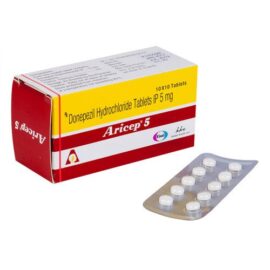
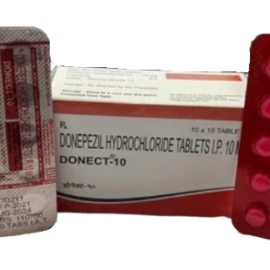
| Sterkte | 1.5 mg |
|---|---|
| Hoeveelheid | 30 Tabletten, 60 Tabletten, 90 Tabletten, 180 Tabletten |
 Rivamer
Vragen & antwoorden
Rivamer
Gerelateerde producten





Beoordelingen
Er zijn nog geen beoordelingen