







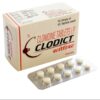

Arkamin-H

Arkamin-H je fixní kombinace Torrent obsahující klonidin 100 mcg + chlortalidon 20 mg v tabletách — spojuje centrální sympatickou supresi s dlouhodobě působícím thiazidovým natriurézem a vazodilatací. Klinické použití: rezistentní hypertenze, intolerance k RAAS blokátorům nebo pacienti již stabilizovaní na samostatných složkách. Není první volbou. KRITICKÉ — nikdy nepřerušujte náhle (rebound fenomén klonidinu). Monitorujte draslík a sodík (chlortalidon).
✓ Lékařsky ověřeno Morgan Ellis — Pharmacy Researcher · 8 years experience Last reviewed: May 2026
⚡ Rychlá odpověď — Co je Arkamin-H?
Arkamin-H je tableta s fixní kombinací klonidin 100 mcg + 20 mg — centrálně působící agonista alfa-2 adrenergních receptorů — s chlortalidon, dlouhodobě působícím thiazidovým diuretikem, od Torrent Pharma. Kombinace spojuje dva komplementární mechanismy pro rezistentní nebo středně těžkou hypertenzi: klonidin snižuje centrální sympatický výdej (snižuje TK a srdeční frekvenci), zatímco chlortalidon vyvolává trvalou natriurézu a vazodilataci. Obvyklé dávkování: jedna tableta jednou nebo dvakrát denně. Nikdy nepřerušujte Arkamin-H náhle — složka klonidinu způsobuje rebound hypertenzi se sympatickým vzestupem během 18-36 hodin. Postupně vysazujte po dobu 2-4 týdnů pod lékařským dohledem. Monitorujte elektrolyty (hypokalémie a hyponatrémie způsobené chlortalidonem), TK a srdeční frekvenci při zahájení léčby a změně dávkování. Není antihypertenzivem první volby — vyhrazeno pro rezistentní nebo specifické indikace po vyzkoušení ACEi/ARB + CCB + thiazid + spironolakton nebo při jejich kontraindikaci.
📦 Každá objednávka je pokryta naší Zárukou opětovného odeslání — pokud vaše zásilka nedorazí do 20 pracovních dnů, přeposíláme ji.
Proč objednávat z MedsBase
Naše generické léky pocházejí od výrobců certifikovaných WHO-GMP a jsou expedovány po celém světě v diskrétním, nenápadném balení – na vnější straně balíku není uveden název léku. Platby kartou jsou směrovány prostřednictvím regulovaného procesoru (popisky na výpisu zahrnují regulovaného procesora plateb kartou – nikdy “MedsBase” nebo název léku). Přijímáme také kryptoměny a bankovní převody SEPA. Každá objednávka je zajištěna naší politikou přeposlání.
Co je Arkamin-H?
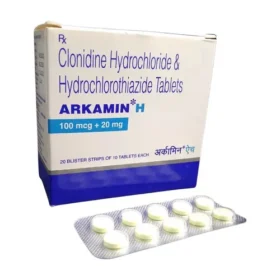
Arkamin-H je perorální tableta s fixní kombinací účinných látek dodávající klonidin a chlortalidon v jedné tabletě (typický poměr 100 mcg klonidinu + 20 mg chlortalidonu na tabletu). Výrobce Torrent Pharma, dodáváno v balení po 30-180 tabletách.
Klonidin byl uveden na trh společností Boehringer Ingelheim v roce 1966 pod názvem Catapres jako první centrálně působící agonista alfa-2 receptorů. Chlortalidon je dlouho působící diuretikum podobné thiazidům, uvedené společností USV/Ciba v roce 1960, jehož účinnost jako léku první volby při hypertenzi byla potvrzena ve studii ALLHAT (2002). Tato kombinace byla vyvinuta pro zjednodušení léčby rezistentní hypertenze v éře před ACE inhibitory a zůstává užitečnou volbou s dvojím mechanismem účinku v moderních protokolech pro rezistentní HTN.
Proč kombinovat klonidin s chlortalidonem?
Rezistentní hypertenze typicky zahrnuje dva fyziologické mechanismy: aktivovaný sympatický tonus a retenci sodíku. Současné ovlivnění obou mechanismů je účinnější než izolovaná léčba.
- Clonidin aktivuje presynaptické alfa-2 receptory v rostrální části ventrolaterální medully, čímž potlačuje sestupnou sympatickou aktivitu. Periferní noradrenalin klesá o 30-50%; tepová frekvence se sníží o 5-15 tepů/min; krevní tlak klesne o 10-30 mmHg.
- Chlortalidon je diuretikum podobné thiazidům s dobou účinku 40-60 hodin, delší než u hydrochlorothiazidu. Snižuje plazmatický objem během prvních 1-2 týdnů a přispívá k přetrvávající přímé vazodilataci prostřednictvím účinku na draslíkové kanály hladkého svalstva.
- Komplementární mechanismy účinku — klonidin má tendenci způsobovat retenci soli a vody v průběhu měsíců (známé omezení centrálně působících látek v monoterapii); chlortalidon tento účinek kontinuálně vyrovnává.
Klinická role přípravku Arkamin-H je užší než v 70. letech — kombinace ACEi/ARB + CCB + thiazid + spironolakton pokrývá většinu moderních hypertoniků. Stále se hodí při: intoleranci k RAAS blokátorům (kašel, angioedém, hyperkalémie), skutečně rezistentní HTN navzdory optimální léčbě první volby, nebo u pacientů již stabilizovaných na individuální léčbě klonidinem + thiazidem, kteří těží z pohodlí jedné tablety.
Dávkování & Titrace
Standardní dávka: jedna tableta 100 mcg + 20 mg jednou nebo dvakrát denně. Užívejte ve stejnou dobu každý den. Někteří pacienti užívají dvakrát denně pro vyrovnanější účinek klonidinu; jiným postačuje jednodenní dávkování před spaním.
Titrace:
- TK není kontrolován při jedné tabletě denně: zvýšit na jednu tabletu dvakrát denně nebo přidat komplementární léčivo (ACEi, ARB, CCB) spíše než další zvyšování dávky klonidinu.
- Omezeno sedací: větší dávku podávejte před spaním.
- Hypokalémie při užívání chlorthalidonu: přidejte nebo pokračujte v ACEi/ARB (snižuje ztrátu draslíku vyvolanou thiazidy) nebo přidejte nízkou dávku šetřícího draslík.
Monitorovací plán:
- Vstupní vyšetření: TK (vleže a vestoje), tepová frekvence, močovina, elektrolyty (draslík, sodík), kreatinin, eGFR, glukóza, sérový urát, EKG pokud je klinicky indikováno.
- 1-2 týdny: opakovat TK a U&E. Očekávejte mírnou hypokalémii a mírné zvýšení sérového urátu.
- 4-6 týdnů: Revize cílového TK; kompletní metabolický panel.
- Průběžné: roční U&E, urát, glukóza, lipidový panel. Nikdy nepřerušujte dodávky – riziko rebound hypertenze při vynechání dávek.
- Přerušit a přehodnotit při: draslík 5,5, sodík <130 s příznaky, těžká sedace nebo deprese, synkopa, bradykardie <50 tepů/min nebo AV blok druhého/třetího stupně, dnavý záchvat, přetrvávající posturální příznaky.
Vedlejší účinky
Časté (>1 %):
- Sedace, denní ospalost (účinek klonidinu)
- Sucho v ústech (účinek klonidinu – velmi časté)
- Zvýšené močení v prvních 1-2 hodinách po podání (účinek chlorthalidonu)
- Závratě při změně polohy, ortostatická hypotenze
- Hypokalémie, mírná hyponatrémie
- Hyperurikémie a vyvolání dny
- Mírné zhoršení glukózové tolerance
- Zácpa
- Erektilní dysfunkce, snížené libido
- Deprese, změny nálady
- Periferní edém
Nepříliš časté, ale klinicky významné:
- Rebound hypertenzní krize při náhlém vysazení — hlášeny případy mrtvice, infarktu myokardu, hypertenzní encefalopatie
- Těžká hyponatrémie — zejména u starších žen na nízkosolných dietách
- Těžká bradykardie, srdeční blok (zhoršeno betablokátory nebo digoxinem)
- Stevensův-Johnsonův syndrom — vzácná reakce sulfonamidového typu na složku chlortalidon
- Pankreatitida (vzácný účinek thiazidové třídy)
- Akutní glaukom s uzavřeným úhlem (vzácná reakce sulfonamidového typu během hodin až dnů od začátku užívání)
Kontraindikace
- Těžká bradyarytmie, syndrom nemocného sinu nebo AV blok druhého/třetího stupně bez kardiostimulátoru
- Těžké renální postižení (eGFR <30) — chlorthalidon ztrácí účinnost
- Anurie
- Přecitlivělost na sulfonamidy (složka chlorthalidonu)
- Známá přecitlivělost na klonidin
- Těžká deprese (klonidin může prohloubit depresivní příznaky)
- Základní hypokalémie (<3,0 mmol/l) nebo symptomatická hyponatrémie (<130 mmol/l)
- Hyperkalcémie
- Těžké jaterní poškození (Child-Pugh C)
- Současné podávání jiných centrálních agonistů alfa-2 (methyldopa, tizanidin, moxonidin)
Těhotenství: obecně se nedoporučuje jako první volba. U hypertenze v těhotenství upřednostňujte methyldopu, labetalol nebo nifedipin — všechny tři mají rozsáhlejší bezpečnostní databáze. Thiazidy v těhotenství mohou způsobit novorozeneckou žloutenku a trombocytopenii; klonidin přechází placentou, ale není jednoznačně teratogenní. Používejte pouze pro přesvědčivé indikace pod odborným dohledem.
Kojení: obě složky přecházejí do mateřského mléka. Sledujte u kojence příznaky sedace, bradykardie, špatného příjmu potravy; pokud možno zvažte alternativní režimy.
Interakce s léčivy
- Betablokátory — KRITICKÉ. Společná terapie zhoršuje rebound fenomén při vysazení klonidinu a zvyšuje riziko bradykardie. Pokud vysazujete oba, přestaňte s beta-blokátorem několik dní před postupným vysazením klonidinu.
- Lithium — KRITICKÉ. Chlorthalidon snižuje clearance lithia; kombinace může vyvolat toxicitu lithia. Pokud je kombinace nevyhnutelná, monitorujte hladiny týdně během prvního měsíce; snižte dávku lithia o 25–50 %.
- Tricyklická antidepresiva — částečně antagonizují antihypertenzní účinek klonidinu a přidávají ortostatickou hypotenzi.
- Jiní centrální agonisté alfa-2 (methyldopa, tizanidin, moxonidin) — aditivní sedace a hypotenze; nekombinujte.
- NSAID — snižují diuretický a antihypertenzní účinek; výrazně zvyšují riziko AKI při kombinaci s ACEi/ARB.
- Digoxin — hypokalémie zesiluje toxicitu digoxinu; aditivní bradykardie. Sledujte hladiny.
- Perorální kortikosteroidy, amfotericin B, laxativa — aditivní hypokalémie.
- CNS depresiva (opioidy, benzodiazepiny, alkohol, gabapentinoidy) — aditivní sedace.
- Cholestyramin / colestipol — snižují vstřebávání chlortalidonu. Oddělte dávky o 4 hodiny.
- Perorální antidiabetika, inzulin — thiazidy zhoršují glukózovou toleranci; může být nutná úprava dávkování.
- Alkohol — aditivní ortostatická hypotenze a sedace.
Skladování
Skladujte Arkamin-H při teplotě pod 25°C v původním blistru. Uchovávejte mimo dosah dětí.
Často kladené dotazy
Proč by můj lékař zvolil Arkamin-H místo samostatných tablet klonidinu a chlortalidonu?
Fixní kombinace v jedné tabletě výrazně zlepšují adherenci — pacienti zapomenou jednu tabletu méně často než dvě a snížení počtu tablet je jedním z nejsilnějších prediktorů kontroly krevního tlaku. Poměr 100 mcg + 20 mg v Arkamin-H odpovídá proporcím běžně používaným v klinické praxi; pacienti stabilizovaní na samostatných složkách mohou být převedeni na kombinovanou tabletu jedna ku jedné.
Je Arkamin-H lékem první volby na krevní tlak?
Ne — moderní doporučení začínají ACE inhibitory, ARB, blokátory kalciových kanálů nebo thiazidovými/thiazidovým diuretiky jako monoterapií první volby nebo v párech, poté přidávají spironolakton jako preferovaný čtvrtý lék (důkazy z PATHWAY-2). Kombinace založené na klonidinu jsou typicky vyhrazeny pro rezistentní hypertenzi, intoleranci RAAS blokátorů nebo pacienty již stabilizované na klonidinu.
Co se stane, když zapomenu dávku Arkamin-H?
Vynechanou dávku užijte co nejdříve, jak si vzpomenete, i když je blízko další plánované doby — klonidin má riziko rebound hypertenze při vynechání dávky, které jiná antihypertenziva nemají. Pokud si to uvědomíte během několika hodin, vezměte dávku; pokud je další dávka plánována za 2-3 hodiny, vezměte další dávku v obvyklou dobu, ale neduplikujte. Pokud jste vynechali celý den a cítíte bolest hlavy, palpitace nebo pocení, vezměte dávku a vyhledejte neodkladnou lékařskou kontrolu. Nikdy nenechte zásoby dojít.
Ovlivní Arkamin-H můj draslík?
Ano — složka chlortalidonu snižuje draslík (a sodík). Kontrolujte draslík na začátku, za 1-2 týdny a poté pravidelně. Riziko je minimalizováno kombinací s ACE inhibitorem nebo ARB (které zmírňují ztrátu kalia způsobenou thiazidy). Klonidin sám o sobě je neutrální vůči draslíku.
Budu ospalý?
Ano, zejména v prvních 2-4 týdnech — složka klonidinu způsobuje sedaci u většiny pacientů. Obvykle se výrazně zlepší do 4-6 týdne. Přesuňte větší dávku na večer, aby se sedace projevila během spánku; vyhněte se alkoholu a dalším sedativním lékům; neřiďte, dokud nevíte, jak na vás Arkamin-H působí.
Mohu užívat ibuprofen s Arkamin-H?
Občasné krátkodobé užívání je obvykle v pořádku. Chronické denní užívání NSAID snižuje antihypertenzní účinek Arkamin-H a výrazně zvyšuje riziko akutního poškození ledvin (AKI) v kombinaci s ACE inhibitorem nebo ARB (tzv. “trojitá rána”). Při chronické bolesti upřednostňujte paracetamol.
Mohu užívat Arkamin-H v těhotenství?
Obecně ne. V těhotenství jsou léky volby methyldopa, labetalol a nifedipin. Thiazidy v těhotenství mohou způsobit novorozeneckou žloutenku a trombocytopenii a klonidin má menší databázi bezpečnosti než preferované léky. Přechod na jiný lék by měl proběhnout před početím nebo co nejdříve po potvrzení těhotenství pod odborným dohledem.
Kde lze koupit Arkamin-H online?
Arkamin-H (100 mcg + 20 mg klonidinu + chlortalidon, 30-180 tablet) můžete koupit na MedsBase s diskrétním balením a celosvětovou dopravou.
Související antihypertenziva na MedsBase
- Alphadopa — Methyldopa 250 mg (bezpečná pro těhotné s hypertenzí)
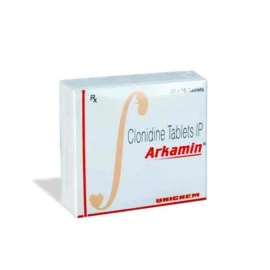
- Arkamin — Clonidin 100 mcg (Torrent)
- Hytrin — Terazosin 1/2/5 mg (AbbVie)
- Prazopill XL — Prazosin ER 5 mg
- Prazopress — Prazosin IR 1 mg (Sun Pharma)
- Prazopress XL — Prazosin ER 2,5/5 mg (Sun Pharma)
- Prohlédnout všechny léky na vysoký krevní tlak
Související alternativy
Další produkty v Chronická onemocnění které zákazníci také prohlížejí:
Další možnosti v léčbě vysokého krevního tlaku
Řazeno podle nedávného objemu objednávek na MedsBase — co si ostatní zákazníci v této kategorii vybírají.
| Síla | 100 mcg + 20 mg |
|---|---|
| Množství | 30 tablet/ks, 60 tablet/ks, 90 tablet/ks, 180 tablet/ks |
 Arkamin-H
Otázky a odpovědi
Arkamin-H
Související produkty





Hodnocení
Zatím zde nejsou žádná hodnocení