








Glide

✅ Kontrola hladiny cukru v krvi
✅ Řízení diabetu
✅ Formule s prodlouženým uvolňováním
✅ Zlepšená citlivost na inzulín
✅ Regulace glukózy
Glide obsahuje Glipizide SR.
✓ Lékařsky ověřeno Morgan Ellis — Pharmacy Researcher · 8 years experience Last reviewed: May 2026
⚡ Rychlá odpověď — Co je Glide?
Glide je značka glipizid (5 mg SR), sulfonylurea druhé generace používaná k léčbě diabetu 2. typu. Snižuje hladinu glukózy v krvi stimulací slinivky k uvolňování většího množství inzulínu. Sulfonylmočoviny obvykle snižují HbA1c o 1,0–1,5 procentního bodu a přidávají se, když samotný metformin nestačí. Užívejte s jídlem nebo těsně před snídaní který odpovídá vzestupu glukózy po jídle a minimalizuje hypoglykémii. Hlavní rizika: nízká hladina cukru v krvi (zejména pokud jsou vynechána jídla) a mírný přírůstek hmotnosti (1–3 kg). Riziko hypoglykémie: Nižší než u glibenklamidu, protože metabolity jsou neaktivní. Vhodný pro starší dospělé v nižších dávkách. Vyvarujte se použití u diabetu 1. typu, DKA, těžkého renálního/jaterního poškození a alergie na sulfonamidy. Není léčbou první volby podle moderních doporučení, ale stále se široce používá, je levný a účinný.
📦 Každá objednávka je pokryta naší Zárukou opětovného odeslání — pokud vaše zásilka nedorazí do 20 pracovních dnů, přeposíláme ji.
Proč objednávat z MedsBase
Naše generické léky pocházejí od výrobců certifikovaných WHO-GMP a jsou expedovány po celém světě v diskrétním, nenápadném balení – na vnější straně balíku není uveden název léku. Platby kartou jsou směrovány prostřednictvím regulovaného procesoru (popisky na výpisu zahrnují regulovaného procesora plateb kartou – nikdy “MedsBase” nebo název léku). Přijímáme také kryptoměny a bankovní převody SEPA. Každá objednávka je zajištěna naší politikou přeposlání.
Co je Glide?
Glide je perorální antidiabetikum obsahující glipizid (5 mg SR), vyráběné výrobcem certifikovaným WHO-GMP. Předepisuje se dospělým s diabetes mellitus 2. typu, obvykle v kombinaci s metforminem, pokud samotný metformin nedosahuje cílových hodnot glykémie. Jedná se o s prodlouženým uvolňováním (SR/XL) formulaci — uvolňuje léčivo pomalu po dobu 24 hodin pro jednodenní dávkování. Dostupné v baleních po 30, 60, 90 nebo 180 tabletách.
Jak Glide funguje?
Glipizid uzavírá ATP-senzitivní draslíkové kanály na beta buňkách slinivky břišní, což způsobuje depolarizaci a spouští uvolňování inzulínu zprostředkované vápníkem. Má krátký poločas (2–4 hodiny) a je rychle metabolizován na neaktivní metabolity — což mu dává nižší riziko hypoglykémie než glibenklamid.
Doba účinku: Okamžitý účinek: 30 minut před jídlem, jednou nebo dvakrát denně. Prodloužený účinek (XL): jednou denně. Sulfonylmočoviny jsou nejúčinnější, když stále existuje významná endogenní produkce inzulínu – tedy v raném až středním stádiu diabetu 2. typu. Jejich účinnost klesá s postupným úbytkem funkce beta buněk v průběhu let.
Očekávané snížení HbA1c při monoterapii: 1,0–1,5 procentního bodu. Hladina glukózy nalačno obvykle klesne během 3–7 dnů.
Dávkování a podání
Okamžitý účinek: začněte s 5 mg 30 minut před snídaní. Max. 20 mg/den v rozdělených dávkách. Prodloužený účinek (XL/SR): začněte s 5 mg jednou denně se snídaní; max. 20 mg/den.
- Načasování je klíčové. Vždy užívejte s prvním hlavním jídlem dne nebo těsně před ním. Užívání nalačno nebo bez následného jídla způsobuje hypoglykémii.
- Nezdvojujte dávku. Pokud vynecháte dávku, přeskočte ji — užijte další plánovanou dávku s dalším jídlem.
- Sledujte hladinu glukózy sami. Zvláště během prvních 2–4 týdnů, při úpravě dávkování nebo po jakémkoli onemocnění.
- Mějte u sebe glukózové tablety nebo sladkou svačinu. Sulfonylmočoviny mohou způsobit hypoglykémii i několik hodin po poslední dávce.
Vedlejší účinky
Časté:
- Hypoglykémie — hlavní riziko. Příznaky: třes, pocení, bušení srdce, hlad, zmatenost, bolest hlavy. Léčba: 15 g rychle působících sacharidů (glukózové tablety, džus), následované svačinou obsahující komplexní sacharidy.
- Přibývání na váze — průměrně 1–3 kg v důsledku anabolických účinků inzulínu.
- Nevolnost, mírné zažívací potíže
- Kožní vyrážka (obvykle časná, občas fotosenzitivita)
Méně časté, ale důležité:
- Těžká nebo prodloužená hypoglykémie — zejména u starších dospělých, při renálním selhání, vynechání jídla nebo lékových interakcích
- Hyponatrémie (vzácné)
- Hemolytická anémie při deficitu G6PD (vzácné)
- Cholestatická žloutenka (vzácné)
Interakce s léčivy
Zvyšuje riziko hypoglykémie (zvyšuje hladinu glipizidu nebo přidává glukózově snižující účinek):
- Inzulín, meglitinidy, další léky na diabetes
- Alkohol (zejména nárazové pití nebo bez jídla)
- Trimethoprim/sulfamethoxazol, flukonazol, klarithromycin
- Neselektivní beta-blokátory (také maskují příznaky hypoglykémie)
- ACE inhibitory, salicyláty ve vysokých dávkách
- MAO inhibitory, fibráty
Snižují glukózově snižující účinek:
- Kortikosteroidy, orální antikoncepce, thiazidová diuretika, thyroidní hormony, fenytoin, rifampicin, atypická antipsychotika
Kdo by neměl užívat Glide?
- Diabetes mellitus 1. typu
- Diabetická ketoacidóza (DKA), s komatem nebo bez
- Těžké renální poškození – Neaktivní metabolity se vylučují ledvinami – bezpečnější při renálním poškození než glibenklamid. Snižte dávku při středním poškození; vyhněte se užívání při těžkém poškození.
- Těžké jaterní poškození
- Alergie na sulfonamidy (sulfa)
- Těhotenství — sulfonylmočoviny nejsou v těhotenství první volbou (preferuje se inzulin)
- Kojení — omezené údaje; vyhněte se užívání
- Deficit G6PD (relativní kontraindikace)
U starších dospělých (> 65 let): začněte s poloviční obvyklou dávkou a pomalu titrujte — riziko hypoglykémie a její následky jsou vyšší.
Skladování
Skladujte Glide při teplotě do 25°C na suchém místě, v původním blistru. Uchovávejte mimo dosah dětí.
Často kladené dotazy
Je Glide totéž co glipizid?
Ano. Glide je značka glipizidu vyráběná výrobcem certifikovaným WHO-GMP. Regulační orgány vyžadují bioekvivalenci, takže klinický účinek je stejný jako u originální značky ve stejné dávce.
Jaký je rozdíl mezi Glipizidem a Glipizidem SR/XL?
Glipizid s okamžitým uvolněním (IR) se užívá dvakrát denně (obvykle ráno a večer) a vrcholí během 1–3 hodin. Glipizid SR nebo XL se užívá jednou denně s jídlem, uvolňuje léčivo pomaleji během 24 hodin a má rovnoměrnější účinek na hladinu glukózy v krvi s menším počtem vrcholů.
Může Glide způsobit přibírání na váze?
Ano — sulfonylmočoviny obvykle způsobují nárůst hmotnosti o 1–3 kg během prvního roku. Je to částečně proto, že inzulin je anabolický hormon, a částečně proto, že lidé jedí více svačin, aby předešli hypoglykémii. Pokud je nárůst hmotnosti problém, může být upřednostněn inhibitor DPP-4 nebo inhibitor SGLT-2.
Co mám dělat, když mám hypoglykémii?
Okamžitě užijte 15 g rychle působících sacharidů — 4–5 glukózových tablet, 150 ml běžné šťávy nebo koly, nebo 1 lžíci medu. Po 15 minutách zkontrolujte hladinu glukózy; opakujte, pokud je stále < 4,0 mmol/l. Následně snězte svačinu obsahující komplexní sacharidy (chléb, sušenku), abyste předešli relapsu. Hypoglykémie způsobená sulfonylmočovinami může trvat hodiny — závažné případy vyžadují lékařské vyšetření.
Mohu pít alkohol při užívání Glide?
Mírná konzumace alkoholu s jídlem je obvykle bezpečná. Vyhněte se nárazovému pití a pití alkoholu nalačno — obojí výrazně zvyšuje riziko hypoglykémie. Alkohol může také zhoršovat návaly horka a nevolnost u některých lidí užívajících sulfonylmočoviny.
Potřebuji stále metformin, pokud užívám Glide?
Obvykle ano. Sulfonylmočoviny se téměř vždy používají jako doplněk k metforminu, nikoli jako jeho náhrada. Metformin zůstává lékem první volby a působí jiným mechanismem (snižuje jaterní produkci glukózy), takže oba léky mají aditivní účinek.
Kde si mohu koupit Glide online?
Glide (5 mg SR) si můžete objednat na MedsBase v baleních po 30, 60, 90 nebo 180 tabletách. Dodáváme po celém světě, s diskrétním balením a originálními výrobky certifikovanými WHO-GMP.
Související léky na diabetes
- Amaryl — Glimepirid 1/2/4 mg (Sanofi)
- Glycomet SR — Metformin s prodlouženým uvolňováním
- Januvia — Sitagliptin (inhibitor DPP-4)
- Jardiance — Empagliflozin (inhibitor SGLT-2)
- Glucored — Kombinace glibenklamidu a metforminu
- Glycomet-GP — Kombinace metforminu a glimepiridu
- Prohlédnout všechny léky na diabetes
Související alternativy
Další produkty v Chronická onemocnění které zákazníci také prohlížejí:
Více možností v léčbě diabetu
Řazeno podle nedávného objemu objednávek na MedsBase — co si ostatní zákazníci v této kategorii vybírají.

| Síla | 5 mg |
|---|---|
| Množství | 30 tablet/ks, 60 tablet/ks, 90 tablet/ks, 180 tablet/ks |
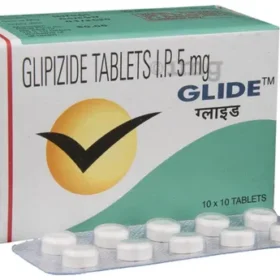 Glide
Glide
Otázky a odpovědi
Glide
Související produkty




Hodnocení
Zatím zde nejsou žádná hodnocení