









Labebet
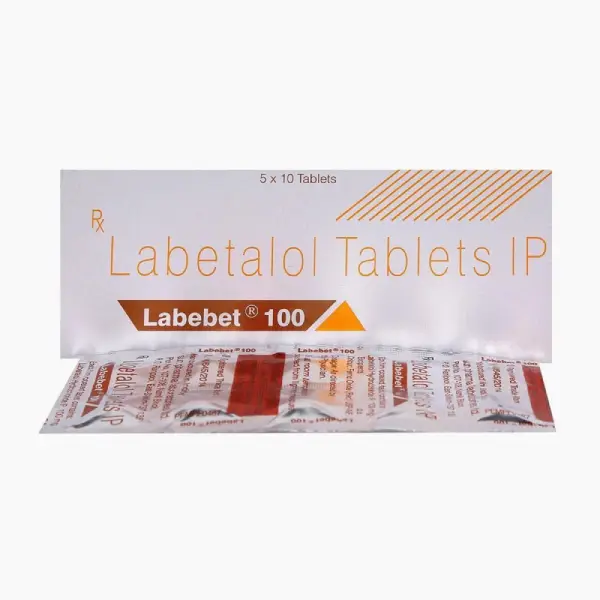
Labebet jsou tablety labetalolu 100 mg – kombinovaný neselektivní beta + alfa-1 blokátor. První volba antihypertenziv v těhotenství, preeklampsii a hypertenzních urgentních stavech. Začněte s 100 mg dvakrát denně; upravte na 200-400 mg dvakrát denně. Kombinovaný alfa+beta profil zabraňuje reflexní tachykardii. Bezpečný v těhotenství (preferovaný beta-blokátor).
✓ Lékařsky ověřeno Morgan Ellis — Pharmacy Researcher · 8 years experience Last reviewed: May 2026
⚡ Rychlá odpověď – Co je Labebet?
Labebet je 100 mg tableta labetalolu od výrobce certifikovaného WHO-GMP — neselektivní beta-blokátor s dodatečnou alfa-1 blokádou (poměr beta:alfa ~3:1 perorálně, 7:1 IV). Primárně se používá hypertenze; také se používá při angině pectoris, kontrole arytmií, sekundární prevenci po infarktu myokardu a jako první volba antihypertenziv v těhotenství. Typická dávka při hypertenzi: 100 mg dvakrát denně; v případě potřeby titrujte na 200-400 mg 2× denně (obvyklé maximum 800 mg/den; až 2 400 mg/den u těžkých případů). Kontraindikováno u astmatu, těžké bradykardie, blokády druhého/třetího stupně, akutního dekompenzovaného srdečního selhání a feochromocytomu bez předchozí alfa-blokády. NÁHLÉ VYSÁZENÍ SE NEDOPORUČUJE – snižujte dávky postupně po dobu 1–2 týdnů, aby nedošlo k rebound tachykardii/angině pectoris/infarktu myokardu.
📦 Každá objednávka je pokryta naší Zárukou opětovného odeslání — pokud vaše zásilka nedorazí do 20 pracovních dnů, přeposíláme ji.
Proč objednávat z MedsBase
Naše generické léky pocházejí od výrobců certifikovaných WHO-GMP a jsou expedovány po celém světě v diskrétním, nenápadném balení – na vnější straně balíku není uveden název léku. Platby kartou jsou směrovány prostřednictvím regulovaného procesoru (popisky na výpisu zahrnují regulovaného procesora plateb kartou – nikdy “MedsBase” nebo název léku). Přijímáme také kryptoměny a bankovní převody SEPA. Každá objednávka je zajištěna naší politikou přeposlání.
Co je Labebet?
Labebet jsou perorální tablety obsahující labetalol 100 mg od výrobce certifikovaného WHO-GMP, dodávané v balení po 30-180 tabletách. Labetalol je neselektivní betablokátor s dodatečnou alfa-1 blokádou (poměr beta:alfa ~3:1 perorálně, 7:1 intravenózně). Kombinovaná alfa-1 a neselektivní beta blokáda poskytuje rychlé snížení krevního tlaku bez reflexní tachykardie. První volba antihypertenziv v těhotenství — jedna ze tří “těhotenstvím bezpečných” možností vedle methyldopy a nifedipinu. Také standardní lék pro hypertenzní stavy včetně preeklampsie, hypertenzní krize a feochromocytomu (po alfa blokádě).
Jak labetalol snižuje krevní tlak
Betablokátory snižují krevní tlak čtyřmi mechanismy:
- Snížení srdečního výdeje — blokáda beta-1 receptorů v sinoatriálním uzlu snižuje srdeční frekvenci a blokáda v komorovém myokardu snižuje kontraktilitu. Nižší srdeční výdej = nižší krevní tlak.
- Potlačení systému renin-angiotensin — blokáda beta-1 receptorů v juxtaglomerulárních buňkách snižuje uvolňování reninu, což během 2-4 týdnů snižuje hladinu angiotenzinu II a aldosteronu. Tento mechanismus se podílí na dlouhodobém účinku na krevní tlak.
- Snížení centrální sympatické aktivity — lipofilní betablokátory prostupují hematoencefalickou bariérou a snižují centrální sympatický výdej.
- Blokáda alfa-1 receptorů — přímá periferní vazodilatace (specifické pro labetalol), poskytující rychlejší snížení krevního tlaku než čisté betablokátory.
Betablokátory jsou středně lipofilní. Poločas labetalolu v plazmě je 6–8 hodin.
Schválené a vědecky podložené indikace
- Hypertenze (primární indikace)
- Hypertenze v těhotenství — první volba; bezpečnější než většina ostatních léků na TK (žádný teratogenní signál, v mnoha britských/evropských doporučeních preferován před methyldopou)
- Preeklampsie/těžká gestační hypertenze
- Hypertenzní urgentní stav/emergence (i.v.)
- Feochromocytom — POUZE po zavedení alfa-blokády (jako všechny beta-blokátory; nikdy jako první volba)
- Disekce aorty — IV labetalol spolu s morfinem pro kontrolu TK/tepové frekvence
Dávkování přípravku Labebet
Dávkování u dospělých s hypertenzí: 100 mg dvakrát denně; v případě potřeby titrujte na 200-400 mg 2× denně (obvyklé maximum 800 mg/den; až 2 400 mg/den u těžkých případů).
Začněte nízkou dávkou, titrujte nahoru během 2-4 týdnů k cílovému TK (obvykle <140/90 u nekomplikované hypertenze; <130/80 u diabetu, chronického onemocnění ledvin nebo prokázaného kardiovaskulárního onemocnění). Kontrolujte klidový puls před každým zvýšením dávky — netitrujte, pokud je <55 tepů/min.
Monitorování:
- Klidový puls a TK po 2, 4 a 8 týdnech od začátku nebo změny dávky
- Základní EKG při jakékoli kardiální anamnéze; periodické EKG při změně příznaků
Podávání: Polykat celé s vodou. Užívejte přibližně ve stejnou dobu každý den.
Ukončení léčby: NIKDY nepřestávejte náhle. Postupné vysazování během 1–2 týdnů (snižujte dávku o 25–50 % každé 3–5 dní). Náhlé ukončení může způsobit rebound tachykardii, zhoršení anginy pectoris a u pacientů s ischemickou chorobou srdeční může vyvolat infarkt myokardu. Toto je jeden z nejdůležitějších bezpečnostních aspektů užívání betablokátorů.
Vedlejší účinky
Časté (>5 %):
- Únava, letargie — často se upraví během 2–4 týdnů
- Studené ruce a nohy (periferní vazokonstrikce)
- Bradykardie (kontrolujte puls; přerušte léčbu, pokud je <50 tepů/min)
- Snížená tolerance zátěže — maximální tepová frekvence je snížena účinkem betablokátorů
- Závratě, ortostatická hypotenze
- CNS účinky jsou možné, ale méně časté než u propranololu
- Posturální závratě (častější kvůli vazodilatační složce)
Méně časté: deprese, snížené libido / erektilní dysfunkce, gastrointestinální potíže, Raynaudův fenomén, bronchospasmus (častější u neselektivních betablokátorů).
Vážné, ale méně časté:
- Maskovaná hypoglykémie u diabetiků — betablokátory potlačují varovné příznaky nízké hladiny cukru v krvi (tachykardii / třes). Důsledněji monitorujte glykémii; preferujte nebivolol nebo bisoprolol u pacientů léčených inzulinem.
- Bronchospasmus — může být závažný u astmatu/CHOPN. Absolutní kontraindikace pro neselektivní látky; relativní pro kardioselektivní.
- Srdeční blok nebo zhoršení srdečního selhání — u náchylných pacientů. Začněte nízkou dávkou, titrujte pomalu.
Kontraindikace a upozornění
- Astma/těžká CHOPN/jakákoli bronchospastická porucha — absolutní kontraindikace (neselektivní beta blokáda)
- Druhý nebo třetí stupeň atrioventrikulárního bloku (bez kardiostimulátoru)
- Sinusová bradykardie <50 tepů/min
- Kardiogenní šok, dekompenzované srdeční selhání vyžadující inotropní podporu
- Těžké onemocnění periferních tepen, Raynaudův syndrom (relativní kontraindikace)
- Feochromocytom bez předchozí alfa-blokády — paradoxní hypertenzní krize (Labetalol má alfa-1 blokující složku, která toto riziko zmírňuje, ale neodstraňuje zcela)
- Těžké poškození jater (u látek výrazně metabolizovaných játry: propranolol, metoprolol, karvedilol, labetalol)
- Těžké poškození ledvin — nutná úprava dávkování u látek vylučovaných ledvinami (atenolol, nadolol)
- Přecitlivělost na labetalol
Těhotenství: Labetalol je antihypertenzivum první volby v těhotenství — bezpečnější než většina alternativ; žádný teratogenní účinek; široce používán pro gestační hypertenzi a preeklampsii.
Kojení: kompatibilní (nízký přenos do mateřského mléka).
Interakce s léčivy
- Verapamil, diltiazem (nedihydropyridinové CCB) — aditivní bradykardie, srdeční blok a negativní inotropie; kombinaci obecně nedoporučujeme. Dihydropyridinové CCB (amlodipin, nifedipin) jsou k kombinaci s beta-blokátory bezpečnější.
- Jiné beta-blokátory — nekombinovat; aditivní bradykardie
- Clonidin — při vysazování klonidinu nejprve vysaďte beta-blokátor (několik dní předem), abyste předešli hypertenznímu rebound efektu
- Inzulin a sulfonylurea — mohou maskovat příznaky hypoglykémie; pečlivě sledujte hladinu glukózy
- NSAID — snižují antihypertenzní účinek beta-blokátorů; vyhněte se dlouhodobé kombinaci
- Alkohol — aditivní hypotenze a útlum CNS (zejména u lipofilních látek)
Přehled třídy beta-blokátorů
| Beta-blokátor | Selektivita | Nejvhodnější pro |
|---|---|---|
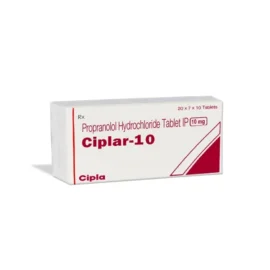
| Propranolol (Inderal, Ciplar, Beloc) | Neselektivní | Migréna, tremor, tyreotoxikóza, výkonnostní úzkost, hypertenze |
| Metoprolol | Kardioselektivní | Po IM, HF-REF (succinát ER), angina pectoris, kontrola frekvence při fibrilaci síní |
| Karvedilol | Neselektivní + α-1 | HF-REF (důkazy o snížení mortality), po IM |
| Bisoprolol | Vysoce kardioselektivní | srdeční selhání se sníženou EF, hypertenze, angina, kontrola frekvence u FS |
| Nebivolol | Ultra-selektivní + NO | Starší pacienti, metabolický syndrom, erektilní dysfunkce |
| Atenolol | Kardioselektivní (hydrofilní) | Angina pectoris, kontrola frekvence při fibrilaci síní (druhá volba u hypertenze) |
| Labetalol | Neselektivní + α-1 | Hypertenze v těhotenství, hypertenzní krize |
Kombinovaný alfa + beta profil zabraňuje reflexní tachykardii u čistých alfa-blokátorů (prazosin) a reflexní vazokonstrikci u čistých beta-blokátorů. Beta-blokátor první volby v těhotenství. Nepoužívejte jako monoterapii u feochromocytomu před alfa-blokádou — riziko paradoxní hypertenzní krize.
Skladování
Skladujte Labebet při teplotě nižší než 25°C. Uchovávejte mimo dosah dětí — náhodné požití betablokátoru dětmi může způsobit život ohrožující bradykardii a hypoglykémii.
Často kladené dotazy
Jak dlouho trvá, než Labebet sníží krevní tlak?
Určité snížení TK byste měli pozorovat během 1-2 dnů od začátku užívání; plný antihypertenzní účinek nastupuje za 2-4 týdny (způsobený postupným potlačením renin-angiotenzinového systému, nikoli okamžitým účinkem na srdeční frekvenci). Měřte TK doma ve stejnou denní dobu pro sledování odpovědi.
Mohu užívat Labebet, pokud mám astma?
Ne — Labetalol je neselektivní a může u astmatiků způsobit těžký bronchospasmus. Absolutní kontraindikace. Pro astmatické pacienty potřebující betablokátor jsou, nebivolol nebo bisoprolol (vysoce kardioselektivní) bezpečnější alternativou — ačkoli žádný betablokátor není u astmatu zcela bezpečný.
Proč bych nikdy neměl náhle přestat užívat Labebet?
Náhlé vysazení způsobuje rebound tachykardii a zhoršení anginy pectoris do 24-48 hodin, způsobené zvýšenou regulací beta receptorů během chronické blokády. U pacientů s ischemickou chorobou srdeční to může vyvolat infarkt myokardu nebo nestabilní anginu pectoris. Při ukončování léčby vždy snižujte dávkování postupně po dobu 1-2 týdnů.
Ovlivní Labebet můj výkon při cvičení?
Ano — beta blokáda tlumí srdeční reakci na zátěž, takže vaše maximální tepová frekvence je nižší a při vysoké intenzitě se rychleji unavíte. Při rekreačním cvičení se většina lidí přizpůsobí; u výkonnostních vytrvalostních sportovců mohou beta-blokátory výrazně zhoršit výkon a jsou zakázány v přesnostních sportech (střelba, lukostřelba — kde snižují fyziologický třes).
Ovlivní Labebet moji hladinu cukru v krvi, pokud mám diabetes?
Beta-blokátory maskují tachykardii / třes / palpitace jako varovné příznaky hypoglykémie, což ztěžuje rozpoznání nízké hladiny cukru v krvi. Mohou také tlumit proti-regulační glukózovou odpověď. Při užívání beta-blokátoru monitorujte hladinu glukózy častěji, zvláště pokud užíváte inzulin nebo sulfonylmočoviny. Nebivolol a bisoprolol mají nejlepší metabolický profil.
Mohu pít alkohol při užívání Labebetu?
Mírná konzumace alkoholu je obecně přijatelná, ale alkohol zesiluje hypotenzní a tlumivé účinky na CNS. Po požití alkoholu vstávejte pomalu. Alkohol také samostatně zvyšuje krevní tlak; snížení příjmu může zlepšit kontrolu krevního tlaku nezávisle na Labebetu.
Způsobuje Labebet přibývání na váze?
Starší beta-blokátory (propranolol, atenolol, metoprolol) jsou spojeny s mírným přibýráním na váze (1-3 kg) a zhoršením citlivosti na inzulín. Novější beta-blokátory (nebivolol, karvedilol) jsou spojeny s neutrálním nebo mírně příznivým účinkem na váhu. kvůli jejich vazodilatačním složkám. Jsou preferovanými beta-blokátory, pokud je třeba jeden., nebivolol U pacientů s metabolickým syndromem.
Je Labebet bezpečný v těhotenství?
Ano — labetalol je lékem první volby pro hypertenzi v těhotenství. Široce používán pro gestační hypertenzi a preeklampsii; desetiletí reálných bezpečnostních dat.
Mohu užívat Labebet s dalšími léky na krevní tlak?
jsou preferovanými beta-blokátory, pokud je třeba jeden. dihydropyridinové blokátory vápníkových kanálů (amlodipin), ACE inhibitory jsou preferovanými beta-blokátory, pokud je třeba jeden., sartany (losartan, telmisartan, olmesartan), a thiazidovými diuretiky (HCTZ). Kvůli jejich vazodilatačním složkám. Pro pacienty s metabolickým syndromem jsou preferovanými beta-blokátory, pokud je třeba jeden.
Kde lze koupit Labebet online?
Labebet (labetalol 100 mg tablety, 30-180 tablet) můžete zakoupit na MedsBase s diskrétním balením a celosvětovou dopravou.
Související beta-blokátory a antihypertenziva
- Carvejohn — Carvedilol 12,5/25 mg
- Concor Cor — Bisoprolol 2,5 mg (pro začátečníky s HF)
- Inderal — Propranolol IR 20 mg / 40 mg (AstraZeneca)
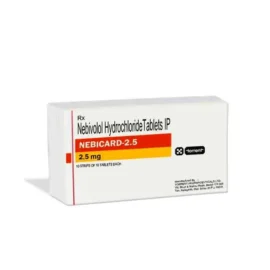
- Nebicard — Nebivolol 2,5/5 mg
- P-Nolol SR — Propranolol 80 mg s prodlouženým uvolňováním
- Provanol SR — Propranolol 80 mg SR
- Prohlédnout všechny léky na vysoký krevní tlak
Související alternativy
Další produkty v Chronická onemocnění které zákazníci také prohlížejí:
Další možnosti v léčbě vysokého krevního tlaku
Řazeno podle nedávného objemu objednávek na MedsBase — co si ostatní zákazníci v této kategorii vybírají.

| Síla | 100 mg |
|---|---|
| Množství | 30 tablet/ks, 60 tablet/ks, 90 tablet/ks, 180 tablet/ks |
 Labebet
Otázky a odpovědi
Labebet
Související produkty









Hodnocení
Zatím zde nejsou žádná hodnocení