







IGF-1 LR3
✅ Υποστηρίζει την κυτταρική ανάπτυξη
✅ Ενισχύει τη σύνθεση πρωτεϊνών
✅ Προάγει τη μεταβολική σηματοδότηση
✅ Βελτιώνει την αναγέννηση των ιστών
✅ Ενισχύει την κυτταρική επισκευή
IGF-1 LR3 περιέχει συνθετική πεπτιδική ένωση.
✓ Ιατρικά ελεγμένο από Morgan Ellis — Ερευνητής Φαρμακευτικής · 8 χρόνια εμπειρία · Τελευταία αναθεώρηση: Μάιος 2026
Γρήγορη Απάντηση — Τι είναι το IGF-1 LR3;
IGF-1 LR3 είναι ένα ερευνητικό πεπτίδιο που παρέχεται ως λυοφιλισμένη σκόνη για ανασύνθεση. Πωλείται μόνο για εργαστηριακές και ερευνητικές εφαρμογές και δεν έχει εγκριθεί για θεραπευτική χρήση σε ανθρώπους από τον FDA, την EMA, την MHRA ή άλλους μεγάλους ρυθμιστικούς φορείς φαρμάκων. Οι πληροφορίες σε αυτή τη σελίδα περιγράφουν δημοσιευμένη προκλινική και πρώιμη κλινική βιβλιογραφία· δεν αποτελούν ιατρική συμβουλή ή οδηγία δοσολογίας. Διαβάστε τον συνδεδεμένο ερευνητικό μας οδηγό για την πλήρη σύνοψη αποδεικτικών στοιχείων.
Πεπτίδιο IGF-1 LR3
Το IGF-1 LR3 (Insulin-Like Growth Factor-1 Long R3) είναι ένα τροποποιημένο ανάλογο του παράγοντα ανάπτυξης παρόμοιου με την ινσουλίνη, σχεδιασμένο για έρευνα σχετικά με τη σηματοδότηση κυτταρικής ανάπτυξης, αναβολικές οδούς και μεταβολική ρύθμιση. Αυτή η εκτεταμένη παραλλαγή περιλαμβάνει δομικές τροποποιήσεις που αυξάνουν τη σταθερότητά του και παρατείνουν τη βιολογική του δραστηριότητα σε σύγκριση με το τυπικό IGF-1, επιτρέποντας στους ερευνητές να μελετήσουν τη διαρκή ενεργοποίηση των υποδοχέων IGF-1 σε εργαστηριακά μοντέλα. Το IGF-1 LR3 αλληλεπιδρά με τους υποδοχείς IGF-1 που εμπλέκονται στην κυτταρική πολλαπλασιασμό, τη σύνθεση πρωτεϊνών και τη χρήση θρεπτικών συστατικών. Λόγω της εκτεταμένης ημιζωής του και της μειωμένης δέσμευσης με πρωτεΐνες δέσμευσης IGF, παρέχει ένα χρήσιμο πλαίσιο για την εξέταση μηχανισμών που σχετίζονται με την ανάπτυξη ιστών, τη μεταβολική απόδοση και τις διαδικασίες κυτταρικής επισκευής. Μελέτες έρευνας υποδηλώνουν ότι το IGF-1 LR3 μπορεί να υποστηρίξει οδούς που σχετίζονται με την ανάπτυξη μυϊκών κυττάρων, τη βελτιωμένη σύνθεση πρωτεϊνών, την καλύτερη ανάκαμψη από φυσικό στρες και τη ρύθμιση του μεταβολισμού της γλυκόζης. Η δραστηριότητά του το καθιστά επίσης πολύτιμο για τη διερεύνηση αναγεννητικής σηματοδότησης, κυτταρικής διαφοροποίησης και αναβολικών αντιδράσεων σε ελεγχόμενα πειραματικά περιβάλλοντα.
Επισκόπηση Προϊόντος
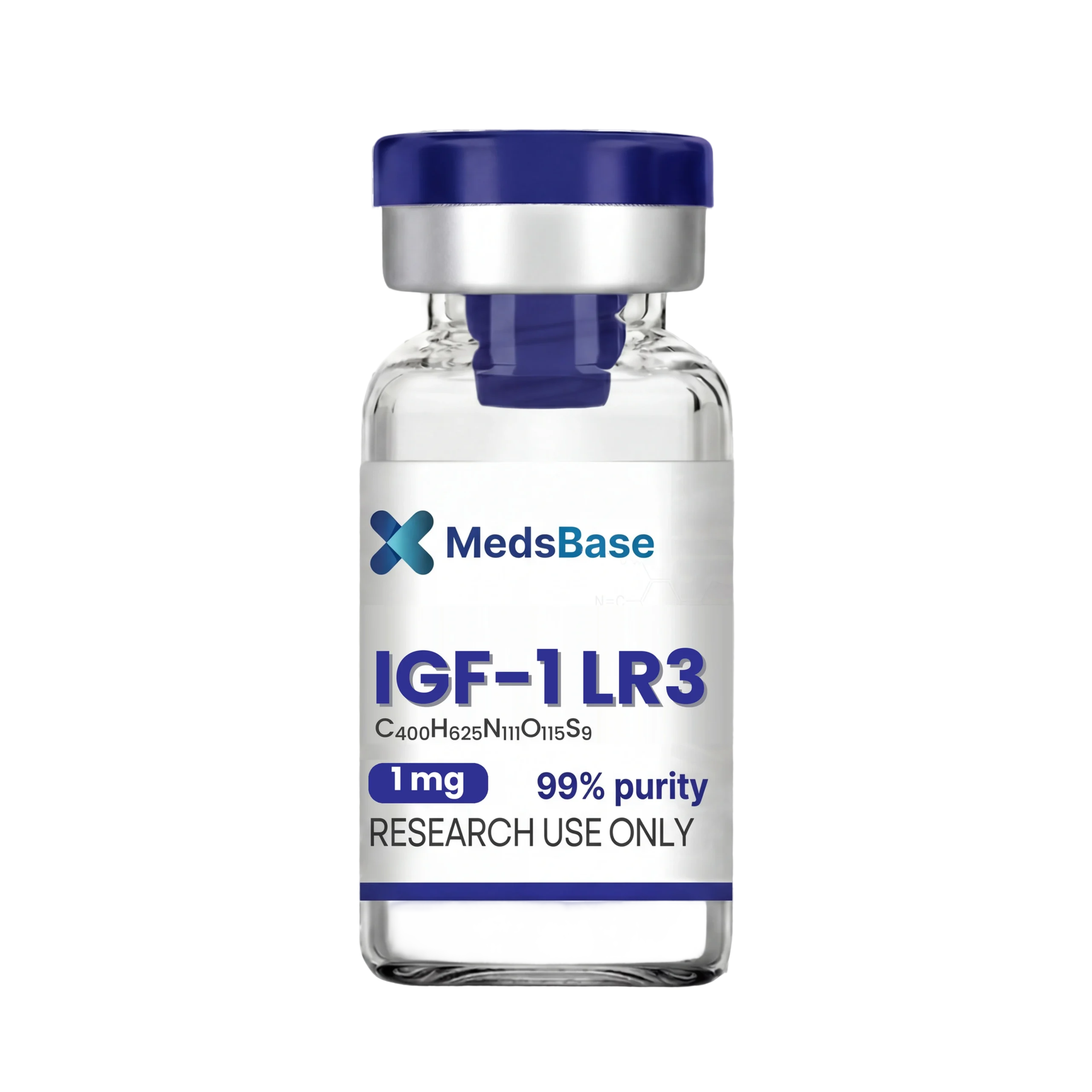
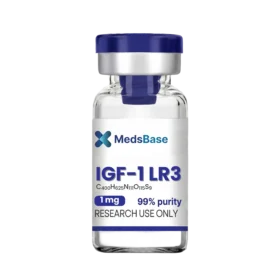
Το IGF-1 LR3 είναι ένα συνθετικό ερευνητικό πεπτίδιο που ταξινομείται ως τροποποιημένο ανάλογο παράγοντα ανάπτυξης παρόμοιου με την ινσουλίνη, σχεδιασμένο να επεκτείνει τη βιολογική σταθερότητα και τη διάρκεια αλληλεπίδρασης με τους υποδοχείς σε εργαστηριακά μοντέλα. Με τον μοριακό τύπο C400H625N111O115S9 και μοριακή μάζα 9117.60 g/mol, το πεπτίδιο IGF-1 LR3 μελετάται ευρέως σε πειραματικά ερευνητικά περιβάλλοντα που εστιάζουν στις οδούς κυτταρικής ανάπτυξης και στη μεταβολική σηματοδότηση. Κάθε φιαλίδιο περιέχει 0.1 mg ή 1 mg λυοφιλιωμένου IGF-1 LR3 σε υψηλής καθαρότητας λυοφιλιωμένη μορφή, σχεδιασμένο για εργαστηριακή έρευνα. Το πεπτίδιο εκτιμάται για τις δομικές του τροποποιήσεις που μειώνουν τη δέσμευση με πρωτεΐνες δέσμευσης IGF και παρατείνουν τη δραστηριότητα των υποδοχέων σε ελεγχόμενα ερευνητικά περιβάλλοντα. Παράδειγμα εναλλακτικού κειμένου εικόνας: “φιαλίδιο λυοφιλιωμένου πεπτιδίου IGF-1 LR3 για εργαστηριακή έρευνα”. Το IGF-1 LR3 για έρευνα διατηρεί τη σταθερότητά του υπό κατάλληλες συνθήκες αποθήκευσης με διάρκεια ζωής περίπου 36 μηνών και προορίζεται αυστηρά μόνο για ερευνητική και εργαστηριακή χρήση.
Ερευνητικές Εφαρμογές
Το πεπτίδιο IGF-1 LR3 χρησιμοποιείται συνήθως σε εργαστηριακές έρευνες για τη μελέτη της κυτταρικής ανάπτυξης και της δραστηριότητας των αναβολικών μονοπατιών. In vitro μελέτες συχνά εξετάζουν την ενεργοποίηση των υποδοχέων IGF-1 και τους ενδοκυτταρικούς μηχανισμούς σηματοδότησης που σχετίζονται με τη σύνθεση πρωτεϊνών και την αξιοποίηση θρεπτικών ουσιών. Προκλινικά μοντέλα χρησιμοποιούν το IGF-1 LR3 για έρευνα προκειμένου να αναλύσουν τα μοτίβα κυτταρικής πολλαπλασιασμού και τις αντιδράσεις μεταβολικής ρύθμισης. Οι ερευνητές εξετάζουν επίσης περιβάλλοντα καλλιέργειας ιστών όπου η σηματοδότηση των αυξητικών παραγόντων μπορεί να μετρηθεί υπό ελεγχόμενες πειραματικές συνθήκες. Το IGF-1 LR3 υποστηρίζει έρευνες σχετικά με τη διαφοροποίηση των κυττάρων, τις μεταβολικές κασκαντέδες σηματοδότησης και τα αναβολικά μονοπάτια απόκρισης. Αυτές οι εφαρμογές παρέχουν πολύτιμες πληροφορίες για τους μηχανισμούς που σχετίζονται με τα δίκτυα σηματοδότησης ανάπτυξης σε πειραματικά ερευνητικά πλαίσια.
Ανασύνθεση και Χειρισμός
Το λυοφιλισμένο IGF-1 LR3 θα πρέπει να ανασυντεθεί χρησιμοποιώντας βακτηριοστατικό νερό σε ένα αποστειρωμένο εργαστηριακό περιβάλλον. Οι ερευνητές θα πρέπει να εφαρμόζουν αυστηρή ασηπτική τεχνική κατά την εισαγωγή του διαλύτη στο φιαλίδιο για να διατηρήσουν την ακεραιότητα του πεπτιδίου και την ακρίβεια του πειράματος. Εισάγετε το διάλυμα αργά κατά μήκος του εσωτερικού τοιχώματος του φιαλιδίου για να αποφευχθεί η αποσταθεροποίηση του πεπτιδίου. Αποφύγετε να κουνήσετε το φιαλίδιο· αντίθετα, ανακατέψτε απαλά μέχρι το λυοφιλισμένο σκόνη IGF-1 LR3 να διαλυθεί πλήρως. Μετά την ανασύνθεση, αποθηκεύστε το διάλυμα στους 2–8°C και διατηρήστε το σε ένα ελεγχόμενο εργαστηριακό περιβάλλον. Οι σωστές διαδικασίες χειρισμού βοηθούν στη διατήρηση της σταθερότητας του πεπτιδίου IGF-1 LR3 για συνεπή πειραματικά αποτελέσματα.
Μηχανισμός Δράσης
Το πεπτίδιο IGF-1 LR3 αλληλεπιδρά πρωτίστως με τους υποδοχείς ινσουλινοειδούς αυξητικού παράγοντα που εμπλέκονται στην κυτταρική ανάπτυξη και τη μεταβολική σηματοδότηση. Σε πειραματικά ερευνητικά πλαίσια, αυτή η αλληλεπίδραση διεγείρει ενδοκυτταρικά μονοπάτια που σχετίζονται με τη σύνθεση πρωτεϊνών, την πρόσληψη θρεπτικών ουσιών και τους δείκτες κυτταρικού πολλαπλασιασμού. Η δομική τροποποίηση του IGF-1 LR3 μειώνει την συγγένεια με τις πρωτεΐνες δέσμευσης IGF, επιτρέποντας διαρκή ενεργοποίηση των υποδοχέων σε εργαστηριακά μοντέλα. In vitro μελέτες δείχνουν ότι αυτή η παρατεταμένη σηματοδότηση μπορεί να επηρεάσει μονοπάτια που σχετίζονται με αναβολικές κυτταρικές αποκρίσεις. Οι ερευνητές χρησιμοποιούν το IGF-1 LR3 για έρευνα προκειμένου να εξερευνήσουν τη δυναμική ενεργοποίησης των υποδοχέων και τις κασκαντέδες των μοριακών σημάτων. Αυτοί οι μηχανισμοί παρέχουν πληροφορίες για τις ρυθμιστικές διαδικασίες που σχετίζονται με την κυτταρική ανάπτυξη και τη μεταβολική προσαρμογή.
Οδηγίες Δοσολογίας Έρευνας
Μόνο για ερευνητική αναφορά – όχι για ανθρώπινη χρήση. Οι ερευνητικές δόσεις που αναφέρονται στη δημοσιευμένη πειραματική βιβλιογραφία ποικίλλουν ανάλογα με το μοντέλο σύστημα και το σχεδιασμό της δοκιμασίας. In vitro έρευνες συχνά χρησιμοποιούν συγκεντρώσεις πεπτιδίου IGF-1 LR3 που μετρώνται σε νανόμολες έως μικρομολές, ανάλογα με την ευαισθησία της κυτταρικής σειράς. Προκλινικά πειραματικά μοντέλα μπορεί να προσαρμόσουν τις παραμέτρους συγκέντρωσης για να αξιολογήσουν τις αποκρίσεις σηματοδότησης των υποδοχέων και τους δείκτες μεταβολικής δραστηριότητας. Οι ερευνητές θα πρέπει να καθορίσουν τις βέλτιστες συγκεντρώσεις μέσω προκαταρκτικής επικύρωσης της δοκιμασίας. Το λυοφιλισμένο IGF-1 LR3 θα πρέπει να παρασκευάζεται και να μετράται προσεκτικά για να διατηρηθεί η πειραματική συνοχή.
Πιθανά Οφέλη Έρευνας
- Δείκτες κυτταρικής απόκρισης που σχετίζονται με τη σηματοδότηση αυξητικών παραγόντων
- Παρατηρήσεις καλλιέργειας ιστών σχετικά με την ενεργοποίηση αναβολικών μονοπατιών
- Σταθερότητα της σηματοδοτικής δραστηριότητας σε προσομοιωμένα μεταβολικά περιβάλλοντα
- Δυνητικότητα αλληλεπίδρασης υποδοχέων με μονοπάτια σηματοδότησης IGF-1
- Δείκτες σηματοδότησης αγγειογενετικών και πολλαπλασιαστικών μονοπατιών
Πειραματικές Παρατηρήσεις
Εργαστηριακές έρευνες που αφορούν το πεπτίδιο IGF-1 LR3 συχνά παρατηρούν ενισχυμένη σηματοδοτική δραστηριότητα στα μονοπάτια των υποδοχέων IGF-1 υπό ελεγχόμενες πειραματικές συνθήκες. In vitro μοντέλα καλλιέργειας κυττάρων δείχνουν μετρήσιμες αλλαγές στους δείκτες κυτταρικού πολλαπλασιασμού και τους δείκτες σύνθεσης πρωτεϊνών. Οι ερευνητές που μελετούν τη μεταβολική σηματοδότηση συχνά καταγράφουν αλλαγές στα μονοπάτια πρόσληψης θρεπτικών ουσιών όταν το IGF-1 LR3 εισάγεται σε πειραματικά συστήματα. Προκλινικά μοντέλα έχουν επίσης εξετάσει το IGF-1 LR3 σε σχέση με τη σηματοδότηση διαφοροποίησης και τα μοτίβα κυτταρικής ανάπτυξης. Αυτές οι παρατηρήσεις συμβάλλουν στην κατανόηση του πώς η διαρκή ενεργοποίηση των υποδοχέων επηρεάζει πολύπλοκα κυτταρικά δίκτυα. Το IGF-1 LR3 για έρευνα παρέχει επομένως ένα αναπαραγώγιμο πλαίσιο για τη μελέτη αναβολικών μονοπατιών σηματοδότησης σε πειραματικά ερευνητικά πλαίσια.
Ερευνητικές Εκτιμήσεις
Οι ερευνητές που εργάζονται με το IGF-1 LR3 θα πρέπει να διασφαλίζουν ότι ακολουθούνται αυστηρά εργαστηριακά πρωτόκολλα για τη διατήρηση της σταθερότητας του πεπτιδίου και της εγκυρότητας του πειράματος. Περιβαλλοντικές συνθήκες όπως η θερμοκρασία, η συμβατότητα των διαλυτών και η ευαισθησία της δοκιμασίας μπορούν να επηρεάσουν τη συμπεριφορά του πεπτιδίου σε in vitro μελέτες. Συνιστάται προσεκτική βαθμονόμηση των συγκεντρώσεων πριν από την έναρξη εκτεταμένης εργαστηριακής έρευνας. Το πεπτίδιο IGF-1 LR3 μπορεί να αλληλεπιδρά με άλλους αυξητικούς παράγοντες ή μόρια σηματοδότησης σε πολύπλοκα πειραματικά συστήματα. Η τεκμηρίωση των διαδικασιών χειρισμού και των πειραματικών παραμέτρων είναι απαραίτητη για την αναπαραγωγιμότητα. Όλες οι εργασίες που αφορούν το IGF-1 LR3 πρέπει να παραμένουν εντός των εγκεκριμένων οδηγιών ερευνητικής και εργαστηριακής χρήσης.
Ειδοποίηση Ασφαλείας
Το πεπτίδιο IGF-1 LR3 θα πρέπει να χειρίζεται χρησιμοποιώντας τυπικές εργαστηριακές πρακτικές ασφαλείας, συμπεριλαμβανομένων προστατευτικού εξοπλισμού και κατάλληλων διαδικασιών περιορισμού. Οι ερευνητές πρέπει να διασφαλίζουν ότι η ένωση αποθηκεύεται, χειρίζεται και απορρίπτεται σύμφωνα με τις οδηγίες ασφαλείας του εργαστηρίου του ιδρύματος. Η άμεση έκθεση θα πρέπει να ελαχιστοποιείται και θα πρέπει να χρησιμοποιούνται εργαστηριακά εργαλεία χειρισμού κατά την προετοιμασία πειραματικών διαλυμάτων. Αυτό το πεπτίδιο προορίζεται αποκλειστικά για επιστημονική έρευνα και δεν πρέπει να χρησιμοποιείται εκτός ελεγχόμενων ερευνητικών περιβαλλόντων. Το IGF-1 LR3 δεν έχει εγκριθεί για ανθρώπινη ή κτηνιατρική χρήση και θα πρέπει να χρησιμοποιείται μόνο σε επαγγελματικά ερευνητικά εγκαταστάσεις.
Αποποίηση ευθυνών: Αυτό το προϊόν προορίζεται αυστηρά για εργαστηριακές ερευνητικές χρήσεις μόνο και δεν είναι για ανθρώπινη ή κτηνιατρική χρήση. Οι πληροφορίες που παρέχονται είναι για εκπαιδευτική και επιστημονική αναφορά και δεν πρέπει να ερμηνευθούν ως ιατρική συμβουλή ή ως σύσταση για οποιαδήποτε μορφή χορήγησης. Οι ερευνητές θα πρέπει να ακολουθούν όλους τους ισχύοντες κανονισμούς και θεσμικές οδηγίες κατά τη χειρισμό αυτού του υλικού.
Πληροφορίες αποθήκευσης
Αποθηκεύστε το λυοφιλισμένο IGF-1 LR3 στους −20°C για μακροπρόθεσμη αποθήκευση προκειμένου να διατηρηθεί η σταθερότητα και η δομική ακεραιότητα του πεπτιδίου. Για βραχυπρόθεσμη εργαστηριακή χρήση, το πεπτίδιο μπορεί να αποθηκευτεί στους 2–8°C υπό ελεγχόμενες συνθήκες ψύξης. Προστατέψτε το IGF-1 LR3 από την άμεση έκθεση στο φως για να αποφευχθεί η υποβάθμιση της δομής του πεπτιδίου. Αποφύγετε επαναλαμβανόμενους κύκλους κατάψυξης-απόψυξης καθώς αυτοί μπορεί να μειώσουν τη σταθερότητα του πεπτιδίου και να επηρεάσουν την αναπαραγωγιμότητα του πειράματος. Όταν αποθηκεύεται σωστά, το IGF-1 LR3 διατηρεί διάρκεια ζωής περίπου 36 μηνών. Η σωστή αποθήκευση διασφαλίζει αξιόπιστη εργαστηριακή απόδοση του λυοφιλισμένου IGF-1 LR3 για έρευνα.
Καθαρότητα & Ποιότητα
Όλα τα φιαλίδια IGF-1 LR3 που διατίθενται από τη MedsBase παρέχονται με καθαρότητα HPLC 99%+ σε λυοφιλισμένη μορφή. Πιστοποιητικό ανάλυσης (COA) είναι διαθέσιμο κατόπιν αιτήματος — στείλτε μήνυμα στην ομάδα υποστήριξής μας μετά την υποβολή της παραγγελίας σας και θα σας προωθήσουμε το COA ειδικό για την παρτίδα των φιαλιδίων που λάβατε.
Συχνές Ερωτήσεις
Ποια είναι η ρυθμιστική κατάσταση του IGF-1 LR3;
Το IGF-1 LR3 είναι δεν έχει εγκριθεί για θεραπευτική χρήση σε ανθρώπους στις Ηνωμένες Πολιτείες, την Ευρωπαϊκή Ένωση, το Ηνωμένο Βασίλειο, τον Καναδά ή την Αυστραλία. Πωλείται μόνο για εφαρμογές ερευνητικής χρήσης. Ορισμένα πεπτίδια αυτής της κατηγορίας έχουν χρησιμοποιηθεί σε κλινικές δοκιμές πρώιμης φάσης, αλλά κανένας μεγάλος ρυθμιστικός φορέας δεν έχει εκδώσει άδεια κυκλοφορίας για τις ενδείξεις που συζητούνται στη δημοφιλή βιβλιογραφία.
Πώς ανασυνθέτεται το IGF-1 LR3;
Τα λυοφιλισμένα πεπτίδια συνήθως ανασυντίθενται με βακτηριοστατικό νερό ή στείρο νερό για ενέσεις (BWFI / SWFI) σε μια συγκέντρωση κατάλληλη για την προγραμματισμένη δόση. Προσθέστε το αραιωτικό αργά κατά μήκος του εσωτερικού τοιχώματος του φιαλιδίου — μην εγχύετε τη ροή απευθείας στην πούδρα ή κουνήστε δυνατά, καθώς και οι δύο ενέργειες αποφυσιοποιούν το πεπτίδιο. Ανακατέψτε απαλά μέχρι να διαλυθεί πλήρως. Τα ανασυσταθέντα πεπτίδια συνήθως αποθηκεύονται σε ψυγείο στους 2–8°C.
Πώς πρέπει να αποθηκεύεται το IGF-1 LR3;
Τα λυοφιλισμένα φιαλίδια είναι σταθερά για μεγάλες περιόδους όταν αποθηκεύονται στους −20°C ή σε ψυγείο στους 2–8°C, μακριά από άμεσο φως. Μετά την ανασύνθεση, τα περισσότερα πεπτίδια είναι σταθερά για 14–30 ημέρες σε ψυγείο, ανάλογα με το ρυθμιστικό διάλυμα και το συγκεκριμένο πεπτίδιο. Πάντα διαβάστε το πιστοποιητικό ανάλυσης που συνοδεύει το φιαλίδιο για τις συστάσεις αποθήκευσης και τα δεδομένα σταθερότητας του προμηθευτή.
Τι δείχνουν οι δημοσιευμένες έρευνες;
Η δημοσιευμένη βιβλιογραφία για το IGF-1 LR3 συνοψίζεται στον συνδεδεμένο ερευνητικό οδηγό μας. Διαχωρίζουμε τα προκλινικά δεδομένα (πειράματα σε τρωκτικά/κυτταροκαλλιέργειες), όπου είναι συνεπή και αναπαραγώγιμα, από τα δεδομένα κλινικών δοκιμών, όπου τα στοιχεία είναι συνήθως λιγότερα. Επίσης, επισημαίνουμε περιπτώσεις όπου δημοφιλείς ισχυρισμοί στο διαδίκτυο υπερβαίνουν τα δημοσιευμένα δεδομένα.
Είναι νόμιμη η διεθνής παραγγελία του IGF-1 LR3;
Τα ερευνητικά πεπτίδια βρίσκονται σε ένα αμφίβολο κανονιστικό πλαίσιο. Οι κανόνες εισαγωγής διαφέρουν ανά χώρα και έχουν αλλάξει σε πολλές δικαιοδοσίες τα τελευταία χρόνια. Είναι ευθύνη του αγοραστή να επιβεβαιώσει τη νομιμότητα εισαγωγής στη χώρα προορισμού πριν από την παραγγελία. Η MedsBase αποστέλλει πεπτίδια παγκοσμίως μέσω του αφοσιωμένου μας μεταφορέα πεπτιδίων· οι παραγγελίες που παραβιάζουν τους κανόνες εισαγωγής της χώρας προορισμού μπορεί να κατασχεθούν στα τελωνεία.
Ποια είναι η ημιζωή του IGF-1 LR3;
Το IGF-1 LR3 έχει εκτιμώμενη ημιζωή 20–30 ώρες σε προκλινικές έρευνες — σημαντικά μεγαλύτερη από αυτή του φυσικού IGF-1 (περίπου 6–8 ώρες). Η τροποποίηση LR3 μειώνει την συγγένεια με τις πρωτεΐνες σύνδεσης IGF (IGFBPs), αυξάνοντας το ελεύθερο (βιοδιαθέσιμο) κλάσμα του IGF-1 στην κυκλοφορία και επιμηκύνοντας τη διάρκεια δράσης.
Πώς διαφέρει το IGF-1 LR3 από το φυσικό IGF-1;
Το IGF-1 LR3 είναι ένα ανάλογο 83 αμινοξέων του φυσικά υπάρχοντος IGF-1 που αποτελείται από 70 αμινοξέα. Η τροποποίηση LR3 μειώνει σημαντικά τη σύνδεση με τις έξι γνωστές πρωτεΐνες σύνδεσης IGF (IGFBPs), οι οποίες κανονικά απομονώνουν ~98% του ενδογενούς IGF-1. Αυτό έχει ως αποτέλεσμα ένα σημαντικά υψηλότερο κλάσμα ελεύθερου πεπτιδίου και επιμηκυμένη ημιζωή, καθιστώντας το IGF-1 LR3 μια προτιμώμενη ένωση σε έρευνες που απαιτούν παρατεταμένη ενεργοποίηση του υποδοχέα IGF-1.
Μπορώ να παραγγείλω IGF-1 LR3 μαζί με άλλα πεπτίδια;
Ναι. Οι παραγγελίες πεπτιδίων συσκευάζονται και αποστέλλονται μαζί μέσω της υπηρεσίας μεταφορέας αποκλειστικά για πεπτίδια. Τα λυοφιλισμένα φιαλίδια είναι σταθερά σε θερμοκρασία για τη διάρκεια της τυπικής διεθνούς μεταφοράς. Δείτε τη σελίδα κατηγορίας πεπτιδίων μας για την πλήρη γκάμα και τον οδηγό σύγκρισης “Καλύτερα πεπτίδια για ανάκαμψη” για ζητήματα στοίβαξης από τη δημοσιευμένη βιβλιογραφία.
Τα πρωτόκολλα IGF-1 LR3 συχνά περιλαμβάνουν BPC-157 και TB-500 για υποστήριξη αρθρώσεων και τενόντων κατά τη φάση αναβολισμού που προκαλείται από το IGF-1. Η Peptide Healing Stack (BPC-157 5 mg + TB-500 5 mg + βακτηριοστατικό νερό) προσφορά μας περιλαμβάνει και τα δύο λυοφιλισμένα φιαλίδια με νερό ανασύνθεσης σε τιμή μεταφορικών $0 για τα πεπτίδια.
Άλλα πεπτίδια για έρευνα ανάκαμψης και απόδοσης
- BPC-157 — Body Protection Compound — έρευνα ανάκαμψης τένοντα, συνδέσμου, εντέρου
- TB-500 — Θραύσμα Thymosin Beta-4 — έρευνα ανάκαμψης μαλακών ιστών και αγγείων
- Ιπαμορελίνη — Επιλεκτικός αγωνιστής ghrelin — καθαρός παλμός GH χωρίς κορτιζόλη/προλακτίνη
- CJC-1295 with DAC — Αναλογικό GHRH με παρατεταμένο χρόνο ημιζωής
- GHK-Cu — Πεπτίδιο χαλκού — έρευνα για αναγέννηση δέρματος και συνδετικού ιστού
Περαιτέρω ανάγνωση
📖 Μάθετε την έρευνα πίσω από αυτό το πεπτίδιο
Διαβάστε τον πλήρη αποδεικτικά τεκμηριωμένο οδηγό μας: IGF-1 LR3 — ειλικρινής επιστήμη, δοσολογία & ασφάλεια. Καλύπτει τον μηχανισμό δράσης, δημοσιευμένα δεδομένα μελέτης, τυπικές ερευνητικές δοσολογίες, πρωτόκολλα ανασύνθεσης, ζητήματα στοίβαξης και σημειώσεις ασφαλείας/αντενδείξεων.
📦 Κάθε παραγγελία καλύπτεται από την Πολιτική Εγγύησης Επαναποστολής — εάν το δέμα σας δεν φτάσει εντός 20 εργάσιμων ημερών, το επαναποστέλλουμε.
| Προδιαγραφή | Λεπτομέρεια |
|---|---|
| Αριθμός CAS | 946870-92-4 |
| Μοριακός Τύπος | C400H625N111O120S9 |
| Μοριακό Βάρος | ~9117.4 Da |
| Ακολουθία | Long R3 IGF-1 (83 αμινοξέα; N-τερμικό MFPAMPLSSLFVNGPRTLCGAELVDALQFVCGDRGFYFNKPTGYGSSSRRAPQTGIVDECCFRSCDLRRLEMYCAPLKPAKSA) |
| Μορφή | Υαλοποιημένη σκόνη (ή όπως παρέχεται) |
| Καθαρότητα | ≥99% (HPLC επαληθευμένο, COA κατόπιν αιτήματος) |
| Αποθήκευση | Λυοφιλισμένο: 2–8 °C (ψυγείο) για το τρέχον απόθεμα· −20 °C για μακροπρόθεσμη αποθήκευση ανοιχτών φιαν φιαλίδια. Ανασυντεθειμένο: 2–8 °C, χρήση εντός ~30 ημερών. Αποφύγετε έντονο κούνημα· μεγάλα πεπτίδια διαφθείρονται με κούνημα. Μην καταψύχετε-αναθερμαίνετε το ανασυντεθειμένο διάλυμα. |
| Διαλυτότητα | Βακτηριοστατικό νερό (προτείνεται) ή στειρωμένο νερό για μικρότερα χρονικά διαστήματα χρήσης |
| Ερευνητική Χρήση | Μόνο για εργαστηριακή έρευνα. Δεν προορίζεται για διαγνωστική ή θεραπευτική χρήση σε ανθρώπους ή ζώα. |
Περισσότερες επιλογές σε Πεπτίδια
Ταξινομημένα σύμφωνα με τον όγκο παραγγελιών στο MedsBase — τι επιλέγουν άλλοι πελάτες σε αυτήν την κατηγορία.
| Ισχύς | 0.1 mg, 1 mg |
|---|---|
| Ποσότητα | 10 Φιαλίδια, 20 Φιαλίδια, 30 Φιαλίδια |
 IGF-1 LR3
Ερωτήσεις & Απαντήσεις
IGF-1 LR3
Σχετικά προϊόντα

Κριτικές
Δεν υπάρχουν ακόμη κριτικές