







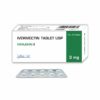

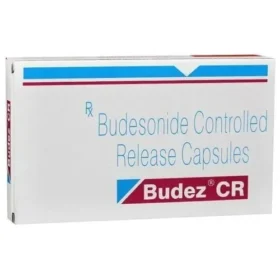
Budez CR

✅ Behandelt inflammatoire darmziekten
✅ Vermindert symptomen van de ziekte van Crohn
✅ Houdt colitis ulcerosa onder controle
✅ Minimaliseert maag-darmontstekingen
✅ Verlicht buikpijn
Budez CR bevat Budesonide.
✓ Medisch beoordeeld door Morgan Ellis — Apotheekonderzoeker · 8 jaar ervaring · Laatst beoordeeld: mei 2026
⚡ Kort antwoord — Wat is Budez CR?
Budez CR is een gecontroleerd afgevende orale capsule van Sun Pharma met budesonide 3 mg — een krachtig synthetisch glucocorticoid geformuleerd met pH- en tijdsafhankelijke afgifte die het werkzame geneesmiddel direct afgeeft aan het terminale ileum en het opstijgende colon. Budesonide heeft ~90% eerste-pas levermetabolisme, dus ondanks dat het een sterk glucocorticoid is op weefselniveau, is de systemische blootstelling ~10% van die van een equivalente ontstekingsremmende dosis prednisolon — wat minder Cushingoïde kenmerken, minder HPA-onderdrukking en minder botverlies geeft. Gebruikt voor milde tot matig actieve ziekte van Crohn die het terminale ileum of het opstijgende colon betreft, microscopische colitis (collagene en lymfocytische), en off-label voor auto-immuunhepatitis. Standaard dosering voor volwassenen: 9 mg eenmaal daags 's ochtends gedurende 8–10 weken, vervolgens afbouwen. Systemische bijwerkingen van steroïden treden nog steeds op — vooral bij langdurige kuren, dosisverhoging of gelijktijdig voorschrijven van sterke CYP3A4-remmers (bijv. ketoconazol, ritonavir, claritromycine, grapefruitsap).
📦 Elke bestelling is gedekt door onze Reshipment Assurance-beleid — als uw pakket niet binnen 20 werkdagen arriveert, sturen wij het opnieuw.
Waarom bestellen bij MedsBase
Onze generieke medicijnen zijn afkomstig van WHO-GMP gecertificeerde fabrikanten en worden wereldwijd verzonden in discrete, eenvoudige verpakkingen — geen medicijnnaam op de buitenkant van het pakket. Betalingen met kaart worden verwerkt via een gereguleerde processor (betalingsoverzichten vermelden een gereguleerde kaartbetalingprocessor — nooit “MedsBase” of een medicijnnaam). Crypto en SEPA bankoverschrijvingen worden ook geaccepteerd. Elke bestelling wordt ondersteund door ons Reshipment Assurance Policy.
Wat Is Budez CR?
Budez CR is een gecontroleerd afgevende (CR) orale capsule geproduceerd door Sun Pharma die bevat budesonide 3 mg. Budesonide is een tweede generatie glucocorticosteroïd dat ongeveer 15× zo potent is als hydrocortison en 5× zo potent als prednisolon op weefselniveau — maar uniek is dat ongeveer 90% van het geabsorbeerde geneesmiddel bij eerste passage door de lever wordt geïnactiveerd.
Budez CR is Sun Pharma’s generieke equivalent van Entocort EC / Uceris — een gecontroleerd afgevende orale budesonidecapsule ontworpen om het actieve geneesmiddel vrij te geven in het terminale ileum en het opstijgende colon. Op deze site is het het enige darmgerichte corticosteroid dat wordt aangeboden en is het het voorkeurs eerstelijns steroïd voor ileocaecale ziekte van Crohn en microscopische colitis. De CR-coating is ontworpen om op te lossen bij pH > 5.5 (terminale ileum en rechter colon) in plaats van in de maag of duodenum, zodat het geneesmiddel precies daar vrijkomt waar ontsteking het meest actief is bij ileocaecale ziekte van Crohn en microscopische colitis. Deze weefselgerichte afgifte plus bijna totale hepatische first-pass metabolisme is wat Budez CR het voorkeurs corticosteroid maakt voor gastro-enterologen die ileocaecale ziekte van Crohn behandelen in 2026 — het produceert vergelijkbare remissiepercentages als prednisolon in deze subgroep met ongeveer de helft van de systemische steroïde bijwerkingen.
Hoe Werkt Budez CR?
Budez CR bereikt een darmselectief ontstekingsremmend effect via drie mechanismen:
- Gerichte afgifte in de darm — de CR-capsule maakt gebruik van een pH-afhankelijk methacrylzuurcopolymeer dat intact blijft in de maag en het proximale deel van de dunne darm, en vervolgens oplost bij een pH van 5,5 of hoger in het distale deel van de dunne darm en het proximale deel van de dikke darm. De hoogste lokale weefselconcentratie bevindt zich in het terminale ileum en het opstijgende deel van de dikke darm — precies de locaties van ileocaecale ziekte van Crohn en veel gevallen van microscopische colitis.
- Hoge first-pass levermetabolisme (~90%) — geabsorbeerde budesonide wordt snel gemetaboliseerd door CYP3A4 in de lever tot twee inactieve metabolieten (6β-hydroxy-budesonide en 16α-hydroxy-prednisolon). Slechts ~10% van de geabsorbeerde dosis bereikt de systemische circulatie, wat resulteert in een aanzienlijk lagere systemische steroïdenbelasting dan een equivalente ontstekingsremmende dosis prednisolon.
- Standaardwerking op de glucocorticoïdereceptor op de weefsellocatie — in het darmslijmvlies bindt budesonide aan intracellulaire glucocorticoïdereceptoren, onderdrukt het NF-κB en AP-1 transcriptiefactoren, vermindert het pro-inflammatoire cytokinen (TNF-α, IL-1, IL-6, IL-8), remt het de migratie van leukocyten naar het slijmvlies en stabiliseert het de functie van de epitheelbarrière.
Klinisch begin: symptomatische verbetering binnen 2–4 weken; sterioïdvrije remissiepercentages zijn vergelijkbaar met conventioneel prednisolon (op CDAI gebaseerde onderzoeken, Campieri 1997, Thomsen 1998) in de ileocaecale subgroep van de ziekte van Crohn.
Toepassingen en Indicaties
- Milde tot matig actieve ziekte van Crohn met betrokkenheid van het terminale ileum en/of het opstijgende deel van de dikke darm — eerste keuze corticosteroïde voor deze anatomische verdeling. Minder effectief voor proximale dunne darm of uitgebreide colonse Crohn.
- Microscopische colitis — zowel collageenachtige colitis als lymfocytische colitis. Eerstelijnsbehandeling; ~80% klinische remissie binnen 6–8 weken. Onderhoudsdosis (3–6 mg/dag) is vaak nodig na inductie om terugval te voorkomen.
- Auto-immuunhepatitis (off-label) — als alternatief voor prednisolon bij niet-cirrotische patiënten, waarbij het ~90% first-pass metabolisme het grootste deel van het hepatische ontstekingsremmende effect geeft zonder systemische bijwerkingen van steroïden. Gecontra-indiceerd bij cirrose omdat portosystemische shunting het first-pass metabolisme omzeilt.
- Eosinofiele oesofagitis (off-label, oraal dispergeerbare budesonide heeft de voorkeur) — niet de CR-formulering.
- Onderhoud van remissie bij de ziekte van Crohn — 6 mg/dag gedurende 3–12 maanden wordt soms gebruikt, hoewel het bewijs voor langdurig onderhoud bescheiden is.
Budez CR is niet geïndiceerd voor: ernstige ziekte van Crohn, uitgebreide colitis ulcerosa (gebruik prednisolon of 5-ASA), ziekte van Crohn beperkt tot de maag of proximale dunne darm, perianale Crohn (vereist systemische therapie), of voor algemeen ontstekingsremmend gebruik (astma, RA, dermatologie — gebruik andere steroïdformuleringen).
Budez CR Dosering en Hoe In Te Nemen
Budez CR is verkrijgbaar in 3 mg per gecontroleerd-afgifte capsule.
- Inductie bij actieve Crohn: 9 mg (3 capsules) eenmaal daags 's ochtends gedurende 8–10 weken.
- Afsluiten: verlaag naar 6 mg per dag gedurende 2 weken, daarna 3 mg per dag gedurende 2 weken, en stop dan. Plotseling stoppen na 8+ weken bij 9 mg/dag kan HPA-suppressie blootleggen.
- Inductie van microscopische colitis: 9 mg eenmaal daags gedurende 6–8 weken; afbouwen.
- Onderhoud van microscopische colitis: 3–6 mg eenmaal daags (vaak levenslang bij chronische terugvalpatiënten).
- Onderhoud bij Crohn (indien gebruikt): 6 mg eenmaal daags gedurende 3–12 maanden; beperk gebruik na 12 maanden waar mogelijk.
- Auto-immuunhepatitis (off-label): 9 mg/dag voor inductie, afbouwen naar 3–6 mg/dag; alleen onder specialistische begeleiding; NIET voor patiënten met cirrose.
- Nierfunctiestoornis: geen dosisaanpassing.
- Leverfunctiestoornis: wees voorzichtig; het first-pass metabolisme is aangetast, waardoor de systemische blootstelling aanzienlijk toeneemt. Vermijd bij ernstige leverziekte/cirrose.
Hoe u Budez CR op de juiste manier inneemt
- Slik de capsule heel door met een glas water in de ochtend. Vermijd het pletten, kauwen of openen van de capsules — pletten vernietigt de gecontroleerde afgiftecoating, wat het middel in de maag zou vrijgeven en het darmselectieve effect sterk zou verminderen terwijl de systemische absorptie toeneemt.
- Neem minstens 30 minuten voor het ontbijt in. Ochtenddosering bootst de fysiologische cortisolritme na en minimaliseert HPA-onderdrukking.
- Vermijd grapefruit en grapefruitsap volledig tijdens de behandeling. Grapefruit remt het intestinale CYP3A4, wat de systemische budesonideniveaus met ~2–3× verhoogt en de systemische steroïde bijwerkingen aanzienlijk verergert.
- Stop niet abrupt na 8 weken of meer bij 9 mg/dag. Hoewel de systemische blootstelling lager is dan bij prednisolon, kan HPA-onderdrukking nog steeds optreden. Verminder de dosering zoals hierboven beschreven.
- Draag een steroïdenkaart bij behandeling langer dan 8 weken. Informeer anesthesisten, spoedartsen en nieuwe voorschrijvers over het huidige budesonidegebruik — stressdosis steroïdenondersteuning kan nodig zijn tijdens grote operaties of ernstige ziekte.
- Botbescherming — voor behandelingen langer dan 3 maanden is calcium + vitamine D-suppletie verstandig. Het botverliesrisico is aanzienlijk lager dan bij prednisolon maar niet nul; overweeg DEXA na 12 maanden continu gebruik.
- Houd toezicht op systemische steroïde bijwerkingen bij elke evaluatie — gewichtstoename, opgezwollen gezicht, stemmingsverandering, acne, verhoogde bloedglucose, wazig zien (mogelijk cataract/glaucoom bij langdurig gebruik).
- Meld elke nieuwe koorts, productieve hoest of niet-genezende huidlaesie direct — immunosuppressie door steroïden is reëel, zelfs bij budesonide.
- Vermijd levende vaccins tijdens inductie met 9 mg/dag. Bij onderhoudsdosering van 3–6 mg/dag zijn levende vaccins meestal acceptabel, maar overleg met de voorschrijver. Geïnactiveerde vaccins (jaarlijkse griep, pneumokokken, COVID-19, Shingrix) zijn veilig en aanbevolen.
- Combineer niet met systemische corticosteroïden (bijv. oraal prednisolon) behalve onder specialistische begeleiding — systemische bijwerkingen zijn dan additief.
Bijwerkingen van Budez CR
Systemische steroïdbijwerkingen komen voor, maar zijn aanzienlijk minder frequent en ernstig dan bij equivalente ontstekingsremmende doses prednisolon. Hoofd-tot-hoofdonderzoeken tonen ongeveer 50% van de systemische bijwerkingenlast van conventionele steroïden.
Vaak voorkomend:
- Hoofdpijn
- Misselijkheid
- Vermoeidheid
- Dyspepsie
- Milde gezichtszwelling (“vollemaansgezicht”) bij een minderheid van de patiënten, meestal minder uitgesproken dan bij prednisolon
- Acne
- Stemmingsverandering (lichte verhoging, soms slapeloosheid)
- Milde gewichtstoename
- Milde stijging van glucose (minder dan bij prednisolon)
Minder vaak maar belangrijk:
- HPA-as suppressie bij langdurige dosering van 9 mg/dag
- Verhoogde bloeddruk (minder dan bij prednisolon)
- Verhoogde vatbaarheid voor infecties (candidiasis, URI, occasionele opportunistische infecties)
- Cataract, posterieure subcapsulaire (bij langdurig gebruik)
- Verhoogde intraoculaire druk en glaucoom
- Botverlies (minder dan prednisolon maar meetbaar)
- Spierzwakte (steroïde myopathie, zeldzaam bij budesonide-doseringen)
Zeldzaam maar ernstig — zoek dringend medisch advies:
- Bijniercrisis tijdens/na het stoppen (hypotensie, ernstige zwakte, misselijkheid, verwardheid)
- Ernstige infectie (vooral tijdens langdurige behandelingen)
- Ernstige psychiatrische reactie
- Plotselinge verandering in het gezichtsvermogen
- Heup- of kniepijn (mogelijke avasculaire necrose, zeldzaam)
- Anafylaxie op capsulehulpstoffen (zeer zeldzaam)
Waarschuwingen en voorzorgsmaatregelen
- Actieve, onbehandelde infectie — niet starten. Budesonide maskeert infectieverschijnselen minder dan systemische steroïden, maar nog steeds aanzienlijk.
- Latente tuberculose of hepatitis B — screen voor langdurige immunosuppressieve behandelingen. Minder kritisch dan voor biologische middelen of JAK-remmers, maar nog steeds geïndiceerd bij gebruik langer dan 3 maanden.
- Cirrose / ernstige leverinsufficiëntie — gebruik met voorzichtigheid of vermijd. Portosystemische shunting omzeilt het first-pass metabolisme, wat de systemische blootstelling aanzienlijk verhoogt.
- Diabetes — verwacht een bescheiden stijging van de bloedglucose; pas orale hypoglykemica of insuline aan indien nodig (minder agressieve aanpassing dan bij prednisolon).
- Hypertensie, hartfalen — monitor bloeddruk; minder vochtretentie-effect dan prednisolon maar niet verwaarloosbaar.
- Zwangerschap en borstvoeding — budesonide wordt beschouwd als een van de voorkeurs-corticosteroïden tijdens zwangerschap voor IBD vanwege de lage systemische biologische beschikbaarheid. Voortzetting of start tijdens zwangerschap is vaak passend bij actieve ziekte; specialistisch oordeel. Compatibel met borstvoeding (minimale overdracht in moedermelk).
- Risico op osteoporose — lager dan bij prednisolon. Voor langdurige kuren (> 3 maanden) is calcium + vitamine D verstandig; DEXA na 12 maanden.
- Kinderen — budesonide CR wordt gebruikt bij pediatrische IBD met passende dosisaanpassing; monitor groei.
- Anesthesie / grote operatie / ernstige ziekte — stressdosis hydrocortison dekking kan nodig zijn bij langdurige behandeling. Informeer anesthesisten en spoedartsen over budesonide.
- Levende vaccins — vermijd bij inductiedoseringen van 9 mg/dag; meestal acceptabel bij onderhoudsdoseringen van 3–6 mg/dag, maar overleg met de voorschrijver. Geïnactiveerde vaccins zijn geen probleem.
- Grapefruit, sterke CYP3A4-remmers — verhogen de systemische budesonideniveaus aanzienlijk. Vermijd de combinatie indien mogelijk; als dit onvermijdelijk is, halveer de dosis en monitor.
Contra-indicaties — Wie mag Budez CR niet gebruiken
- Bekende overgevoeligheid voor budesonide of een hulpstof in de capsule
- Actieve systemische schimmelinfectie (zonder antischimmelbehandeling)
- Onbehandelde actieve TB, hepatitis B of andere ernstige infectie
- Levercirrose (voor de indicatie auto-immuunhepatitis; heroverweeg voor IBD-indicaties bij gevorderde cirrose)
- Ernstige ongecontroleerde diabetes, hypertensie, hartfalen of psychiatrische aandoening (relatief)
- Recent toedienen van levend vaccin bij immunosuppressieve doseringen
Geneesmiddelinteracties
| Combineren met | Effect | Wat te doen |
|---|---|---|
| Grapefruitsap en sterke CYP3A4-remmers (ketoconazol, itraconazol, claritromycine, ritonavir, cobicistat, nefazodon) | Verminderen de first-pass metabolisatie aanzienlijk — systemische budesonide stijgt 2–8×, wat prednisolon-achtige systemische steroïde bijwerkingen veroorzaakt | Vermijd combinatie. Als dit onvermijdelijk is, halveer de dosis en monitor nauwlettend op Cushingoïde kenmerken, HPA-onderdrukking, verhoogde bloeddruk/bloedsuiker. |
| Matige CYP3A4-remmers (erytromycine, diltiazem, fluconazol) | Verhogen de systemische budesonideniveaus licht | Houd systemische bijwerkingen van steroïden in de gaten; overweeg dosisverlaging bij langdurige combinatie. |
| Sterke CYP3A4-induceerders (rifampicine, fenytoïne, carbamazepine, Sint-Janskruid) | Lager systemisch budesonide — mogelijk verlies van ziektecontrole | Mogelijk een hogere dosis of een alternatief corticosteroid nodig; specialistische evaluatie. |
| Cholestyramine en andere galzuurbindende harsen | Kan de opname van budesonide uit het darmlumen verminderen | Houd een interval van 4–6 uur tussen de doses aan. |
| NSAID's (ibuprofen, diclofenac, naproxen) | Additief risico op maag-darmzweren en bloedingen; NSAID's kunnen ook IBD-activiteit verergeren | Vermijd waar mogelijk; schrijf een PPI voor indien onvermijdelijk. |
| Systemische corticosteroïden (prednisolon, methylprednisolon, dexamethason) | Additieve blootstelling aan systemische steroïden | Vermijd routinematige combinatie; specialistisch besluit. |
| Andere immunosuppressiva (azathioprine, methotrexaat, biologicals, JAK-remmers) | Additieve immunosuppressie (gewenste combinatie bij IBD) | Veelvoorkomend en vaak noodzakelijk; monitor op infecties en steroïdbijwerkingen. |
| Levende vaccins (BMR, waterpokken, gele koorts, BCG, Zostavax, levende neusgriep) | Theoretisch risico op verspreide vaccinstam-infectie bij inductiedoses | Vermijd tijdens inductie met 9 mg/dag; overweeg acceptabel bij 3–6 mg/dag onderhoud onder specialistische begeleiding. |
| Diabetesmedicatie | Bescheiden stijging van glucose — minder dan met prednisolon | Controleer de bloedglucose; kleine dosisaanpassing kan nodig zijn. |
Bewaaradvies
- Bewaren bij kamertemperatuur, onder 25°C, in de originele blisterverpakking, beschermd tegen licht en vocht.
- Bewaar niet in de badkamer — vochtigheid kan de gereguleerde afgifte-coating aantasten.
- Buiten bereik van kinderen houden.
- Niet gebruiken na de vervaldatum op de verpakking.
- Breng ongebruikte capsules terug naar een apotheek voor vernietiging.
Gerelateerde alternatieven op MedsBase
Andere medicijnen die worden gebruikt bij ontstekingsremmende en auto-immuunzorg, naast dit product:
- Barinat (baricitinib 2 / 4 mg) — JAK1/2-remmer voor RA
- Tofe (tofacitinib 5 mg) — JAK1/3-remmer voor RA, UC, PsA
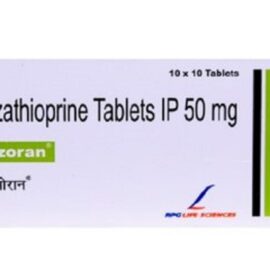
- Azoran (azathioprine 50 mg) — klassieke immunosuppressieve DMARD
- Lefuheal (leflunomide) — orale DMARD voor reumatoïde artritis
- Conimune ME (cyclosporine) - calcineurineremmer
- Wysolone (prednisolon 5 / 10 / 20 mg) — oraal corticosteroïd
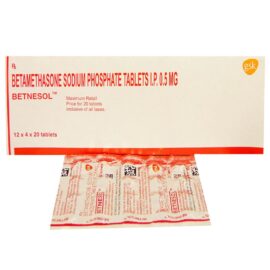
- Medrol (methylprednisolon 4 / 8 / 16 mg) — oraal corticosteroïd
- Predniheal (prednisolon) — oraal corticosteroïd
- Hisone (hydrocortison) — fysiologisch vervangend steroïd
- Kenacort (triamcinolon) — systemisch corticosteroïd
Ontdek het volledige Ontstekingsremmende & Auto-immuunzorg category.
Veelgestelde vragen
Hoe verschilt Budez CR van prednisolon of methylprednisolon?
Drie cruciale verschillen. (1) Locatie: de gereguleerde afgifte-coating brengt het medicijn naar het terminale ileum en rechter colon, zodat het ontstekingen precies daar behandelt waar ileocaecale Crohn en microscopische colitis voorkomen. (2) Systemische blootstelling: ~90% van de geabsorbeerde budesonide wordt bij eerste passage door de lever geïnactiveerd, waardoor systemische bijwerkingen van steroïden ongeveer half zo vaak en half zo ernstig zijn als bij een equivalente ontstekingsremmende dosis prednisolon. (3) Indicatie: budesonide CR is specifiek voor darmaandoeningen — het wordt niet gebruikt voor astma, reumatoïde artritis, lupus of algemene ontstekingsremmende doeleinden. Gebruik voor die aandoeningen Wysolone (prednisolon) of Medrol (methylprednisolon).
Waarom is grapefruitsap zo'n probleem bij Budez CR?
Grapefruitsap remt darm-CYP3A4 onomkeerbaar — het enzym dat geabsorbeerde budesonide inactiveert voordat het in de systemische circulatie komt. Met grapefruit in het dieet kunnen systemische budesonideniveaus 2–8× stijgen, wat prednisolon-achtige bijwerkingen veroorzaakt (vollemaansgezicht, gewichtstoename, stemmingswisselingen, verhoogde bloedglucose, HPA-onderdrukking). Vermijd grapefruit en grapefruitsap volledig tijdens de behandeling. Hetzelfde probleem geldt voor sterke CYP3A4-remmers (ketoconazol, clarithromycine, ritonavir).
Wanneer voel ik dat Budez CR werkt?
Symptomatische verbetering bij de ziekte van Crohn begint meestal na 2–4 weken bij de inductiedosis van 9 mg/dag, waarbij de meeste patiënten na 8 weken in klinische remissie zijn. Microscopische colitis reageert meestal sneller — diarree verbetert vaak binnen 1–2 weken. Als er na 4 weken bij microscopische colitis of 8 weken bij Crohn geen significante verbetering is, moet de diagnose of het behandelplan worden geëvalueerd door de voorschrijver.
Kan ik Budez CR langdurig gebruiken?
Voor microscopische colitis, ja — veel patiënten hebben langdurig onderhoud nodig van 3–6 mg/dag om in remissie te blijven, soms jarenlang. Voor de ziekte van Crohn, wordt langdurig gebruik na 12 maanden ontraden — onderhoudstherapie met azathioprine, methotrexaat of een biologisch middel heeft de voorkeur zodra remissie is bereikt. Voor auto-immuunhepatitis, is langdurig gebruik standaard bij niet-cirrotische patiënten. Langdurig budesonidegebruik brengt nog steeds een bescheiden risico op HPA-onderdrukking, botverlies, cataract en glaucoom met zich mee — monitor dit dienovereenkomstig.
Is Budez CR veilig tijdens zwangerschap en borstvoeding?
Ja — budesonide is een van de voorkeurs-corticosteroïden tijdens zwangerschap voor actieve IBD omdat de lage systemische biologische beschikbaarheid foetale blootstelling minimaliseert. Voortzetting of start tijdens de zwangerschap is geschikt voor actieve ziekte die steroïdtherapie vereist. Compatibel met borstvoeding; overdracht naar moedermelk is minimaal. Bespreek dit met de gastro-enteroloog en verloskundige tijdens de zwangerschapsplanning.
Moet ik nog steeds een steroïdenkaart bij me dragen bij Budez CR?
Ja, indien langer dan 8 weken behandeld met 9 mg/dag. HPA-as suppressie kan nog steeds optreden, vooral als het medicijn wordt gecombineerd met een CYP3A4-remmer of als grapefruit wordt geconsumeerd. Een steroïdenkaart waarschuwt spoedeisende hulpverleners en anesthesisten voor uw steroïdenblootstelling en de mogelijke behoefte aan stressdosis hydrocortison tijdens ernstige ziekte, trauma of operatie.
Kan ik Budez CR gebruiken voor colitis ulcerosa?
Budesonide CR is NIET geschikt voor typische distale colitis ulcerosa omdat de CR-capsule het medicijn afgeeft in het terminale ileum en het opstijgende colon — wat stroomopwaarts ligt van de meeste UC-ziekteactiviteit. Voor UC wordt ofwel budesonide MMX (een andere formulering speciaal ontworpen voor volledige colonaflaat) of conventionele prednisolon geprefereerd. Microscopische colitis — wat een andere ziekte is ondanks de “colitis”-naam — is reageert goed op Budez CR.
Waarom niet gewoon prednisolon gebruiken als het goedkoper is en werkt?
Prednisolon produceert vergelijkbare remissiepercentages bij mild tot matig Crohn's maar met ongeveer tweemaal de systemische steroïden bijwerkingenlast: meer Cushingoïde kenmerken, meer stemmingsstoornissen, meer HPA-suppressie, meer botverlies, meer slapeloosheid, groter diabetes- en hypertensierisico. Richtlijnen (ECCO, ACG) noemen budesonide CR als de voorkeurssteroïd voor ileocaecale Crohn's precies omdat het hetzelfde darmweefseleffect bereikt met minder systemische gevolgen. Voor uitgebreide Crohn's of ernstige ziekte blijft prednisolon eerste keuze omdat het systemische effect dan nodig is.
Wat als Budez CR geen remissie induceert bij mijn Crohn's?
Steroid non-respons of steroïdenafhankelijkheid is een indicatie om de therapie te escaleren. Opties zijn (a) overschakelen op prednisolon voor meer systemisch effect, (b) starten met een steroïdenbesparend onderhouds-DMARD (azathioprine via Azoran, methotrexaat), of (c) starten met een biologisch middel (anti-TNF, anti-integrine, IL-23-remmer) afhankelijk van het ziektepatroon en de ernst. Specialistische gastro-enterologische input is essentieel zodra budesonide faalt.
Andere Maag-Darm Gezondheidsmedicijnen
- Asacol — Mesalamine 400 mg DR (UC remissie)
- Mesacol — Mesalamine 400 mg DR
- Saaz — Sulfasalazine 500 mg (UC + Crohn’s)
- Pentasa Zetpillen — Mesalazine 1 g (distale UC)
- Rifagut — Rifaximin 400/550 mg (darmspecifiek)
- Bekijk alle Maag-Darm Gezondheidsmedicijnen
Meer opties in ontstekingsremmende en auto-immuunzorg
Gerangschikt op recente bestelvolumes van MedsBase — wat andere klanten in deze categorie kiezen.


| Hoeveelheid | 30 Capsule/s, 60 Capsule/s, 90 Capsule/s, 180 Capsule/s |
|---|
 Budez CR
Vragen & antwoorden
Budez CR
Gerelateerde producten
Beoordelingen
Er zijn nog geen beoordelingen