








Ciplox
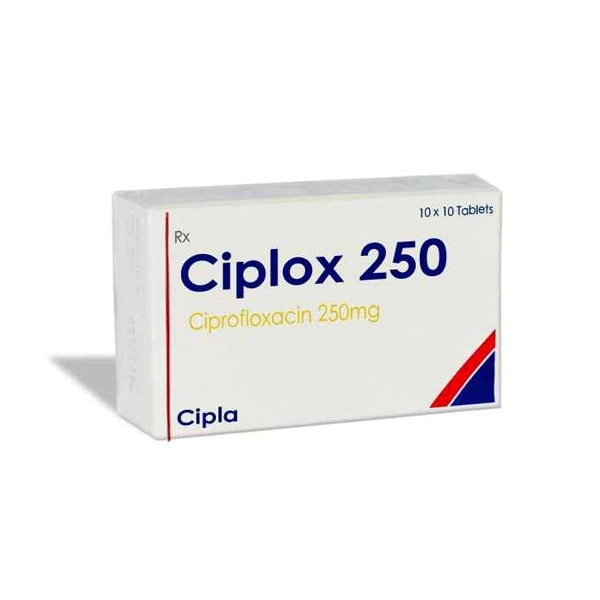
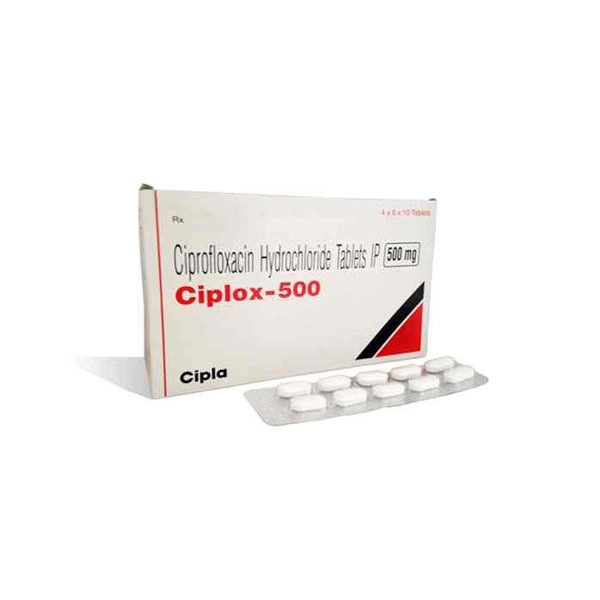
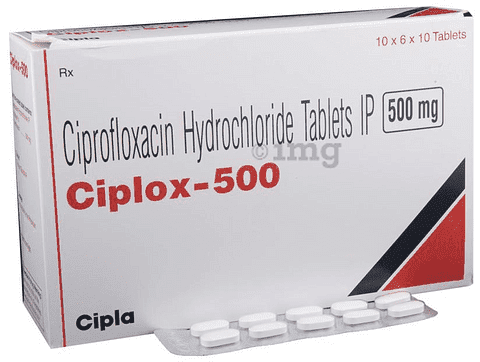
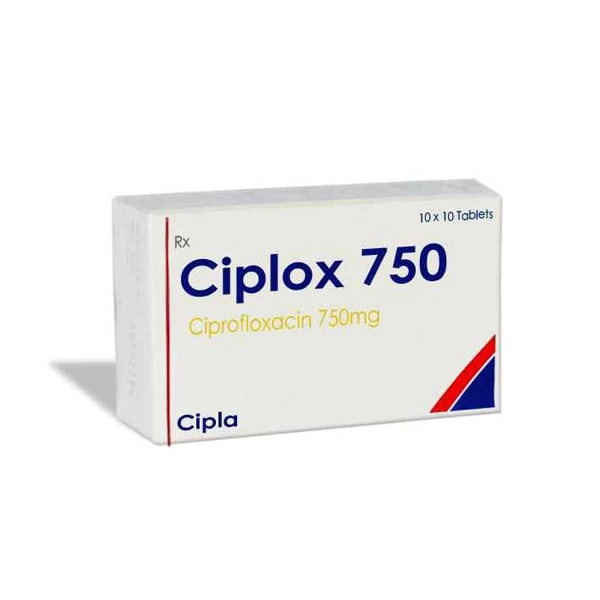


Ciplox (Ciprofloxacine 250/500/750 mg, Cipla) — een fluoroquinolon voor ernstige reizigersdiarree, Salmonella, intra-abdominale infecties, SBP-profylaxe en de ziekte van Crohn in het perianale gebied. FDA black-box waarschuwingen zijn van toepassing. Wereldwijde verzending via MedsBase.
✓ Medisch beoordeeld door Morgan Ellis — Apotheekonderzoeker · 8 jaar ervaring · Laatst beoordeeld: mei 2026
⚡ Snelle Vraag — Wat is Ciplox?
Ciplox is ciprofloxacine 250/500/750 mg tablet van Cipla — een tweede generatie fluoroquinolon met een brede werking tegen Gram-negatieve aeroben, Pseudomonas aeruginosa, atypische luchtwegpathogenen en veel darmorganismen. In een gastro-intestinale context wordt ciprofloxacine gebruikt voor ernstige invasieve reizigersdiarree, gecompliceerde Salmonella, Shigella, vermoedelijke Campylobacter, intra-abdominale infectie (met metronidazol), profylaxe van spontane bacteriële peritonitis bij cirrose en de ziekte van Crohn in het perianale gebied (met metronidazol). Standaard dosering voor volwassenen: 500–750 mg tweemaal daags gedurende 5–14 dagen, afhankelijk van de indicatie. WHO-GMP gecertificeerde fabrikant.
📦 Elke bestelling is gedekt door onze Reshipment Assurance-beleid — als uw pakket niet binnen 20 werkdagen arriveert, sturen wij het opnieuw.
Waarom bestellen bij MedsBase
Onze generieke medicijnen zijn afkomstig van WHO-GMP gecertificeerde fabrikanten en worden wereldwijd verzonden in discrete, eenvoudige verpakkingen — geen medicijnnaam op de buitenkant van het pakket. Betalingen met kaart worden verwerkt via een gereguleerde processor (betalingsoverzichten vermelden een gereguleerde kaartbetalingprocessor — nooit “MedsBase” of een medicijnnaam). Crypto en SEPA bankoverschrijvingen worden ook geaccepteerd. Elke bestelling wordt ondersteund door ons Reshipment Assurance Policy.
Waarom bestellen bij MedsBase
Ciplox wordt geleverd door een WHO-GMP gecertificeerde fabrikant. Elke bestelling wordt discreet wereldwijd verzonden en valt onder onze Reshipment Assurance-beleid — als het niet binnen 20 werkdagen arriveert, sturen wij kosteloos een nieuwe zending. Ciprofloxacine blijft essentieel voor verschillende niche-indicaties, waaronder invasieve enterische infecties, neutropene koorts, gecompliceerde UTI met Pseudomonas, en SBP-profylaxe — de FDA black-box waarschuwingen zijn een signaal voor verantwoord gebruik, geen verwijdering.
Werkingsmechanisme
Ciprofloxacine remt bacterieel DNA-gyrase (topoisomerase II) en topoisomerase IV, waardoor DNA-replicatie en transcriptie worden voorkomen. Het is bacteriedodend bij klinisch bereikbare concentraties. Resistentie ontstaat door puntmutaties in gyrA/parC en door upregulatie van effluxpompen; resistentie overschrijdt nu 30 procent in sommige Enterobacteriaceae-populaties en 50 procent in Salmonella Typhi uit Zuid-Azië.
Gastro-intestinale indicaties
- Ernstige reizigersdiarree (koorts > 38,5°C, bloederige ontlasting, sepsis-achtig): 500 mg tweemaal daags gedurende 1–3 dagen
- Salmonella-bacteriëmie/tyfus (gevoelige stammen): 500 mg tweemaal daags gedurende 7–14 dagen
- Shigellose (ernstig): 500 mg tweemaal daags gedurende 3–5 dagen
- Intra-abdominale infectie (met metronidazol): 400 mg IV q12h of 500–750 mg PO q12h gedurende 5–14 dagen
- Profylaxe van spontane bacteriële peritonitis bij cirrose: 500 mg eenmaal daags langdurig
- Perianale ziekte van Crohn (met metronidazol): 500 mg tweemaal daags gedurende 4–12 weken
- Salvagetherapie voor Helicobacter pylori: ciprofloxacine 500 mg BD + amoxicilline + PPI + bismut (na falen van standaardtherapie)
Dosering
Volwassenen: 250–750 mg tweemaal daags oraal afhankelijk van de ernst. Ernstige/complexe infectie: 500–750 mg tweemaal daags. Bot-, gewrichts-, diepe weefselinfectie: 750 mg tweemaal daags. CrCl 30–50: 250–500 mg tweemaal daags. CrCl < 30: 250–500 mg eenmaal daags. Leverfunctiestoornis: geen dosisaanpassing. Kinderen: beperkte indicaties (longexacerbaties bij cystische fibrose, miltvuur, gecompliceerde UWI) met 10–20 mg/kg/dosis BD.
Bijwerkingen
- Maag-darmkanaal: misselijkheid, diarree, buikpijn, orale candidiasis
- CZS: hoofdpijn, duizeligheid, slapeloosheid, angst, verwardheid, hallucinaties, toevallen (zeldzaam)
- Tendinopathie/peesscheur (FDA black-box): vooral achillespees, vaak binnen enkele dagen; hogere leeftijd, corticosteroïdgebruik, transplantatie en chronische nierziekte verhogen het risico
- Perifere neuropathie (FDA black-box): soms permanent
- Aorta-aneurysma / -dissectie (FDA black-box, vooral bij oudere volwassenen met risicofactoren)
- QT-verlenging, torsades de pointes (zeldzaam)
- Fotosensitiviteit
- Hypoglykemie (vooral bij diabetici die sulfonylureumderivaten gebruiken)
- C. difficile-geassocieerde diarree
- Syndroom van Stevens-Johnson, TEN (zeldzaam)
Geneesmiddelinteracties
- Antacida, ijzer, zink, calcium, zuivelproducten, sucralfaat, multivitaminen: vormen een chelaat met ciprofloxacine en verminderen de absorptie met 50–90 procent — neem deze middelen 2 uur voor of 6 uur na ciprofloxacine in.
- Tizanidine: COMBI NATIE CIPROFLOXACINE-TIZANIDINE IS ABSOLUUT CONTRA-INDICEREND — ciprofloxacine remt CYP1A2 en verhoogt tizanidine 10-voudig, wat gevaarlijke hypotensie en sedatie veroorzaakt.
- Theofylline, cafeïne: CYP1A2-remming verhoogt de spiegels — verlaag de theofyllinedosis met 30 procent.
- Warfarine: INR-stijging — monitor nauwlettend.
- Sulfonylureumderivaten, insuline: risico op hypoglykemie.
- QT-verlengende geneesmiddelen: additief risico op torsades de pointes.
- Methotrexaat, ciclosporine: spiegels kunnen stijgen.
- NSAID's: kan het CNS-/aanvalsrisico verhogen.
Veelgestelde vragen
Wanneer moet ciprofloxacine worden gebruikt bij diarree?
Reserveer voor ernstige ziekte — hoge koorts (> 38,5°C), bloederige ontlasting, systemische toxiciteit, immunocompromise of specifiek vermoedelijk pathogeen (Shigella, Salmonella, ernstige reizigersdiarree). Milde reizigersdiarree reageert op orale rehydratie alleen of rifaximine (darmspecifiek).
Hoe zit het met Salmonella-resistentie?
Resistentie tegen fluorchinolonen bij S. Typhi uit Zuid-Azië overschrijdt 50 procent. Empirische behandeling bij terugkerende reizigers uit deze regio's moet azitromycine of een cefalosporine van de derde generatie gebruiken totdat de gevoeligheden bekend zijn.
Waarom is de waarschuwing voor peesruptuur zo prominent?
Achillespeesruptuur is gemeld binnen enkele dagen na het starten van ciprofloxacine, vooral bij oudere volwassenen, mensen die corticosteroïden gebruiken, patiënten na transplantatie en mensen met nierziekte. Stop het medicijn bij het eerste teken van peespijn of zwelling en vermijd belastende oefeningen.
Ik gebruik maagzuurremmers tegen reflux. Kan ik nog steeds ciprofloxacine nemen?
Ja, maar scheid de doses. Neem eerst ciprofloxacine; wacht 2 uur voordat u een maagzuurremmer, calcium, ijzer of zuivelproduct gebruikt. Of wacht 6 uur na de maagzuurremmer om de ciprofloxacine in te nemen.
Kan ik koffie drinken tijdens de behandeling?
Cafeïne wordt gemetaboliseerd door CYP1A2, wat ciprofloxacine remt. Cafeïnespiegels stijgen; u kunt rusteloosheid, hartkloppingen en slapeloosheid opmerken. Verminder de cafeïne-inname gedurende de behandelingsduur.
Is het veilig tijdens de zwangerschap?
Niet algemeen aanbevolen — dierproeven tonen kraakbeenschade aan; menselijke gegevens zijn beperkt. Vermijd tenzij de indicatie ernstig is en alternatieven niet geschikt zijn.
Kunnen kinderen het gebruiken?
Beperkt gebruik bij kinderen: exacerbaties van cystische fibrose, gecompliceerde urineweginfecties, miltvuur en enkele andere specifieke indicaties. Dierproeven toonden kraakbeeneffecten bij hoge doses, maar bij therapeutische doses zijn menselijke gegevens geruststellend.
Verstoort het mijn darmflora?
Ja, zoals de meeste breedspectrumantibiotica. Probioticasuppletie tijdens en na de kuur vermindert het risico op antibiotica-geassocieerde diarree en C. difficile.
Wat als ik uitslag krijg?
Stop het medicijn en zoek medisch advies. Lichtgevoelige uitslag komt vaak voor; allergische reacties zijn zeldzamer maar kunnen ernstig zijn (SJS/TEN).
Opslag
Bewaren onder 25°C op een droge plaats. Vermijd bevriezing. Bewaar tabletten in de originele blisterverpakking.
Andere Maag-Darm Gezondheidsmedicijnen
- Cendox — Doxycycline
- Synclar — Clarithromycin (H. pylori)
- Rcifax — Rifaximine (darmspecifiek)
- Rifagut — Rifaximin
- Flagyl Suspensie — Metronidazol (anaëroob / perianaal bij Crohn)
- Bekijk alle Maag-Darm Gezondheidsmedicijnen
Meer opties in Maag-Darmgezondheid
Gerangschikt op recente bestelvolumes van MedsBase — wat andere klanten in deze categorie kiezen.


| Sterkte | 250 mg, 500 mg, 750 mg |
|---|---|
| Hoeveelheid | 30 Tablet/s, 60 Tablet/s, 90 Tablet/s |
| Farmaceutische vorm | Tablet/s |
| Fabrikant | Cipla Inc |
| Behandeling | Maag-darmgezondheid |
| Generiek merk | Ciprofloxacin |
 Ciplox
Vragen & antwoorden
Ciplox
Gerelateerde producten










Beoordelingen
Er zijn nog geen beoordelingen