







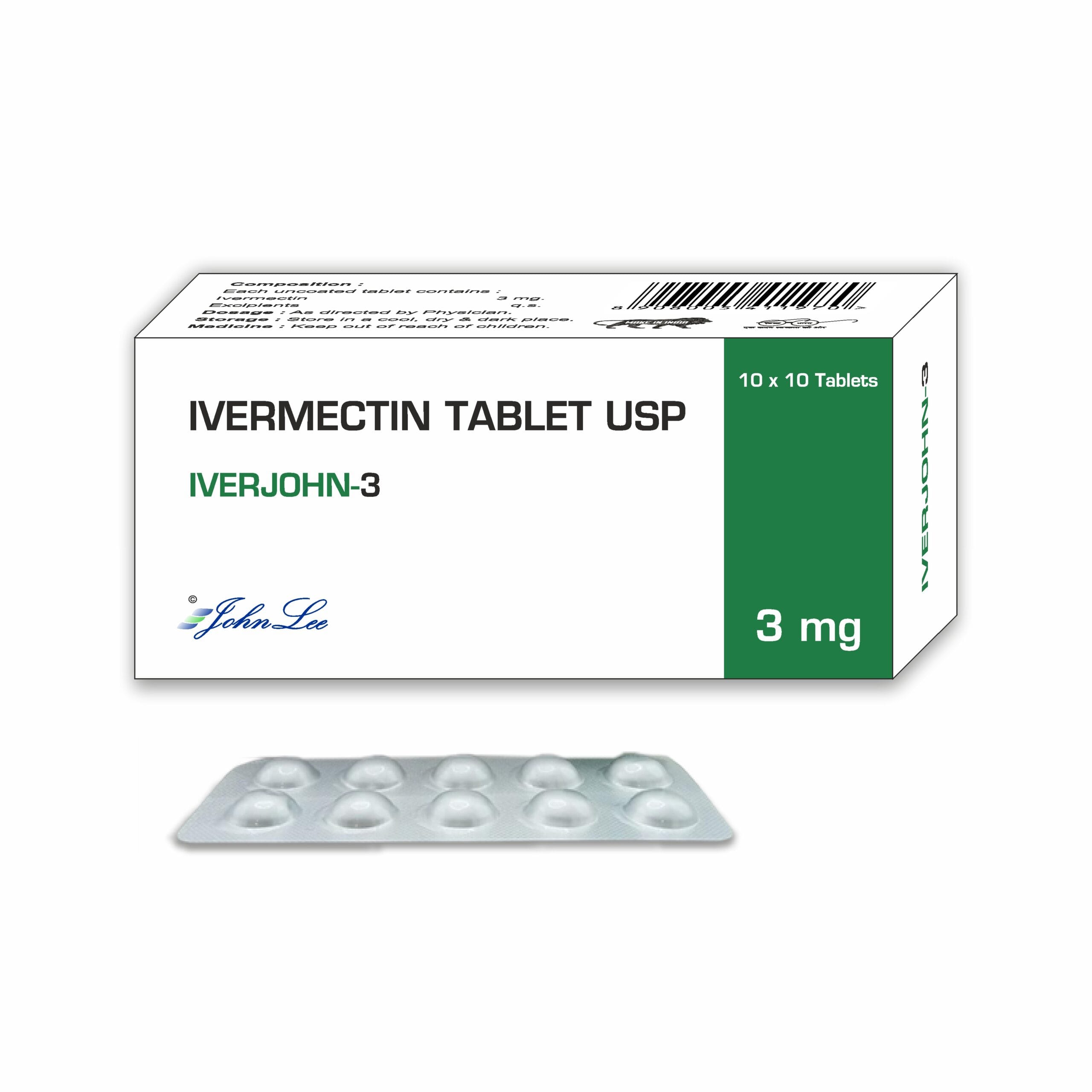
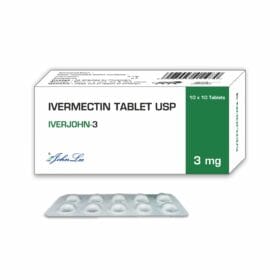
Iverjohn
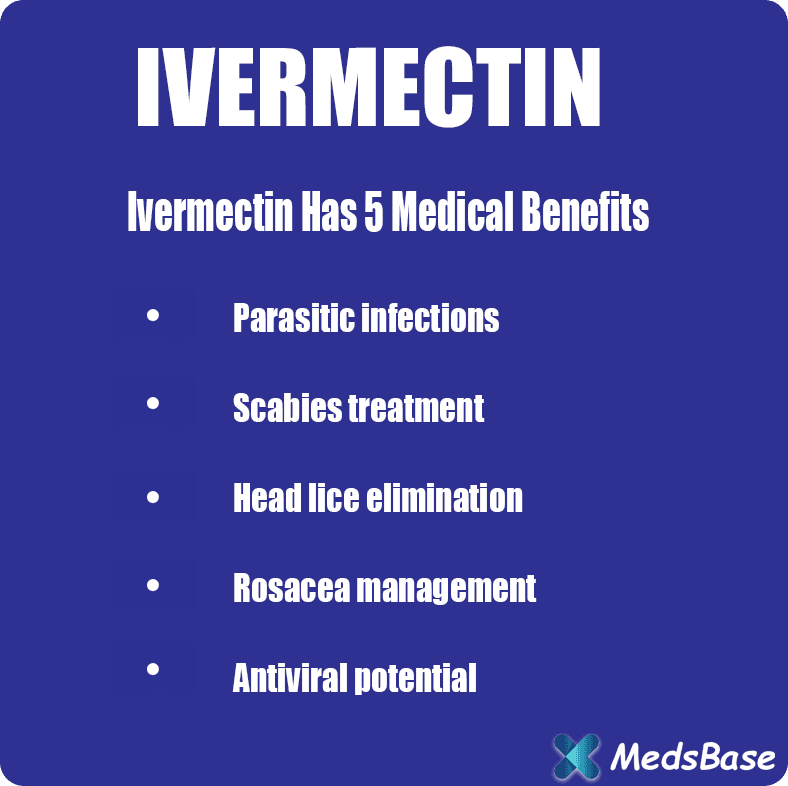
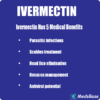
✅ Behandelt parasitaire infecties
✅ Effectief tegen schurft
✅ Bestrijdt rivierblindheid
✅ Werkt tegen bepaalde parasieten
✅ Voorkomt hartwormziekte
Iverjohn bevat Ivermectine.
✓ Medisch beoordeeld door Morgan Ellis — Apotheekonderzoeker · 8 jaar ervaring · Laatst beoordeeld: mei 2026
⚡ Snel antwoord — Wat is Iverjohn?
Iverjohn is orale ivermectine tabletten door Johnlee Pharmaceuticals in drie sterktes — 3 mg, 6 mg en 12 mg. Standaard dosering voor volwassenen is 200 µg/kg als eenmalige orale dosis op een lege maag, na 7–14 dagen te herhalen bij schurft en hoofdluis. Ivermectine is het door de WHO aangemerkte essentiële antiparasitaire middel (Nobelprijs 2015) voor schurft, strongyloidiasis, onchocerciasis, lymfatische filariasis, hoofdluis en andere parasitaire infecties. Voorbehandelingsscreening voor Loa loa co-infectie is vereist bij patiënten uit Centraal- en West-Afrika vanwege het risico op encefalopathie.
📦 Elke bestelling is gedekt door onze Reshipment Assurance-beleid — als uw pakket niet binnen 20 werkdagen arriveert, sturen wij het opnieuw.
Waarom bestellen bij MedsBase
Onze generieke medicijnen zijn afkomstig van WHO-GMP gecertificeerde fabrikanten en worden wereldwijd verzonden in discrete, eenvoudige verpakkingen — geen medicijnnaam op de buitenkant van het pakket. Betalingen met kaart worden verwerkt via een gereguleerde processor (betalingsoverzichten vermelden een gereguleerde kaartbetalingprocessor — nooit “MedsBase” of een medicijnnaam). Crypto en SEPA bankoverschrijvingen worden ook geaccepteerd. Elke bestelling wordt ondersteund door ons Reshipment Assurance Policy.
Waarom bestellen bij MedsBase
Het kiezen van Iverjohn bij MedsBase biedt u:
- WHO-GMP gecertificeerd — afkomstig uit geïnspecteerde productiefaciliteiten
- Discrete verpakking — eenvoudige envelop, zonder zichtbare medicatienaam of apotheekmerk
- Wereldwijde verzending met Reshipment Assurance — elke bestelling verzekerd
- Geverifieerde klantbeoordelingen — 1.400+ beoordelingen in het gehele assortiment
- Meerdere betaalmogelijkheden — inclusief 10% korting bij betaling met cryptocurrency
Wat is Iverjohn?
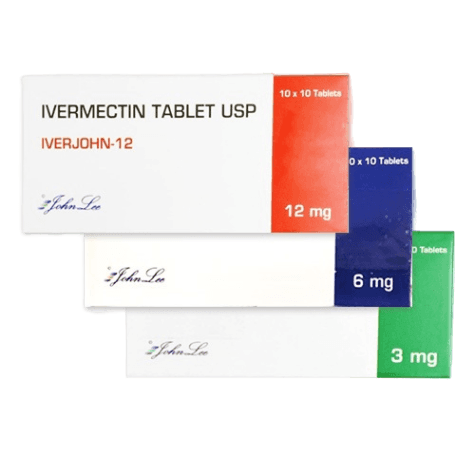
Iverjohn is orale ivermectine geproduceerd door Johnlee Pharmaceuticals Pvt Ltd, geleverd in drie sterktes — 3 mg, 6 mg en 12 mg tabletten — om precieze gewichtsgebonden dosering mogelijk te maken zonder tabletten te splitsen. Ivermectine behoort tot de avermectineklasse van antiparasitaire middelen en ontving in 2015 de Nobelprijs voor Fysiologie of Geneeskunde vanwege zijn impact op de wereldwijde antiparasitaire therapie. Het staat op de WHO Model List of Essential Medicines en wordt gebruikt in massale medicijntoedieningsprogramma's tegen onchocerciasis en lymfatische filariasis.
Hoe werkt ivermectine?
Ivermectine bindt met hoge selectiviteit aan glutamaat-gereguleerde chloridekanalen in ongewervelde zenuw- en spiercellen. Het openen van kanalen hyperpolariseert het membraan en verlamt de parasiet, wat leidt tot zijn dood. Zoogdieren hebben geen glutamaat-gereguleerde chloridekanalen in perifere zenuwen, en ivermectine beïnvloedt GABA-gereguleerde kanalen bij zoogdieren slechts zwak — en dan alleen bij concentraties ver boven de standaard therapeutische plasmaspiegels. Het is deze zeer selectieve targeting die ivermectine een uitstekende veiligheidsmarge geeft bij mensen bij aanbevolen doseringen.
Indicaties
| Indicatie | Standaardregime |
|---|---|
| Schurft (typisch) | 200 µg/kg oraal × 1, herhaal op dag 7–14. Combineer met topische permetrine bij uitgebreide of refractaire gevallen. |
| Gekorrelde (Noorse) schurft | 200 µg/kg op dagen 1, 2, 8, 9, 15 (± 22, 29) plus dagelijkse topische permetrine 5% — onder specialistisch toezicht. |
| Hoofdluis (resistent of refractair) | 200 µg/kg oraal op dag 0 en dag 7. Bruikbaar wanneer permethrin/pyrethroïden hebben gefaald. |
| Strongyloidiasis | 200 µg/kg oraal × 1; bij immuungecompromitteerden of hyperinfectie, langere/herhaalde kuren onder specialistische begeleiding. |
| Onchocerciasis (rivierblindheid) | 150 µg/kg oraal elke 6–12 maanden totdat de volwassen wormlast is uitgeput. |
| Lymfatische filariasis | 200–400 µg/kg oraal × 1, vaak gecombineerd met albendazol in MDA-programma's. |
| Cutane larva migrans | 200 µg/kg oraal × 1, herhaal na 7 dagen indien nodig. |
Dosering — gewichtsgebonden tabel
Ivermectine wordt gedoseerd op 200 µg/kg (0,2 mg/kg) voor de meeste indicaties. In te nemen op een lege maag met water, minstens 1 uur voor of 2 uur na het eten.
| Lichaamsgewicht | Totale dosis | Tabletten |
|---|---|---|
| 15–24 kg | 3 mg | 1 × 3 mg |
| 25–35 kg | 6 mg | 1 × 6 mg of 2 × 3 mg |
| 36–50 kg | 9 mg | 1 × 6 mg + 1 × 3 mg |
| 51–65 kg | 12 mg | 1 × 12 mg |
| 66–79 kg | 15 mg | 1 × 12 mg + 1 × 3 mg |
| ≥ 80 kg | 18 mg | 1 × 12 mg + 1 × 6 mg |
Bijwerkingen
Ivermectine wordt over het algemeen goed verdragen. De meest voorkomende reacties worden veroorzaakt door stervende parasieten, niet door het medicijn zelf (Mazzotti-reactie bij onchocerciasis):
- Hoofdpijn, duizeligheid
- Misselijkheid, mild buikongemak
- Vermoeidheid, slaperigheid
- Spier-/gewrichtspijn
- Milde huiduitslag of tijdelijke jeuk
- Koorts en gevoelige lymfeklieren (bij onchocerciasis — Mazzotti-reactie)
Stop en zoek dringend medische hulp bij: ernstige allergische reactie (angio-oedeem, ademhalingsmoeilijkheden), toevallen, gezichtsveranderingen, verwardheid, onvermogen om te lopen, of ongebruikelijke bloedingen/blauwe plekken.
Geneesmiddelinteracties
| Gelijktijdig toegediend medicijn | Effect |
|---|---|
| Warfarine | Mogelijk lichte INR-stijging — controleer INR rond de dosis. |
| Sterke CYP3A4-remmers (clarithromycine, ketoconazol, ritonavir) | Bescheiden stijging in plasma — meestal klinisch niet significant bij eenmalige dosis ivermectine. |
| CNS-depressiva, benzodiazepinen, alcohol | Additieve sedatie/duizeligheid mogelijk. |
| P-glycoproteïne-remmers | Theoretische ophoping in CNS — klinisch zelden een probleem bij standaarddoseringen. |
Zwangerschap, borstvoeding en speciale populaties
- Zwangerschap: veiligheid niet volledig vastgesteld; meestal vermeden in het eerste trimester. WHO MDA-programma's behandelen routinematig het tweede en derde trimester; beoordeel per geval.
- Borstvoeding: in kleine hoeveelheden uitgescheiden in moedermelk; over het algemeen compatibel als behandeling nodig is.
- Kinderen: goedgekeurd bij lichaamsgewicht ≥ 15 kg (meestal leeftijd ≥ 5 jaar).
- Leverfunctiestoornis: gebruik met voorzichtigheid; ivermectine wordt gemetaboliseerd door CYP3A4 in de lever.
- HIV / immunodeficiëntie: voor strongyloidiasis kunnen langdurige of herhaalde behandelingen nodig zijn om het risico op hyperinfectie te elimineren — specialistisch advies is vereist.
Iverjohn versus merkgebonden ivermectine (Stromectol)
Iverjohn bevat hetzelfde werkzame bestanddeel (ivermectine) in dezelfde therapeutische doseringen als het merkgebonden Stromectol. De farmaceutische bio-equivalentie is identiek — dezelfde absorptie, hetzelfde therapeutische effect. Het voordeel van Iverjohn is het drie-sterktebereik (3 / 6 / 12 mg), wat nauwkeurige gewichtsgebonden dosering mogelijk maakt zonder tabletten te splitsen — merkgebonden Stromectol is meestal alleen beschikbaar als 3 mg.
Contra-indicaties
- Overgevoeligheid voor ivermectine of een hulpstof
- Hoge belasting Loa loa microfilaraemie (risico op encefalopathie)
- Kinderen < 15 kg lichaamsgewicht (werkzaamheid en veiligheid niet vastgesteld)
- Ernstige leverfunctiestoornis zonder specialistisch toezicht
Opslag
Bewaren onder 30 °C in de originele blisterverpakking, beschermd tegen vocht. Buiten bereik van kinderen houden.
Veelgestelde vragen
Hoe snel werkt Iverjohn tegen schurft?
Mijten worden binnen enkele uren gedood nadat de dosis de maximale plasmaconcentratie bereikt (ongeveer 4 uur). De jeuk na schurft houdt 2–4 weken aan vanwege de immuunrespons op achtergebleven mijt-antigenen — dit betekent niet dat de behandeling mislukt is. Herhaal de dosis na 7–14 dagen om pas uitgekomen mijten te doden.
Moet ik Iverjohn met voedsel innemen?
Nee. Neem in op een lege maag met water — minstens 1 uur voor of 2 uur na een maaltijd. Voedsel (vooral vette maaltijden) kan de plasmaspiegels met ~2,5× verhogen, wat bij standaarddoseringen niet gewenst is.
Iverjohn 3 mg vs 6 mg vs 12 mg — welke heb ik nodig?
Gebruik de gewichtstabel hierboven. De meeste volwassenen van 51–65 kg nemen 12 mg; 36–50 kg nemen 9 mg; lichtere of pediatrische patiënten gebruiken 3 mg of 6 mg. Streef altijd naar de 200 µg/kg-doelwaarde, afgerond naar de dichtstbijzijnde tabletcombinatie.
Is orale ivermectine beter dan topicale permethrine voor schurft?
Voor typische schurft werken beide goed. Topicale permethrin (Permiforce Cream) is eerste keus vanwege het gebruiksgemak en uitstekende veiligheid. Orale ivermectine heeft de voorkeur wanneer topicale therapie niet mogelijk is, bij uitbraken in instellingen, of bij patiënten met beperkte mobiliteit — en is essentieel in combinatie bij crusted schurft.
Kunnen kinderen Iverjohn gebruiken?
Ja vanaf een lichaamsgewicht ≥ 15 kg (meestal leeftijd ≥ 5). Daaronder gebruik topicale permethrine of raadpleeg een specialist. De 3 mg tablet is handig voor gewichtsgebonden pediatrische dosering.
Wat is Loa loa-screening en heb ik het nodig?
Loa loa is een filariaworm die endemisch is in Centraal- en West-Afrika. Mensen met zeer hoge microfilaria-belasting kunnen een fatale encefalopathie ontwikkelen na een enkele ivermectine-dosis. Iedereen die geboren is in of langdurig in die regio's heeft gewoond, moet voor ivermectine een perifeer bloeduitstrijkje laten beoordelen door een ervaren parasitoloog. Buiten endemische regio's is screening niet routinematig nodig.
Waarom neem ik niet gewoon een hogere dosis om zeker te zijn?
De werkzaamheid van ivermectine bereikt een plateau bij de 200 µg/kg-dosis voor de meeste indicaties. Hogere doseringen verbeteren de genezingspercentages voor schurft of strongyloidiasis niet, maar verhogen wel het risico op bijwerkingen.
Is ivermectine veilig tijdens de zwangerschap?
Er zijn beperkte gegevens over zwangerschap. WHO MDA-programma's behandelen routinematig vrouwen in het tweede en derde trimester in onchocerciasis-endemische regio's, maar de meeste nationale richtlijnen vermijden gebruik in het eerste trimester en raden topicale permethrine aan waar mogelijk. Overleg met uw behandelaar.
Waarom was ivermectine in het nieuws voor COVID-19?
Vroege in vitro en onderbemeten observationele rapporten leidden tot wijdverbreid off-label gebruik. Meerdere grote gerandomiseerde onderzoeken (TOGETHER, ACTIV-6, COVID-OUT, PRINCIPLE) toonden vervolgens geen klinisch significant voordeel voor COVID-19-uitkomsten. Ivermectine is een krachtig antiparasitair middel, geen COVID-19-behandeling. Gebruik alleen voor bevestigde parasitaire indicaties.
Mag ik alcohol drinken tijdens het gebruik van Iverjohn?
Een enkel klein drankje zal waarschijnlijk geen problemen veroorzaken, maar alcohol kan duizeligheid, slaperigheid en hoofdpijn verergeren en verhoogt de leverbelasting tijdens de afbraak. Vermijd zwaar alcoholgebruik rond de inname.
Andere behandelingen voor luizen & schurft
Gebruikers die protocollen volgen waarbij ivermectine wordt gecombineerd met fenbendazol kunnen besparen ten opzichte van het apart aanschaffen van elk middel — zie onze Ivermectine & Fenbendazol Combinatiepakket voor de gebundelde optie met beide moleculen in één bestelling.
Zie ook: het combinatie-antiparasitaire pakket — Iverheal 12 mg gecombineerd met Wormentel 222 mg voor protocolgestuurde multi-agent antiparasitaire dosering.
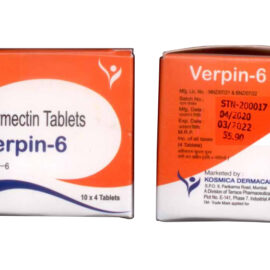
- Verpin — ivermectine 6 mg tabletten, alternatief oraal schema
- Permiforce Cream — permetrine 5% crème — eerstelijns topicale behandeling voor schurft
- Perlice Cream — permetrine 1% lotion — eerstelijns behandeling voor hoofdluizen
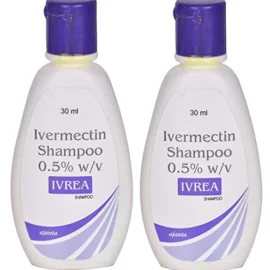
- Ivrea Shampoo — topische ivermectine 1% — voor permethrine-resistente luizen
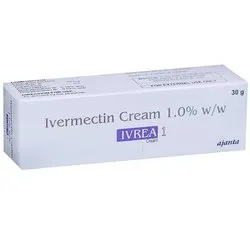
- Ivrea Cream — topische ivermectine 1% — voor rosacea / Demodex
Medische Disclaimer
Deze pagina is voor educatieve doeleinden en is geen vervanging voor medisch advies. Resistente of atypische besmettingen, aanhoudende jeuk ondanks correcte toepassing, besmette kinderen < 2 jaar, immuungecompromitteerde patiënten (risico op crusted/Noorse schurft) en gevallen van zwangerschap/borstvoeding vereisen klinische beoordeling. Ernstige wijdverspreide huidinfectie, koorts of systemische symptomen na een behandelingskuur vereisen dringend medisch onderzoek. Overleg altijd met een arts over behandeling tijdens zwangerschap of borstvoeding.
Meer opties in behandeling tegen luizen en schurft
Gerangschikt op recente bestelvolumes van MedsBase — wat andere klanten in deze categorie kiezen.
| Sterkte | 3 mg, 6 mg, 12 mg |
|---|---|
| Hoeveelheid | 30 Tablet/s, 60 Tablet/s, 90 Tablet/s, 180 Tablet/s, 400 Tablet/s, 800 Tablet/s |
2 beoordelingen voor Iverjohn
| 5 sterren | 100% | |
| 4 sterren | 0% | |
| 3 sterren | 0% | |
| 2 sterren | 0% | |
| 1 ster | 0% |
 Iverjohn
Vragen & antwoorden
Iverjohn
Gerelateerde producten







Zeer goed medicijn dat ik aanbeveel voor ontworming.
Altijd een geweldig product met meerdere toepassingen!!!
en
Fantastische klantenservice!!!