









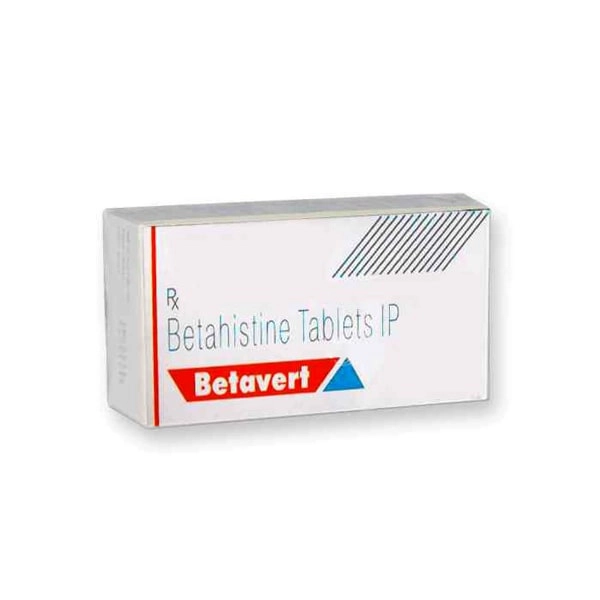
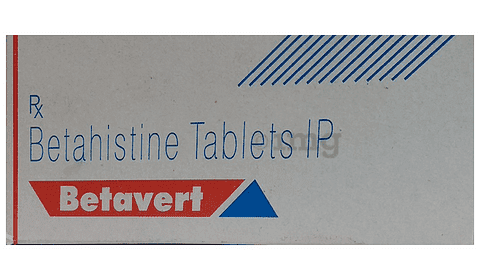
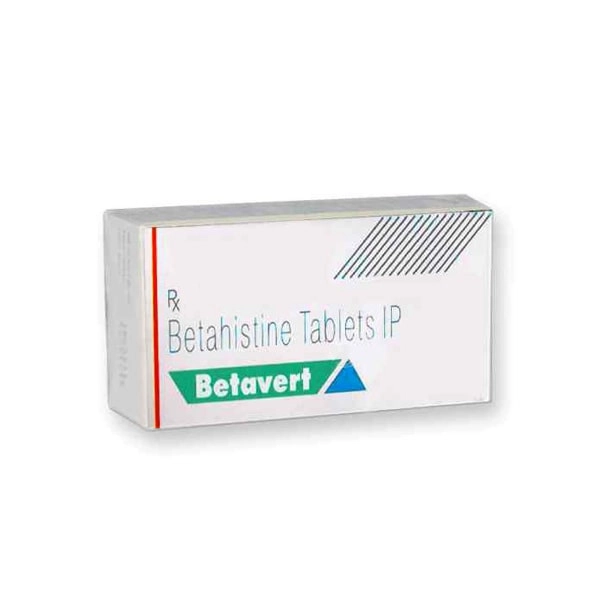
Betavert

✅ Snižuje výskyt závratí
✅ Zlepšuje rovnováhu a stabilitu
Betavert obsahuje Betahistin
✓ Lékařsky ověřeno Morgan Ellis — Pharmacy Researcher · 8 years experience Last reviewed: May 2026
⚡ Rychlá odpověď — Co je Betavert?
Betavert je betahistin 8 / 16 mg tableta pro chronickou Menierovu chorobu a další periferní vestibulární vertigo. Jde o histaminový analog (slabý H1 agonista + H3 antagonista), který zlepšuje prokrvení hlemýždě a podporuje vestibulární kompenzaci. Standardní cíl je 16 mg třikrát denně s jídlem. Nástup účinku je postupný — 4–6 týdnech — jde tedy o udržovací lék, nikoli o akutní léčbu. Pro akutní epizody použijte meclizine (Diligan) nebo prochlorperazin.
Proč objednávat z MedsBase
📦 Každá objednávka je pokryta naší Zárukou opětovného odeslání — pokud vaše zásilka nedorazí do 20 pracovních dnů, přeposíláme ji.
Betavert tableta, určená speciálně pro betahistin 8 / 16 mg periferní vestibulární vertigo a klasickou triádu Menièrovy choroby : epizodické vertigo, senzorineurální ztráta sluchu a tinnitus. Betahistin se klinicky používá od 60. let 20. století a zůstává nejčastěji předepisovanou specifickou léčbou Menièrovy choroby v Evropě a Asii.: episodic vertigo, sensorineural hearing loss, and tinnitus. Betahistine has been in clinical use since the 1960s and remains the most widely prescribed specific treatment for Meniere’s in Europe and Asia.
Betavert se liší od léků používaných na kinetózu (meclizin v Diligan, dimenhydrinát, cinnarizin) a od antiemetik používaných při akutních epizodách vertiga (prochlorperazin, promethazin). Nesprávná třída léků pro nesprávný typ vertiga má malý účinek.
K čemu se Betavert používá
- : epizodické vertigo, senzorineurální ztráta sluchu a tinnitus. Betahistin se klinicky používá od 60. let 20. století a zůstává nejčastěji předepisovanou specifickou léčbou Menièrovy choroby v Evropě a Asii. — klasická indikace; snižuje frekvenci a závažnost epizod vertiga; může mírně zlepšit tinnitus a kolísání sluchu
- Periferní vestibulární vertigo — recidivující rotační závratě pocházející z vnitřního ucha nebo vestibulárního nervu
- Vestibulární neuritida (fáze zotavení) — podporuje centrální kompenzaci jako součást vestibulárního rehabilitačního programu
- BPPV (pomocná léčba) — repozice kanalitů (Epley, Semont) zůstává první volbou; betahistin je pouze podpůrný
Betahistin je ne určeno pro kinetózu, závratě způsobené ortostatickou hypotenzí, centrální (mozkového původu) vertigo nebo obecné nespecifické závratě.
Proč objednávat z MedsBase
Betavert je dodáván od výrobce certifikovaného WHO-GMP, v blistrech a diskrétně zasílán po celém světě. Každá objednávka je pokryta naší Zárukou opětovného odeslání — pokud nedorazí do 20 pracovních dnů, přeposíláme na náš účet. Více než 1 400 ověřených zákazníků — číst recenze.
Jak Betahistin Funguje
Přesný mechanismus betahistinu ve vnitřním uchu je stále předmětem diskuzí, ale bylo popsáno několik účinků:
- Vazodilatace mikrocirkulace stria vascularis ve vnitřním uchu — předpokládá se, že snižuje endolymfatický tlak u Menierovy choroby
- H3 antagonismus receptorů ve vestibulárních jádrech — zvyšuje obrat histaminu a podporuje vestibulární kompenzaci
- Slabý H1 agonismus na postsynaptických místech
- Zlepšuje symetrii výstupu vestibulárního nervu během zotavení z jednostranného vestibulárního poškození
Nástup klinického účinku je postupný — většina pacientů potřebuje 4–6 týdnech při adekvátní dávce, než se sníží frekvence epizod vertiga. Proto je Betavert preventivní lék, nikoli záchranný.
Dávkování
| Scénář | Dávka | Poznámky |
|---|---|---|
| Menièrova choroba (standardní) | 16 mg třikrát denně (48 mg/den) | Cílová dávka podložená studií BEMED pro středně těžké až těžké onemocnění |
| Počáteční dávkování | 8 mg třikrát denně | Po 2–4 týdnech dávku zvyšte, pokud je odpověď částečná |
| Udržovací léčba po dosažení kontroly | 8–16 mg třikrát denně | Pokračujte měsíce; snižujte dávku pod lékařským dohledem po dosažení trvalé kontroly |
| Maximální denní dávka | 48 mg/den | Děleno do 2–3 dávek; vyšší denní dávky nemají přidaný benefit |
| Starší pacienti | Standardní dávka | Bez rutinního snížení dávky; betahistin není sedativní |
| Jaterní/renální selhání | Žádná specifická úprava dávkování | Používejte opatrně při těžkém postižení |
| Těhotenství a kojení | Vyhněte se použití, pokud to není nezbytné | Omezená data u lidí |
Jak správně užívat Betavert
- Polykejte celé tablety s vodou, s jídlem nebo po jídle pro snížení žaludečních potíží
- Rozložte dávky rovnoměrně během dne – ráno, odpoledne, večer (nebo dvakrát denně u síly 24 mg)
- Počkejte 4–6 týdnech na dostatečnou dávku před posouzením účinnosti
- Kombinujte s režimovými opatřeními u Menièrovy choroby: dieta s nízkým obsahem soli (< 2 g sodíku/den), pravidelný příjem tekutin, střídmá konzumace kofeinu a alkoholu, zvládání stresu
- Nepřerušujte náhle po měsících užívání — postupně snižujte dávky pod lékařským dohledem
- Vedení deníku závratí — primárním ukazatelem účinnosti je snížení počtu záchvatů za měsíc, nikoliv subjektivní pocit v konkrétní den
Vedlejší účinky
| Závažnost | Účinek |
|---|---|
| Běžné | Mírná nevolnost, dyspepsie, bolest hlavy |
| Méně časté | Kožní vyrážka, pruritus, kopřivka, zarudnutí |
| Vzácné | Bronchospazmus u astmatiků, angioedém, těžká přecitlivělost |
Vyhledejte lékařskou pomoc při obtížích s dýcháním, rozsáhlé vyrážce nebo otoku obličeje.
Kontraindikace a upozornění
- Feochromocytom — absolutní kontraindikace; histaminové analogy mohou vyvolat katecholaminovou bouři
- Bronchiální astma — používejte opatrně, monitorujte bronchospazmus u těžkých forem onemocnění
- Aktivní peptický vřed — betahistin může zhoršit žaludeční podráždění; užívejte s jídlem
- Těhotenství a kojení — vyvarujte se použití, pokud to není nezbytně nutné
- BPPV — repozice kanalolitů je definitivní léčba; Betavert má pouze podpůrnou roli
- Děti — omezené údaje o bezpečnosti; rutinně se nepoužívá
Interakce s léčivy
| Léčivo / Třída | Interakce |
|---|---|
| H1 antihistaminika (cetirizin, loratadin, difenhydramin, meklizin) | Farmakologicky antagonizuje betahistin — nekombinujte rutinně; zvolte jednu strategii |
| Inhibitory MAO (fenelzin, tranylcypromin, moklobemid, selegilin) | Inhibuje metabolismus betahistinu — zvyšuje jeho hladiny; vyvarujte se kombinace nebo monitorujte |
| β2-agonisté (salbutamol, formoterol) | Žádná klinicky významná interakce |
| Diuretika (thiazidy) | Často předepisováno v kombinaci pro Menièrovu chorobu — bez nežádoucí interakce |
| Alkohol | Zhrošuje vestibulární příznaky při aktivním onemocnění — omezit |
Skladování
- Pod 25 °C na suchém místě, mimo přímé sluneční světlo
- Uchovávejte v původním blistru, mimo dosah dětí
- Nepoužívejte po uplynutí doby použitelnosti
Často kladené dotazy
K čemu se Betavert používá?
Betavert (betahistin) se primárně používá pro : epizodické vertigo, senzorineurální ztráta sluchu a tinnitus. Betahistin se klinicky používá od 60. let 20. století a zůstává nejčastěji předepisovanou specifickou léčbou Menièrovy choroby v Evropě a Asii. a další formy a klasickou triádu. Snižuje frekvenci a závažnost epizod závratí a může mírně zlepšit doprovodné příznaky tinnitu a kolísání sluchu.
Jak rychle Betavert účinkuje?
Účinek se rozvíjí postupně — vyčkejte 4–6 týdnech v odpovídající dávce před posouzením účinku. Betahistin snižuje frekvenci budoucích epizod závratí; nezastaví již probíhající epizodu.
Mohu použít Betavert na kinetózu?
Ne — betahistin není účinný na kinetózu. Použijte raději meclizin (Diligan), cinnarizin nebo dimenhydrinát.
Mohu použít Betavert na BPPV?
BPPV (benigní paroxysmální polohové vertigo) nejlépe reaguje na repoziční manévry kanalitů — Epleyho nebo Semontův manévr — které fyzicky přesunují krystaly ve vnitřním uchu způsobující BPPV. Betavert je nanejvýš doplňkový.
Pomáhá Betavert při tinnitu?
U pacientů s Menierovou chorobou se tinnitus často zlepšuje spolu s kontrolou závratí. Pro izolovaný tinnitus bez vertiga, důkazy o prospěšnosti betahistinu jsou slabší a upřednostňují se jiné přístupy (maskování zvuku, terapie přeučení tinnitu, kognitivně-behaviorální terapie).
Jak dlouho bych měl užívat Betavert?
Menièrova choroba je chronické onemocnění; pacienti často pokračují v užívání betahistinu po měsíce až roky v závislosti na frekvenci epizod. Váš lékař navede pokusy o snížení dávky po delších obdobích bez záchvatů.
Mohu užívat Betavert během těhotenství?
Omezené údaje u lidí. Obvykle se vyhýbá, pokud to není jasně nutné. Proberte se svým lékařem.
Co bych měl dělat během akutního záchvatu vertiga?
Betavert je preventivní; neřeší akutní záchvat. Během záchvatu seďte nebo ležte v klidné zatemněné místnosti, vyhněte se náhlým pohybům hlavy a pokud máte závažné příznaky, použijte krátkodobě meklizin (Diligan) nebo prochlorperazin (Stemetil) prvních 48–72 hodin.
Způsobuje Betavert ospalost?
Méně než antihistaminika jako je cinnarizin. Betahistin není výrazně sedativní, i když někteří uživatelé zpočátku pociťují mírnou ospalost nebo bolesti hlavy, které se během prvních 1–2 týdnů upraví.
Jaká opatření v životním stylu pomáhají při Menierově chorobě?
Nízkosolná strava (< 2 g sodíku/den), pravidelný příjem tekutin, omezení kofeinu a alkoholu, vyhýbání se glutamátu sodnému, zvládání stresu a vestibulární rehabilitační cvičení. Tato opatření zvyšují účinek betahistinu a u některých pacientů umožňují kontrolu příznaků s minimem léků.
Další léčba závratí a kinetózy
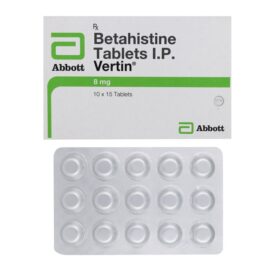
- Vertin (betahistin 8 mg, Abbott)
- Betavert Tab (betahistin 24 mg)
- Diligan (meclizin 25 mg) — pro kinetózu a akutní závratě prvních 48–72 h
- Stemetil (prochlorperazin 5 mg) — akutní závratě/nevolnost (urgentní řešení)
- Avomine (promethazin 25 mg) — sedativní antihistaminikum pro kinetózu
Lékařské upozornění
Tato stránka slouží pouze pro informační účely a nenahrazuje rady kvalifikovaného lékaře. Náhlé silné závratě s neurologickými příznaky (náhlá ztráta sluchu, dvojité vidění, nesrozumitelná řeč, slabost, necitlivost, silná bolest hlavy nebo nestabilní chůze) vyžadují neodkladné lékařské vyšetření — mohou signalizovat cévní mozkovou příhodu nebo centrální patologii spíše než problém vnitřního ucha. Před samoléčbou nových příznaků závratí se poraďte s lékařem.
Více možností v léčbě závratí a kinetózy
Řazeno podle nedávného objemu objednávek na MedsBase — co si ostatní zákazníci v této kategorii vybírají.
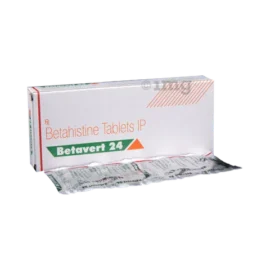

| Síla | 8 mg, 16 mg |
|---|---|
| Množství | 30 tablet, 60 tablet, 90 tablet |
| Léková forma | Tablet/s |
| Výrobce | Sun Pharma |
| Léčba | Závratě, Menierova choroba |
| Generická značka | Betahistin |
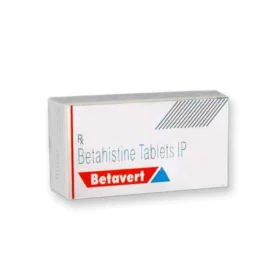 Betavert
Otázky a odpovědi
Betavert
Související produkty






Hodnocení
Zatím zde nejsou žádná hodnocení