







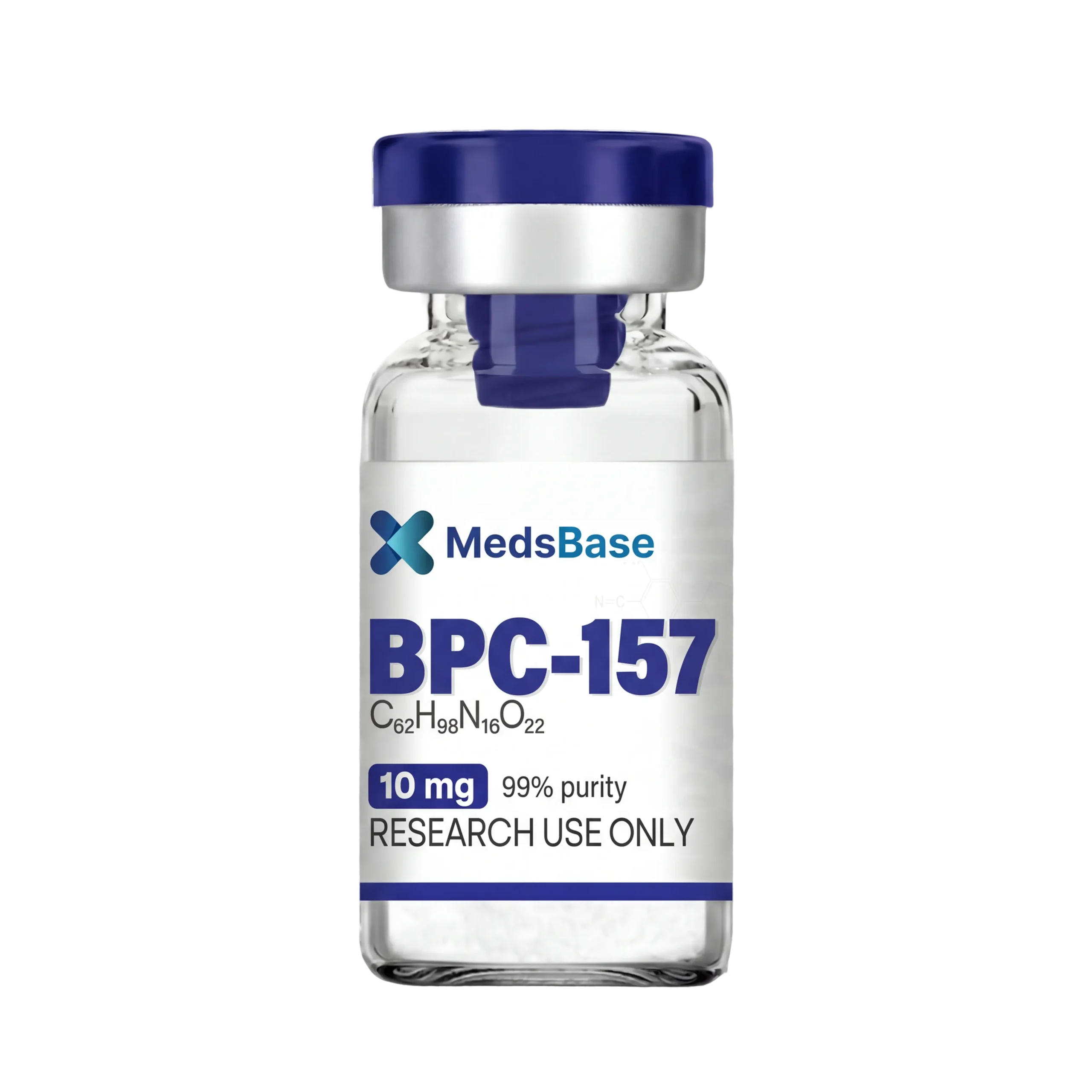
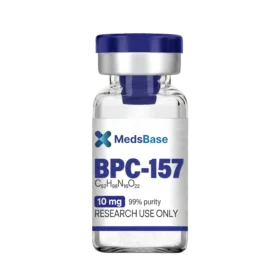
BPC-157
✅ Tukee solujen uusiutumista
✅ Parantaa kudosten muodostumista
✅ Edistää fibroblastien toimintaa
✅ Stimuloi angiogeneesiä
✅ Parantaa soluväliaineen vakautta
BPC-157 sisältää synteettistä peptidiyhdistettä.
✓ Lääketieteellinen tarkistus Morgan Ellis — Farmasian tutkija · 8 vuoden kokemus · Viimeisin arvio: toukokuu 2026
Nopea vastaus — Mikä on BPC-157?
BPC-157 (Body Protection Compound 157) on 15-aminohapposynteettinen pentadekapeptidi, joka on peräisin suojavalkuaisproteiinista. Julkaistussa esikliinisessä tutkimuksessa sillä on ollut johdonmukaisia vaikutuksia jänteiden, nivelsiteiden, suolen, lihasten ja verisuonikudoksen palautumiseen VEGF:n, typpioksidin ja kasvuhormonireseptorisignaalin kautta. Toimitetaan 2 mg - 10 mg lyofilisoituina pulloina vain laboratoriotutkimuskäyttöön.
📦 Jokainen tilaus on katettuna meidän Reshipment Assurance Policy -politiikkamme piiriin — jos lähetyksesi ei saavu 20 arkipäivässä, lähetämme uuden.
| Tekniset tiedot | Yksityiskohta |
|---|---|
| CAS-numero | 137525-51-0 |
| Molekyylikaava | C62H98N16O22 |
| Molekyylipaino | 1419.55 Da |
| Sekvenssi | Gly-Glu-Pro-Pro-Pro-Gly-Lys-Pro-Ala-Asp-Asp-Ala-Gly-Leu-Val (GEPPPGKPADDAGLV) |
| Muoto | Lyofiloitu jauhe (tai toimitettu muodossa) |
| Puhdaus | ≥99 % (HPLC-varmistettu, COA saatavilla pyynnöstä) |
| Säilytys | Lyofiloitu: 2–8 °C (jääkaappi) käyttövarastoa varten; −20 °C pitkäaikaissäilytykseen avaamattomille pulloille. Uudelleenliuotettuna: 2–8 °C, käytä noin 30 päivän kuluessa. Suojaa valolta. Älä jäädytä–sulata uudelleenliuotettua liuosta. |
| Liukoisuus | Bakteriostaattinen vesi (suositus) tai steriili vesi lyhyemmille käyttöajalle |
| Tutkimuskäyttö | Vain laboratoriotutkimuskäyttöön. Ei tarkoitettu ihmis- tai eläinlääketieteelliseen diagnostiseen tai terapeuttiseen käyttöön. |
Mikä on BPC-157?
BPC-157 on lyhenne sanasta Body Protection Compound 157, 15-aminohapposynteettinen pentadekapeptidi, joka alun perin eristettiin fragmenttina ihmisen mahalaukunesteessä olevasta suuremmasta suojapropteinista. Toisin kuin useimmat peptidit, se on stabiili mahahapossa, mikä on tehnyt siitä usein tutkimuskohteen suun kautta annosteltavana rotamalleissa yleisemmän ihonalaisen annostelun ohella. BPC-157 on yksi laajimmin tutkituista parantamiseen liittyvistä peptideistä esikliinisessä kirjallisuudessa, ja julkaistut tutkimukset kattavat jänteet, nivelsiteet, suolen esteen, luurangon lihakset, luun ja verisuonikudoksen.
Peptidisekvenssi on GEPPPGKPADDAGLV, molekyylipaino noin 1,419 Da, empiirinen kaava C62H98N16O22. Se toimitetaan korkeapuhdistettuna liofilisoituna jauheena, joka uudelleenliuotetaan bakteriostaattisella vedellä. BPC-157 on vain laboratoriotutkimuskäyttöön eikä ole tarkoitettu ihmisten tai eläinten diagnosointiin tai hoitoon. Syvällisempää tietoa toimintamekanismista, julkaistuista kliinisistä tutkimustuloksista ja tutkimusannossuosituksista löydät kokonaisesta BPC-157 -tutkimusoppaastamme.
Mikä erottaa BPC-157:n yksittäisten mekanismien peptideistä on sen
samanaikainen toiminta kolmella erillisellä signalointireitillä , joista jokainen osallistuu julkaistujen tutkimusten mukaan havaittuun kudospalautumiseen:, joista jokainen osaltaan vaikuttaa julkaistujen tutkimusten kudospalautumisfenotyyppiin:
- Angiogeneesi / VEGF:n yliregulaatio — BPC-157 lisää verenkiertoendoteelisen kasvutekijän reseptori 2:n (VEGFR2) ilmentymistä vaurioituneessa kudoksessa, edistäen uusien hiussuonten muodostumista. Tämä parantaa paikallista verenkiertoa korjauskohteissa, mikä on rajoittava tekijä jänteiden, nivelsidosten ja lihasten paranemisessa.
- Typpioksidi (NO) -reitti — BPC-157 tehostaa endoteelisen typpioksidisyntaasin (eNOS) toimintaa ja suojaa verisuonien endoteelia oksidatiiviselta vauriolta. Rodenttimalleissa, joissa on portaalihypertonia, systemaattinen vasokonstriktio ja mahahaavat, tämä vaikutus on keskeinen yhdisteen suojavaikutukselle.
- Kasvuhormonireseptorin yliregulaatio — BPC-157 lisää kasvuhormonireseptorin (GHR) ilmentymistä fibroblasteissa ja tenosyyteissä, edistäen tyypin I kollageenin synteesiä. Tämän mekanismin uskotaan olevan taustalla havaituille jänteen lujuuden lisäyksille Akillesjänne- ja medialisen sivusiteen poikkileikkausmalleissa.
Koska nämä kolme reittiä kohdistuvat vaurioituneeseen kudokseen, BPC-157 tuottaa nopeamman ja täydellisemmän toipumisen kuin yksittäisiin reitteihin kohdistuvat toimenpiteet samoissa malleissa. Sitä on myös huomattavan hyvin siedetty julkaistujen annosvälien aikana, ja myrkyllisyystutkimuksissa on raportoitu minimaalisista ei-kohdennetuista signaaleista.
Julkaistut tutkimussovellukset
BPC-157:ää käytetään laboratoriotutkimuksissa, joissa tutkitaan:
- Jänteen ja nivelsiteen vammojen toipumista — Akillesjänneleikkaus-, medialisen sivusiteen repeämä- ja hartialihasrepeämärodenttimallit (Chang et al., J Appl Physiol 2011; Staresinic et al., J Orthop Res 2003)
- Suoliston esteen eheys ja mahahaava tutkimus — mahahaava, koliitti ja tulehduksellisen suolistosairauden mallit; BPC-157:n mahasta peräisin oleva alkuperä on mekanistisesti merkityksellinen tässä (Sikiric et al., Curr Med Chem 2011)
- Luurankolihasten uusiutuminen — vammojen jälkeinen toipumisnopeus, myoblastien lisääntyminen ja myotubien muodostuminen tutkimuksessa
- Nivel- ja rustotutkimus — osteoartriitti rottamallit, rustomatriisin koostumus, synoviaalin tulehdus
- Vaskulaarinen angiogeneesi — uusien kapillaarien muodostuminen ja verenkierto vaurioituneissa kudoksissa
- Luun paraneminen — murtuman kalliokudoksen muodostuminen osteotomia- ja luuvajemalleissa
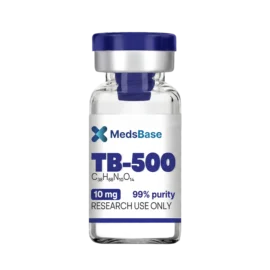
- Vertailukelpoinen paranemistutkimus — vertailu muihin paranemispeptideihin, erityisesti TB-500 (Thymosin Beta-4) kanonisen systemaattisen paranemisvertailun kohteena. Katso BPC-157 vs TB-500 -vertailu kattava rinnakkainen vertailu.
Laajemman kontekstin saamiseksi siitä, mihin BPC-157 sopii paranemispeptidien maisemassa, katso parhaat peptidit lihasten palautumiseen klusteriartikkeli ja GHK-Cu kuparipeptidi komplementaarisena anti-aging-tutkimusyhdisteenä. Selaa koko tutkimuspeptidien luettelo liittyvistä yhdisteistä.
Saatavat vahvuudet ja pitoisuudet
MedsBase tarjoaa BPC-157:ää seuraavissa liofilisoitujen pullokokojen koonnuksissa. Jokainen vaihtoehto toimitetaan 10-pulloisessa, 20-pulloisessa ja 30-pulloisessa pakkauksessa täydellisine rekonstituointiohjeineen:
| Pullon vahvuus | Tyypillinen käyttötarkoitus | Pakkauskoot |
|---|---|---|
| 2 mg | Lyhyet tutkimusprotokollat, pilottiannokset, titraus | 10, 20 tai 30 pulloa |
| 5 mg | Vakiokoevahvuus, yleisimmin tilattu | 10, 20 tai 30 pulloa |
| 10 mg | Laajat tutkimusprotokollat, alhaisin mg-hinta | 10, 20 tai 30 pulloa |
Kaikki kolme vahvuutta ovat samaa kemiallista muotoa (liofilisoitu jauhe, 99%+ HPLC-puhtaus). Korkeamman mg:n pullot vaativat pienempiä rekonstituointitilavuuksia annosyksikköä kohden, mikä on hyödyllistä, kun tutkijat haluavat minimoida injektiovolyymin jyrsijäprotokollissa.
Vertailu — BPC-157 vs TB-500
BPC-157 ja TB-500 ovat kaksi eniten viitattu parantumistutkimuspeptidiä. Niitä tutkitaan usein rinnakkain, koska ne toimivat täydentävien, suurelta osin päällekkäisyyttä omaavien mekanismien kautta. Monet prekliiniset protokollat yhdistävät niitä sen sijaan, että käytettäisiin vain toista.
| Kriteeri | BPC-157 | TB-500 (Thymosin Beta-4) |
|---|---|---|
| Pituus | 15 aminohappoa (pentadekapeptidi) | 43 aminohappoa (tyymipeptidi) |
| Ensisijainen mekanismi | VEGF + NO + GH-reseptorien yliregulaatio | G-aktiininsidonta, solujen migraatio |
| Jakautuminen | Paikallisempi ruiskutuspaikalla | Systeeminen, leviää laajalle |
| Tyypillinen tutkimusannos | 250–500 mcg, 1–2 kertaa päivässä | 2–2,5 mg, 2 kertaa viikossa |
| Vahvin tutkimustulos | Jänne, sidekudos, suoliston suojakerros | Sydän, systeeminen lihaskudos, verisuonet |
| Yhdistäminen | Yleisesti yhdistetään TB-500:aan tutkimuksissa | Yleisesti yhdessä annosteltava BPC-157:n kanssa tutkimuksissa |
Kattavaan metodologiseen vertailuun, mukaan lukien annosteluprotokollat ja tilanteet, joissa tutkijat valitsevat toisen toisen sijaan, lue BPC-157 vs TB-500: kumpi parantava peptidi palautumistavoitteeseesi.
Säilytys ja liuotus
Ennen liuotusta: säilytä liofilisoidut pullot jääkaapissa 2–8 °C:ssa alkuperäisessä pakkauksessa. Liofilisoitu BPC-157 on näissä olosuhteissa stabiili jopa 36 kuukauden ajan. Vältä jäädyttämis-sulamissyklejä jauheen kanssa.
Uudelleenliuotusmenettely: ruiske bakteerikasta vettä peptidipullon sivuseinää pitkin (ei suoraan liofilisoidun kakkun päälle) yllä olevan laimentamistaulukon mukaisesti. Kiertele varovasti – älä ei ravistele — ja anna 2–5 minuuttia täydelliseen liukenemiseen. Oikein uudelleenliuotettu liuos tulisi olla kirkas ja väritön.
Uudelleenliuotuksen jälkeen: säilytä jääkaapissa 2–8 °C:ssa ja käytä 30 päivän kuluessa optimaalisen stabiilisuuden saavuttamiseksi. Älä jäädytä uudelleenliuotettua liuosta – jäädyttämis-sulamissyklit heikentävät peptidin eheyttä. Hävitä mikä tahansa pullo, joka näyttää samealta, sakkaa sisältävältä tai väriltään muuttuneelta.
Usein Kysytyt Kysymykset
Mihin BPC-157:ää käytetään tutkimuksessa?
BPC-157:ää käytetään laboratoriotutkimuksissa, joissa tutkitaan jänteiden ja nivelsidosten paranemista, suolen seinämän eheyttä, luurangon lihasten palautumista, verisuonien angiogeneesiä, tulehdussignaaleja ja luun paranemista. Se ei ole ei FDA:n hyväksymä ja sitä myydään täällä tiukasti vain laboratoriotutkimuskäyttöön.
Miten BPC-157 eroaa TB-500:sta?
BPC-157 on 15-aminohappoinen pentadekapeptidi, joka on peräisin mahalaukun nesteyksestä, ja se toimii lähinnä paikallisesti VEGF:n, typpioksidin ja kasvuhormonireseptorireittien kautta. TB-500 on 43-aminohappoinen tymuspeptidi, joka toimii systemaattisesti G-aktininsidoksen ja solujen liikkuvuuden kautta. Näitä kahta annostellaan usein yhdessä tutkimuksessa, koska niiden mekanismit täydentävät toisiaan eivätkä päällekkäisiä.
Mikä on tyypillinen BPC-157:n tutkimusannos?
Julkaistut esikliiniset protokollat käyttävät tyypillisesti 250–500 mcg per annos, annosteltuna kerran tai kahdesti päivässä 4–8 viikon jaksoissa. 5 mg pullo, joka on liuotettu uudelleen 2,0 ml bakteerikasta vettä, tuottaa 2,5 mg/ml – 10 jakoa U-100-ruiskussa vastaa 250 mcg.
Onko BPC-157 FDA:n hyväksymä?
Ei. BPC-157 ei ole FDA:n, EMA:n, MHRA:n tai minkään muun sääntelyviranomaisen hyväksymä ihmisten terapeuttiseen käyttöön. Kaikki tutkimuskäyttöön tarkoitetut toimittajat myymä BPC-157 on tarkoitettu laboratoriotutkimukseen, eikä sitä saa annostella ihmisille.
Kuinka BPC-157 tulisi säilyttää?
Liofilisoidut pullot: jääkaapissa 2–8 °C alkuperäisessä pakkauksessa, säilyvyys jopa 36 kuukautta. Rekonstituoitu liuos: jääkaapissa 2–8 °C, käytä 30 päivän kuluessa. Älä jäädytä rekonstituoitua liuosta — jäätymis- ja sulamissyklit heikentävät peptidin laatua.
Kuinka BPC-157 rekonstituoidaan?
Noudata yllä olevaa rekonstituointikaaviota. Lisää bakteriostaattista vettä pullon sivuseinämää pitkin (ei lyofiloituun kakkualustaan), kääntele varovasti ja anna 2–5 minuuttia täydelliseen liukenemiseen. Älä ei ravista pulloa.
Mitä vahvuuksia MedsBase pitää varastossaan?
MedsBase tarjoaa BPC-157 2 mg, 5 mg ja 10 mg lyofiloituina pulloina. Jokainen vahvuus on saatavana 10, 20 tai 30 pullon pakkauksina. Kaikki pullot ovat 99 %+ HPLC-puhtaudella ja analyysitodistus saatavilla pyynnöstä.
Voiko BPC-157 ja TB-500 yhdistää tutkimuksessa?
Kyllä. BPC-157 ja TB-500 yhdistetään usein prekliinisessä tutkimuksessa, koska niiden toimintamekanismit täydentävät toisiaan. BPC-157 vaikuttaa lähinnä paikallisesti kasvutekijöiden säätelyn kautta; TB-500 vaikuttaa systemaattisesti G-aktiininsidoksen ja solujen liikkuvuuden kautta. Yhdistetyt protokollat on kuvattu vertailuoppaassamme.
Aiheuttaako BPC-157 sivuvaikutuksia tutkimuksessa?
Julkaistujen prekliinisten tutkimusten mukaan BPC-157:llä on huomattavan hyvä turvallisuusprofiili tyypillisissä tutkimusannoksissa, ilman johdonmukaisia ei-toivottuja vaikutuksia ja hyvä siedettävyys. Pitkäaikaisia turvallisuustietoja ihmisistä ei ole saatavilla, koska ihmiskokeita ei ole vielä suoritettu loppuun.
Mikä on ero suun kautta annettavan ja injektoitavan BPC-157:n välillä tutkimuksessa?
BPC-157 on epätavallisen stabiili mahahapon suhteen sen mahalähdeperäisen alkuperän vuoksi, joten suun kautta annostelu on mahdollista jyrsijöillä suoritetuissa protokollissa (toisin kuin useimmat peptidit). Ihonalainen injektio on kuitenkin yleisin tutkimusreitti kirjallisuudessa, koska se tuottaa toistettavampia plasmakeskittymiä.
Mikä on BPC-157:n puoliintumisaika?
Esikliinisessä tutkimuksessa BPC-157:n arvioitu plasmassa puoliintumisaika on noin 4 tuntia ihonalaisen annostelun jälkeen. Suun kautta annostelututkimukset jyrsijämalleissa viittaavat lyhyempään systemaattiseen puhdistumiseen, mutta pitkittyneisiin paikallisiin vaikutuksiin ruoansulatuskanavassa, mikä johtuu peptidin epätavallisesta happostabiiliudesta.
Kuinka kauan BPC-157:llä kestää näyttää vaikutuksia esikliinisessä tutkimuksessa?
Useimmat esikliiniset tutkimukset, joissa käytetään BPC-157:ää jänteiden, nivelsiteiden ja suoliston vammamalleissa, raportoivat mitattavia kudostason muutoksia 7–14 vuorokauden sisällä. Aikataulu vaihtelee tutkimusmallin, vamman vakavuuden, annostelureitin ja käytetyn annoksen mukaan tutkimussuunnittelussa.
Voinko tilata BPC-157:ää kansainvälisesti toimitettavaksi?
Kyllä. MedsBase toimittaa BPC-157:ää maailmanlaajuisesti omasta peptiditoimitusverkostostamme. Pelkistä peptideistä koostuvat tilaukset oikeuttavat erilliseen peptiditoimituspalveluumme. Kaikki tilaukset toimitetaan lämpötilanhallitussa pakkauksessa täydellä seurannalla.
BPC-157-protokollat jänteiden, nivelsiteiden ja pehmytkudosten toipumiseen yhdistävät sen yleensä TB-500:n kanssa synergististen angiogeneettisten ja sytoskeletaalisvaikutusten saavuttamiseksi; nipatun hoidon näet sivuiltamme Peptide Healing Stack (BPC-157 5 mg + TB-500 5 mg + bakteriostaattinen vesi) jossa on sekä liofilisoituja pulloja että liuotusvettä yhdessä paketissa 0 dollarin peptiditoimitusmaksulla.
Muut peptidit toipumis- ja suorituskykytutkimukseen
- TB-500 — Thymosin Beta-4 fragmentti — pehmytkudosten ja verisuonten toipumistutkimus
- Ipamorelin — Selektiivinen ghreliniagonisti — puhdas GH-pulssi ilman kortisolia/prolaktiinia
- CJC-1295 DAC:lla — GHRH-analogia pidennettyä puoliintumisaikaa
- GHK-Cu — Kuparipeptidi — ihon ja sidekudosten uusiutumistutkimus
- IGF-1 LR3 — Long-R3 IGF-1-analogi — anabolinen / regeneratiivinen tutkimus
Lisälukemista
📖 Lue tutkimus tämän peptidin taustalla
Lue kattava näyttöön perustuva oppaamme: BPC-157 — toimintamekanismi, koeaineisto ja näkymät. Kattaa vaikutusmekanismin, julkaistut tutkimustiedot, tyypilliset tutkimusannosvälit, rekonstituointiohjeet, yhdistelmäkäytön harkinnat sekä turvallisuus/kelpoisuusrajoitukset.
Lisää vaihtoehtoja Peptideissä
Luokiteltu MedsBase-tilausmäärän mukaan — mitä muut asiakkaat tässä kategoriassa valitsevat.
| Vahvuus | 2 mg, 5 mg, 10 mg |
|---|---|
| Määrä | 10 pulloa, 20 pulloa, 30 pulloa |
 BPC-157
Kysymykset ja vastaukset
BPC-157
Liittyvät tuotteet
Arvostelut
Ei vielä arvosteluja