








Granicip
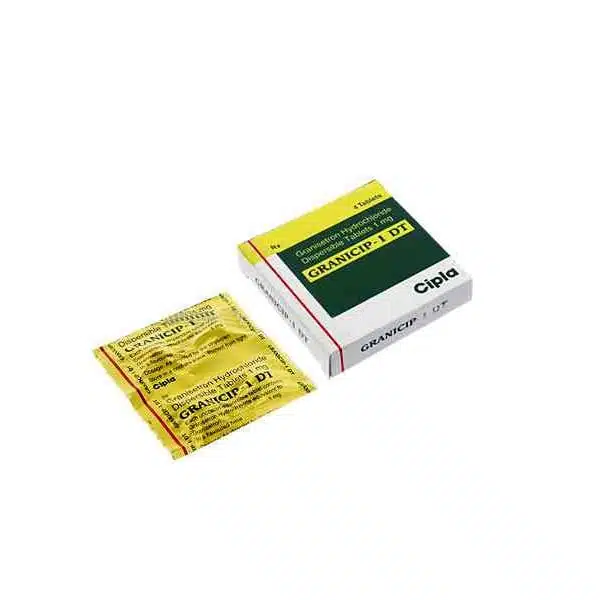
Granicip (Granisetron 1 mg / 2 mg) — eenmaal daags tweede generatie 5-HT3-antagonist voor chemo-, bestralings- en postoperatieve misselijkheid en braken. Langere halfwaardetijd (~9 uur) vergeleken met ondansetron.
✓ Medisch beoordeeld door Morgan Ellis — Apotheekonderzoeker · 8 jaar ervaring · Laatst beoordeeld: mei 2026
⚡ Snel antwoord — Wat is Granicip?
Granicip bevat granisetron 1 mg / 2 mg, een tweede generatie 5-HT3-receptorantagonist in dezelfde klasse als ondansetron maar met een langere halfwaardetijd (~9 uur versus 4 uur). Het wordt gebruikt ter voorkoming van chemotherapie-geïnduceerde, bestralingsgeïnduceerde, en postoperatieve misselijkheid en braken. De langere halfwaardetijd betekent eenmaal daagse orale of eenmalige intraveneuze toediening voor matig emetogene chemotherapie. Geproduceerd door Cipla volgens WHO-GMP-normen.
📦 Elke bestelling is gedekt door onze Reshipment Assurance-beleid — als uw pakket niet binnen 20 werkdagen arriveert, sturen wij het opnieuw.
Waarom bestellen bij MedsBase
Onze generieke medicijnen zijn afkomstig van WHO-GMP gecertificeerde fabrikanten en worden wereldwijd verzonden in discrete, eenvoudige verpakkingen — geen medicijnnaam op de buitenkant van het pakket. Betalingen met kaart worden verwerkt via een gereguleerde processor (betalingsoverzichten vermelden een gereguleerde kaartbetalingprocessor — nooit “MedsBase” of een medicijnnaam). Crypto en SEPA bankoverschrijvingen worden ook geaccepteerd. Elke bestelling wordt ondersteund door ons Reshipment Assurance Policy.
Granisetron versus ondansetron — wanneer te kiezen voor granisetron
Beide moleculen blokkeren de 5-HT3-receptor en hebben een vergelijkbare piekeffectiviteit. De klinisch relevante verschillen:
- Halveringstijd: granisetron ~9 uur, ondansetron ~4 uur. Een enkele dosis granisetron dekt een 24-uurs chemotherapiedag beter.
- QT-signaal: ondansetron heeft het sterkste cardiale signaal (FDA-dosislimiet van 16 mg IV); granisetron is intermediair; palonosetron is het veiligst.
- Doseringsfrequentie: granisetron is typisch eenmaal daags oraal of eenmaal IV; ondansetron wordt elke 8 uur gegeven.
- Constipatie: vergelijkbaar tussen de twee, maar iets minder frequent met granisetron.
- Kosten: ondansetron is goedkoper en breder beschikbaar; granisetron heeft de voorkeur wanneer eenmaal daags doseren de therapietrouw vereenvoudigt.
Waarom bestellen bij MedsBase
Granicip wordt geleverd vanuit een WHO-GMP gecertificeerde fabrikant. Elke bestelling wordt discreet wereldwijd verzonden en valt onder onze Reshipment Assurance-beleid — als het niet binnen 20 werkdagen arriveert, sturen wij kosteloos een nieuwe zending. Granisetron is het 5-HT3-antagonist van keuze voor eenmaal daagse inname wanneer therapietrouw aan een meervoudig doseringsschema een probleem is, en het is een nuttig alternatief voor patiënten die ondansetron slecht verdragen.
Werkingsmechanisme
Granisetron is een zeer selectieve antagonist van de serotonine 5-HT3-receptor op vagale afferenten (perifeer) en de chemoreceptor trigger zone in de area postrema (centraal). Chemotherapie en bestraling zorgen ervoor dat enterochromaffine cellen in de darm serotonine afgeven, wat anders braken zou veroorzaken via het medullaire braakcentrum. Door de 5-HT3-receptor te blokkeren, onderbreekt granisetron dit signaal zowel perifeer als centraal. Het bindt niet aan D2-, H1-, muscarinereceptoren of alfa-adrenerge receptoren — vandaar de afwezigheid van sedatie, extrapiramidale reacties en anticholinerge bijwerkingen.
Indicaties
- CINV (chemotherapie-geïnduceerd): matig en sterk emetogene chemotherapie — meestal gecombineerd met dexamethason ± een NK1-antagonist (aprepitant) voor sterk emetogene regimes.
- Bestralingsgeïnduceerde misselijkheid: totale lichaamsbestraling, hooggedoseerde abdominale bestraling.
- Postoperatieve misselijkheid en braken (PONV): enkele dosis IV bij inductie of aan het einde van de operatie.
- Refractaire chemomisselijkheid: na falen van ondansetron (kruistolerantie is incompleet — overschakeling kan sommige patiënten helpen).
Dosering
| Indicatie | Dosering |
|---|---|
| CINV (oraal, volwassenen) | 2 mg oraal 1 uur voor chemo, daarna 2 mg dagelijks tot maximaal 5 dagen (of 1 mg tweemaal daags) |
| CINV (intraveneus) | 10 mcg/kg (of vaste dosis van 1 mg) intraveneus 30 minuten voor chemo |
| PONV | 1 mg intraveneus bij inductie of einde van de operatie (enkele dosis) |
| Kinderen (CINV) | 10–40 mcg/kg intraveneus (maximaal 3 mg per dosis); onder specialistisch toezicht |
| Nier-/leverfunctiestoornis | Geen dosisvermindering routinematig vereist; ernstige leverdisfunctie kan de klaring verlengen |
Bijwerkingen
- Zeer vaak voorkomend: hoofdpijn (~14–21%), obstipatie (~3–9%)
- Vaak voorkomend: duizeligheid, vermoeidheid, asthenie, tijdelijke stijging van AST/ALT, slapeloosheid, milde smaakverandering
- Minder vaak: hypertensie, hypotensie, buikpijn, huiduitslag
- Zeldzaam maar ernstig: QT-verlenging/torsades de pointes, serotoninesyndroom (met SSRIs/triptanen), ernstige overgevoeligheid
Geneesmiddelinteracties
- QT-verlengende geneesmiddelen: vermijd gelijktijdig gebruik met azithromycine, fluoroquinolonen, citalopram, methadon, antipsychotica (vooral bij patiënten met elektrolytstoornissen).
- Serotonerge geneesmiddelen (SSRI's, SNRI's, MAO-remmers, triptanen, tramadol, fentanyl, linezolid): zeldzaam serotoninesyndroom gemeld.
- Sterke CYP3A4-induceerders (rifampicine, fenytoïne, carbamazepine, sint-janskruid): kunnen granisetronspiegels verlagen.
- Sterke CYP3A4-remmers (ketoconazol, ritonavir, claritromycine): kunnen niveaus licht verhogen — klinische impact is minimaal.
Veelgestelde vragen
Hoe verschilt Granicip van Ondem (ondansetron)?
Beide zijn 5-HT3-antagonisten, maar granisetron heeft een langere halfwaardetijd (~9 uur vs ~4 uur), dus een enkele orale dosis volstaat voor een chemokuurdag. Ondansetron moet elke 8 uur worden toegediend. Ondansetron heeft een iets hoger QT-signaal en een FDA-maximum van 16 mg IV per enkele dosis. Voor ongecompliceerde misselijkheid is ondansetron goedkoper; voor therapietrouw tijdens chemokuren vereenvoudigt granisetron het doseringsschema.
Wanneer begint Granicip te werken?
De werking begint na 30–60 minuten oraal en binnen 5–10 minuten IV. Neem de orale dosis 1 uur voor de chemotherapie voor optimale bescherming.
Is granisetron veilig tijdens zwangerschap?
Granisetron valt onder FDA-categorie B (geen schade in dierstudies; beperkte gecontroleerde humane gegevens). Reserveer voor refractaire chemotherapie-geïnduceerde misselijkheid of hyperemesis wanneer eerstelijnsmiddelen falen; specialistisch toezicht wordt aanbevolen.
Kan ik Granicip gebruiken voor reisziekte of zwangerschapsmisselijkheid?
Nee. Granisetron is voorbehouden aan chemotherapie, bestraling en postoperatieve misselijkheid. Reisziekte is histaminergisch/cholinergisch — gebruik promethazine (Avomine), cinnarizine of meclozine. Eerstelijnsbehandeling voor zwangerschapsmisselijkheid is doxylamine + B6 (Doxinate, Pregnidoxin NU).
Veroorzaakt Granicip sedatie?
Nee. Net als andere 5-HT3-antagonisten veroorzaakt granisetron geen sedatie, extrapiramidale reacties of anticholinerge bijwerkingen. Hoofdpijn en obstipatie zijn de meest voorkomende bijwerkingen.
Kan ik alcohol drinken tijdens het gebruik van Granicip?
Af en toe kleine hoeveelheden zullen waarschijnlijk niet farmacologisch interacteren, maar alcohol kan misselijkheid en uitdroging tijdens chemotherapie verergeren — vermijd tijdens actieve behandelingscycli.
Wat als mijn misselijkheid niet onder controle is?
Voeg dexamethason toe, een NK1-antagonist (aprepitant), of olanzapine voor hoog emetogene chemotherapie. Overschakelen naar een andere 5-HT3 (palonosetron) of klasse (D2-antagonist) is redelijk wanneer één molecuul niet werkt.
Is constipatie een probleem?
Ja — constipatie komt voor bij tot 1 op de 11 gebruikers bij meerdaagse kuren. Zorg voor hydratatie, vezels en profylactische laxeermiddelen (senna/bisacodyl/movicol) tijdens chemokuren.
Hoe wordt Granicip bewaard?
Bewaar tabletten op kamertemperatuur (onder 30°C), beschermd tegen licht. Buiten bereik van kinderen houden. Niet gebruiken na de vervaldatum op de verpakking.
Zijn 5-HT3-antagonisten de enige optie voor chemomisselijkheid?
Nee. Moderne richtlijn-gestuurde CINV-regimes combineren een 5-HT3-antagonist + dexamethason + (voor hoog emetogene chemo) een NK1-antagonist zoals aprepitant. Olanzapine is ook nuttig voor refractaire gevallen. Enkelvoudige 5-HT3 wordt voornamelijk gebruikt voor matig emetogene regimes.
Andere behandelingen tegen misselijkheid
- Ondem (ondansetrontablet)
- Emeset 4 ODT (ondansetron orodispergeerbaar)
- Ondem-injectie (ondansetron IV/IM)
- Dompewal (domperidon — D2-antagonist)
- Stemetil MD (prochlorperazine ODT)
- Bekijk alle behandelingen tegen misselijkheid
Meer opties in misselijkheidbehandeling
Gerangschikt op recente bestelvolumes van MedsBase — wat andere klanten in deze categorie kiezen.
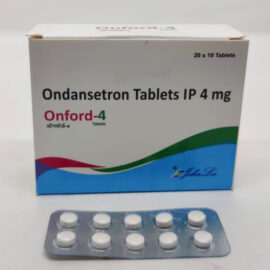

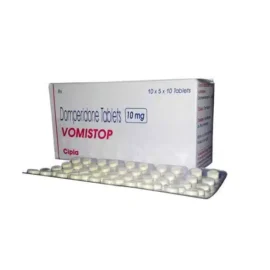

| Sterkte | 1 mg |
|---|---|
| Hoeveelheid | 28 Tablet/s, 56 Tablet/s, 84 Tablet/s |
| Farmaceutische vorm | Tablet/s |
| Fabrikant | Cipla Inc |
| Behandeling | Misselijkheid, braken |
| Generiek merk | Granisetron |
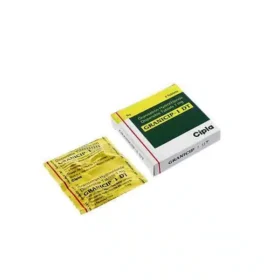 Granicip
Vragen & antwoorden
Granicip
Gerelateerde producten




Beoordelingen
Er zijn nog geen beoordelingen